John McLaughlin wrote:
In addition to the need for a compression check:
1. The temperature warning from the cat indicates some sort of an exhaust
restriction...most likely a collapsed cat. I would think this would cause a
host of problems.
2. Pull the plugs and turn the engine over. If you are badly flooded, gas
will be flushed out of the plug holes. The gas washes away oil at the
seals, compromising what sounds like poor compression even further.
3. ATF [ flooding ] - a couple ounces in each chamber can help start an
engine with poor compression.
4. ATF [ stuck seals ] - many claim an ATF treatment can loosen stuck
seals. The procedure is simple - a few ounces of ATF in each chamber.
Rotate engine a few times over 24 - 48 hours. Warn neighbors about white
smoke before starting engine. Watch car smoke like a brush fire for about 5
minutes. Apologize to neighbors for white smoke and promise not to do
treatment again. [ OPTIONAL - Apologize to Fire Department who arrive
shortly after treatment is complete ]
John McLaughlin
John:
Yes, I got a hot cat temp light just before it died. I had just took it out on the highway and
ran it hard in first and second gear, up to 7000 rpm for about 15 miles. Then drove back, to
the parking lot, and sat and reved it up in neutral to about 6000 rpm for about 5 minutes. All oil,
water temps were just fine. When I let off the gas to let it go to idle it died. It would not restart.
I had it where it would idle on it's own before I left, I had dumped the 2 cycle oil into the full tank
of gas.Then I took it out for a hard drive so it would mix it up good in the tank. I thought, maybe
having both the factory oil injection and the 2 cycle oil in the gas, maybe was producing more
heat in the exhaust or something for the CAT temp light. It just turns over but doesn't seem to fire.
Is there maybe a starting fuse I need to look for?
Rich Gillen
I use two cycle oil and the oil injection pump  in Robins 83 RX7 but that
one may not have a CAT. So far no trouble. The more likely scenario is raw fuel
from the non firing rotor. You may also have done in the CAT by running it
no load at 6000 RPM for 5 minutes. That is a mode of operation I am sure
Mazda did not count on. That is real bad for a piston engine and not too good
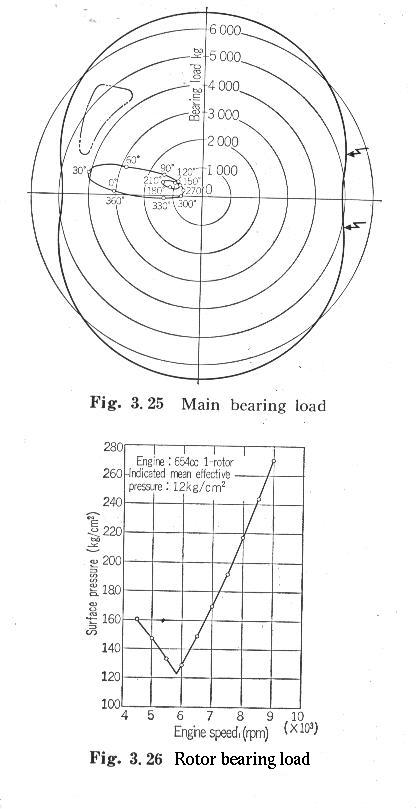
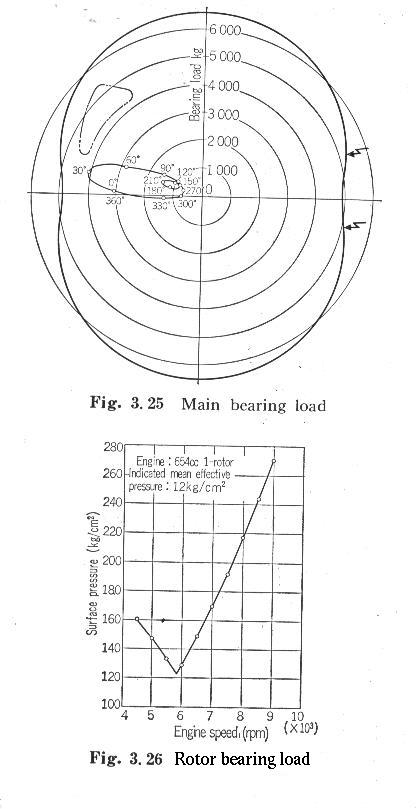
for a rotary either. Under engine load the the rotor bearing load is actually way less
than it is under no engine load at 6000 RPM.

Pull a leading plug and hook it up to check for spark.
Remove a fuel rail and see if the injectors are squirting.

Paul Lamar


The AirCraft Rotary Engine NewsLetter.              Powered by Linux.
ACRE NL web site.
http://home.earthlink.net/~rotaryeng/            http://www.linux.org