Ken Welter wrote:
      <As sent to the coot news letter>
At Arlington air show this year I met Fred Allen and he had trailered
his coot from California to sell it. The port commissioner at my
airport had talked to him about it the week before so I called him.
He said he was in LA and leaving for Tokyo for a week and that Fred
could leave it in his hanger.  Fred dropped it off on the way home
left me the keys and said go take him for a test flight when he gets
home.
The commissioner stopped by the airport when he got back and said
he had jet lag and he would come out in the morning and go flying.
I decided to do a pre flight and try to get familiar with the plane.
As I was sitting in the plane checking the controls there was a snap
and the stick felt different. I looked back and the elevator was no
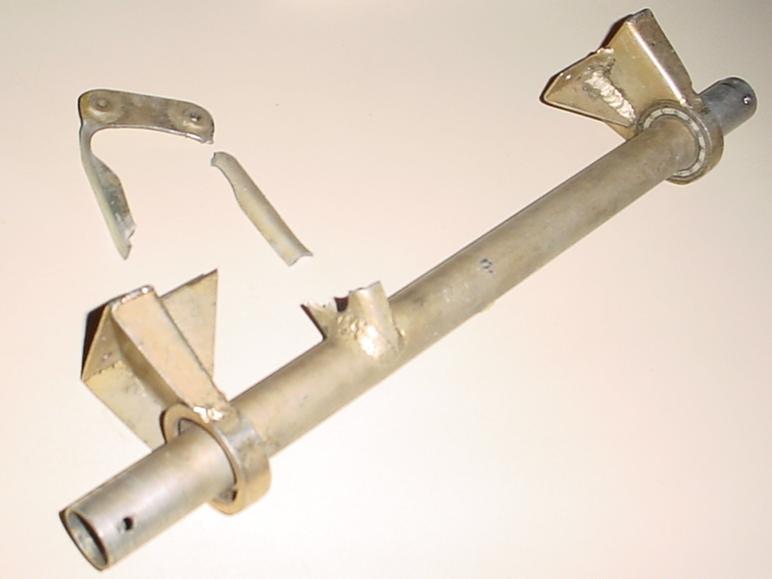
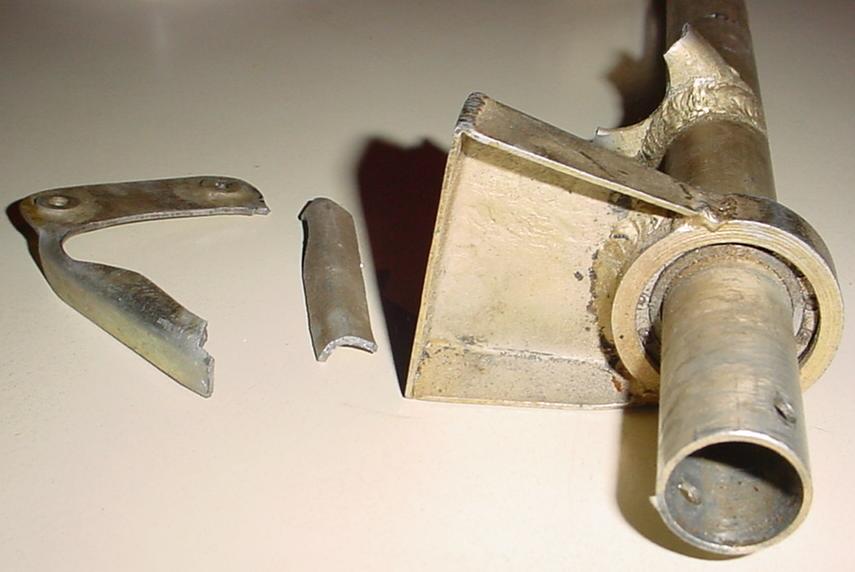
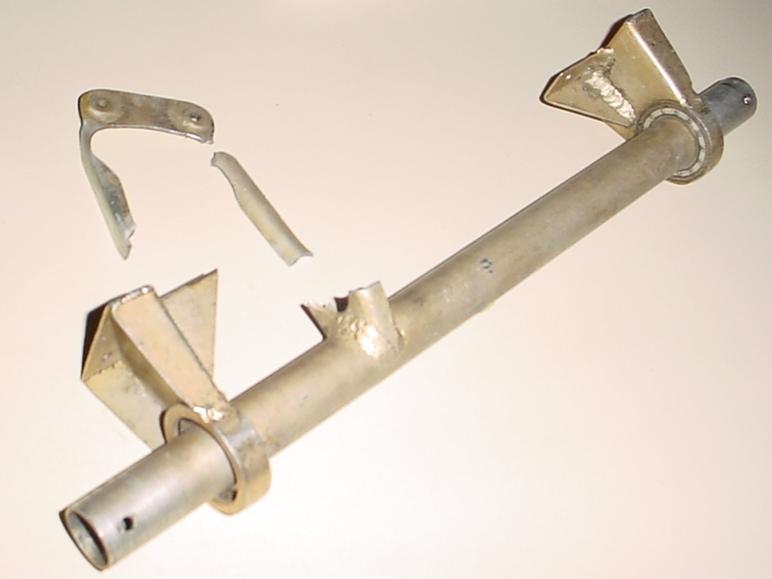
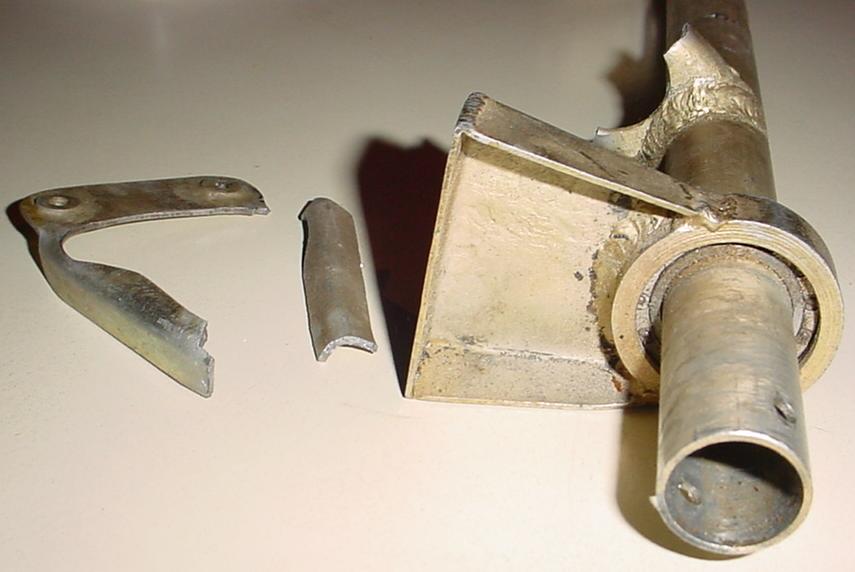
longer connected to the stick. I pulled the floor boards and this bracket
had broke.<refer to photo> Not much scares me in life I like to live
on the edge but this did. I checked it out and found that it had been
cad plated and had a hydrogen embrittlement problem. The problem was
more than just a baking problem it has turned the metal into
something that resembles pot metal. I could take my Swiss army knife and
peal shavings out of it. It was soft and you could bend it as if it were
aluminum yet it is brittle and will snap and break.
I showed it to people that do cad plating and they said it is probable that
their acid content in the pickling solution was off or they left it
in too long. Maybe the quitting bell rang and they went home.
There is no way to know without sending it in and getting it tested.
I see no use in wasting the money to do that as what ever happened
happened and it ruined the metal.

Now here comes the real scarry part this coot was built by Hal Tyler.
Tyler and Art Whitaker and eight other people built thier coots at
the same time. They built all thier parts together and sent them into the
cad plating shop in batches. If they screwed up on these parts how
many other parts did they screw up on.
Fred pulled the engine off this coot and sold it as scrap. A friend of
mine bought this coot and has completely disassembled it and it
replacing all the 4130 parts. As for the other nine coots out there
if you were in this group you know who you are.  If you bought a
project or a flying bird look closely at this photo and you will
notice that it is very different than the plans call for. The
bearings are ball bearings and the mounting for the control stick has
been changed so that you can slide the ball bearing over the shaft
and from what I can gather all the controls were made this way.
   Now before this I did not like cad plating because of the hydrogen
embrittlement however after I have researched it and talked to people
I am sold on it and I am going to plate the parts on my new Coot. But
you must go to a shop that does certified aircraft plating and tell
them it is for aircraft. A good way to find one is to go to a prop
shop and ask who plates thier parts.
   One last note and that is no blame can be put on the people that
built these coots.  They took thier parts to cad shop so they would
have a better airplane. It is the cad shop that screwed up.
Ken Welter
Powder coat parts. It is safer. If you don't like powder coat
(some worry that it hides cracks) paint them with epoxy paint.

Paul Lamar

The AirCraft Rotary Engine NewsLetter.              Powered by Linux.
ACRE NL web site.
http://home.earthlink.net/~rotaryeng/            http://www.linux.org