It sort of works. Tracy complains about the oil temp getting too high
when we climb for too long or make some top speed runs. Tracy lives in
flat country. It is never necessary to climb out at max angle. In fact
it is rarely necessary to climb over 500 feet but he does it slowly
anyway when he goes on a long cross country.

With one simple cowl flap down under the engine I think it would work
a lot better and he could make those inlet holes a lot smaller. Tracy
is not convinced. He was mumbling something about getting the air
warmer by keeping it in the AC core longer or something like that.
:-)> He also does not think those big inlet holes are hurting him on
drag either. His argument there is external diffusion. Top speed is
about 205 MPH but I think with some cooling drag improvements it might
reach 215 MPH with the same power. We have sort of agreed to disagree
:-) I left the water manometer with him and I hope he finds time to
make some improvements and do some more tests.

BTW the water manometer could measure the flow through the
rad if you set up some pito tubes in back of the rads.

Paul Lamar
Paul,
I fully understand and agree on the need for cowl flaps.  However, based on our
discussions of last year I agree with Tracy that external diffusion minimizes drag
penalties of the larger cooling air intake openings.  Didn't Bill Freeman convince all
of us last year?  What did I miss?  I realize that several guys (Dave Anders,
LoPresti, etc)  have reported significant speed gains after decreasing the size of the
cowling openings, but I thought that they were decreasing the amount of air going
thru the engine (hence, cooling drag), and that the smaller openings did nothing by
themselves.  I'm way beyond my personal knowledge base, please educate me!

Ken Powell
External diffusion causes less drag than what one might expect by looking
at the big opening but it is still better to use a smaller hole.
A WW I aircraft with flat rad stuck in front of the engine is an extreme
example.

In the late years of the radial engine airplane the cooling drag was lowered
by extending the prop shaft and crankcase, tapering the cowl and using
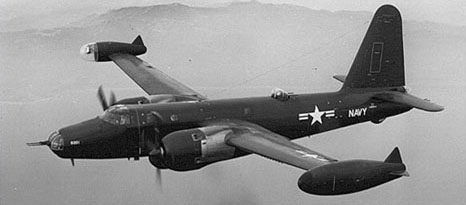
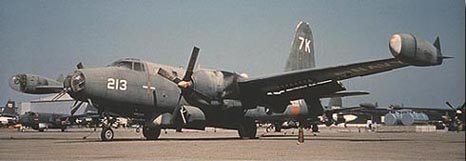
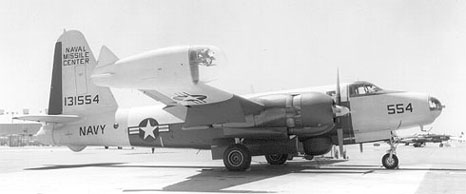
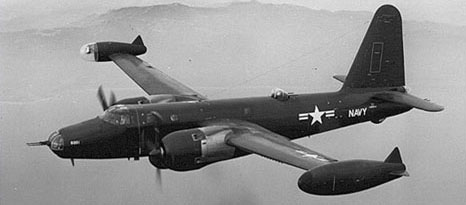
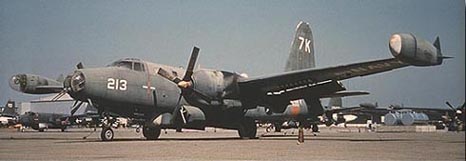
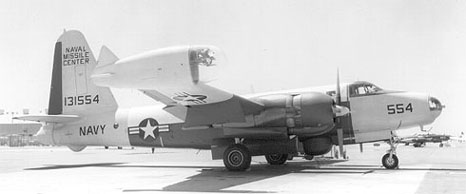
a smaller hole. The P2V was one of the last radial engine airplanes
designed and if you look closely at these pictures you can see the tapered
cowl with the small cooling air inlets. Contrast this with the
blunt cowl and large opening of a Corsair that relied almost totally
on external diffusion to reduce the cooling drag. Until the Rutan Voyager
went around the world un refueled the P2V held the un refueled distance
record by flying from Australia to Ohio non stop using the R3350 TC
turbo compound engine.

Having said all that you will still get lower cooling drag yet by closing
the flaps and reducing the internal flow with some external diffusion
when the internal flow is not needed to cool the engine.

Paul Lamar

The AirCraft Rotary Engine NewsLetter.              Powered by Linux.
ACRE NL web site.
http://home.earthlink.net/~rotaryeng/            http://www.linux.org