There has been some concern about the drag of
the louver type cowl flaps.

I made few calcs to put that into perspective.

When they are closed there is no drag difference. When you need
them open at climb speeds aero drag does not matter. So much HP is used
just to lift the airplane.  1500 pounds at 1500 fpm is 25 fps
which is 37,500 pound feet per second. 68 HP net out of the prop.
70% prop efficiency... 100 HP out of the engine. Just to
lift the airplane at 1500 FPM not counting aero drag.
Same calculations are used to size the motors that raise
elevators.

At 100 MPH aero drag is 25% of what it is at 200 MPH.
Aero drag at 200 MPH with a 190 HP engine 80% prop eff. is
83,600 pound foot per second.  83,600/293 = 285 pounds
drag at 200 MPH.

At 100 MPH:
25% of 285 = 71 pounds aero drag or 147 FPS or
19 HP out of the prop or only 27 HP out of the
engine. There is some additional induced drag due to
lift at 100 MPH which makes up the HP difference.

Don't worry about the drag of the open louvers.

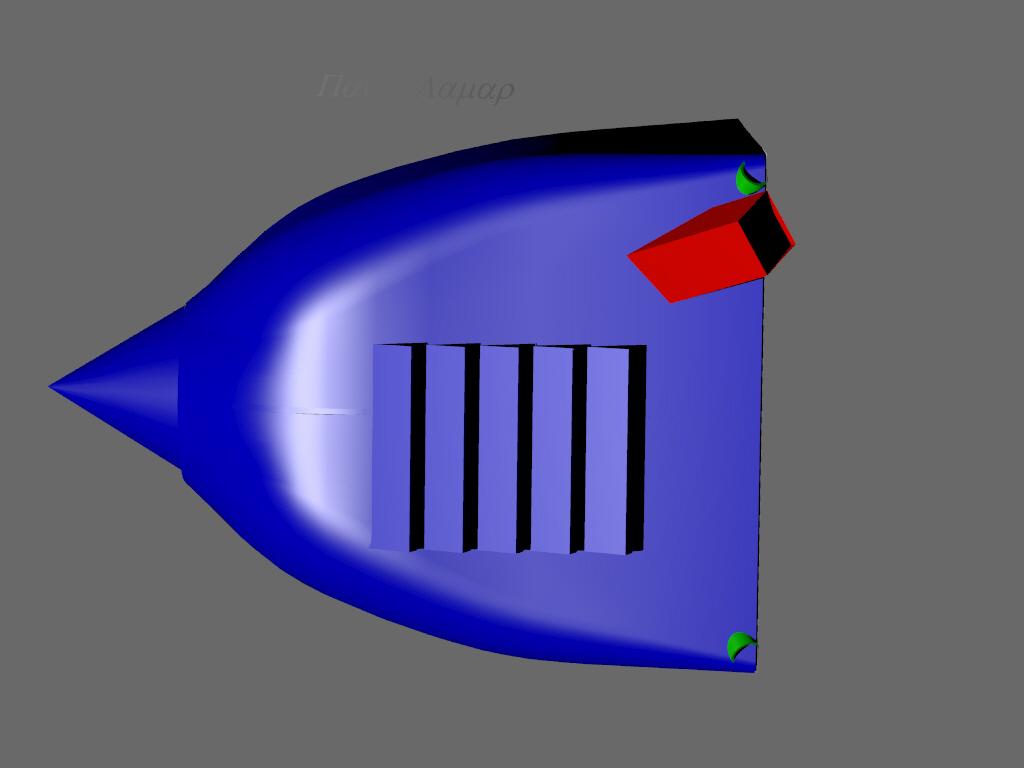
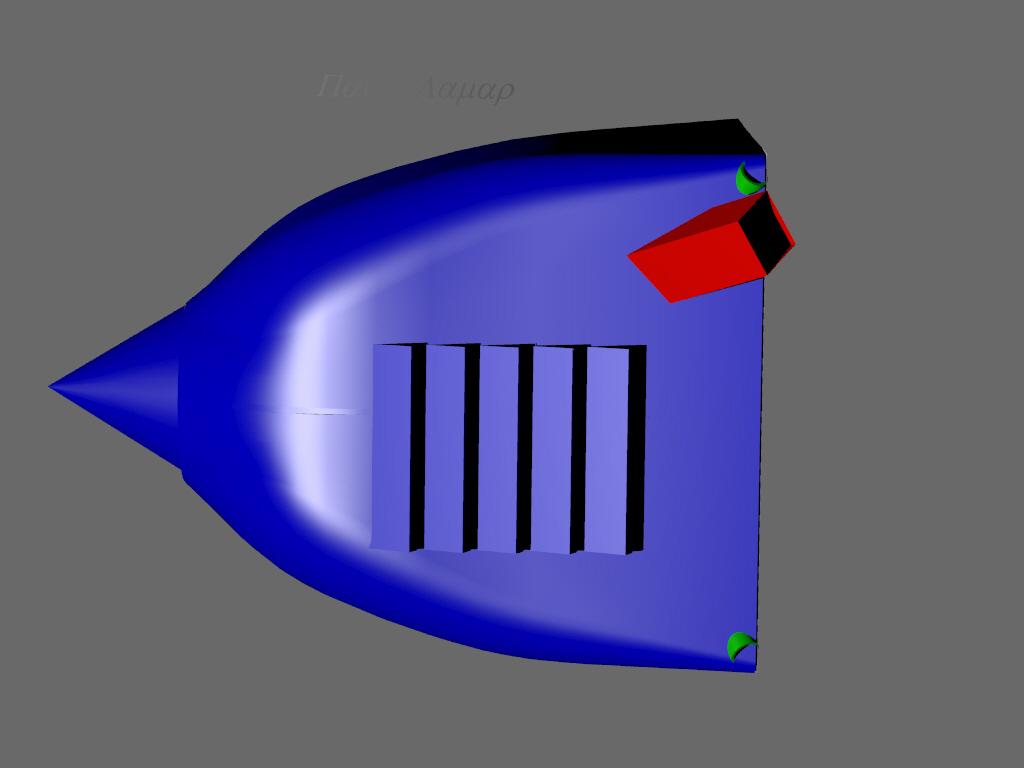
There is room for an adjusting mechanism. Connect them all together
at the tops on one side and use a push pull cable.
Same as the glass venetian blinds in a window or door.

Also  don't be concerned with the size of the rad opening.
The Corsair had a huge cooling opening yet was one of the fastest
airplanes in WW II. They tried a large spinner but the airplane was
no faster.  The secret was the huge cowl flaps. When you
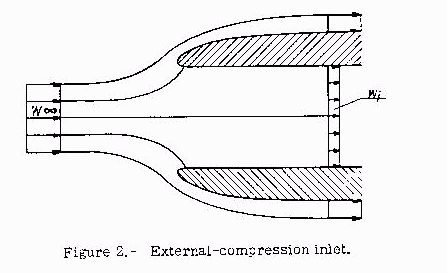
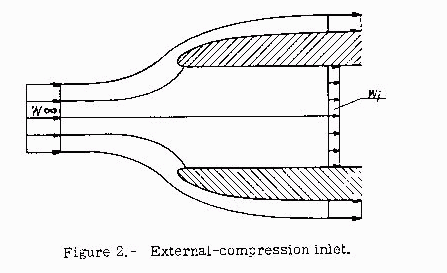
close the cowl flaps a phenomenon called external diffusion takes
over. What this means is the pressure behind the rad builds up
and that is carried all the way through the rad, up the duct and
to the air inlet opening. That pressure causes the air in the front of
the airplane to self stream line so to speak and flow around
the opening reducing drag.

Paul Lamar

The AirCraft Rotary Engine NewsLetter.  Powered by Linux.
ACRE NL web site. http://home.earthlink.net/~rotaryeng/
Copyright 1998-2002 All world wide rights reserved.