Tracy, During the time I worked for Kawasaki, (early 70s to 80s) there was a tremendous change in
the style of ignitions used on two cycles. The real culprit was sealing the engines and making
them pump better, but that is another story. Early ignitions were CDI using a power hungry DC to
DC step up converter to charge the capacitor. Single spark system was used with "surface gap"
spark plugs. The ceramic insulator and shell were the same depth the electrode was a bulls eye in
the center. The reasoning was the CDI could fire through anything and wouldn't foul. WRONG!
The
problem found by many was the carbon would build up and a track would form, the spark would follow
the track and not fire the mixture. Conventional plugs with a LARGE gap were then tried, and even
with a .075 in gap they would build a carbon whisker from electrode to side wire, same problem.
The solution was better oiling and cylinder sealing, they then used an electronic ignition, (not
CDI) with greater success. The problem seen with high levels of TEL in 100LL is lead trace fouling
the same problem we saw in early CDI. Yamaha racing department had an advisory on using 100LL in
the race engines mentioning the problem of lead fouling. If you run a low compression engine with
a rich mixture of 100LL you will have tracking fouling or whisker fouling unless you run real hot
plugs. Even then you can have problems. By 1975 several Japanese manufacturers were recommending
ELF unleaded race gas for their two cycles. High octane with less fouling resulted. I hope we see
100 unleaded some time soon.
Bill Jepson
Bill, several things. In those years multiple spark capacitor discharge
ignitions systems had not been invented yet to my knowledge.

Unlike an aircraft engine a motor cycle needs good torque at
low speeds so a conventional transistor inductive ignition system
would give more power and better torque at RPM's less than 3000
than a single spark CD system would. Also things have changed in the
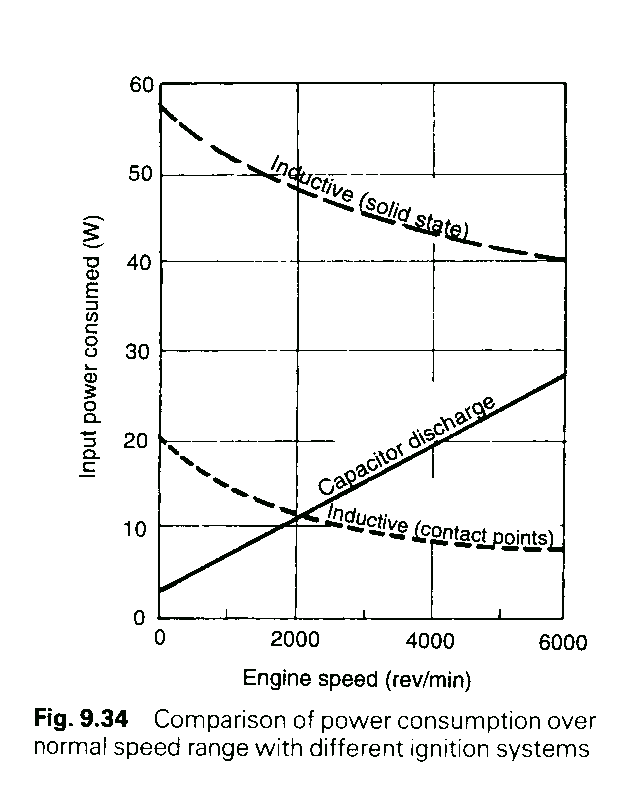
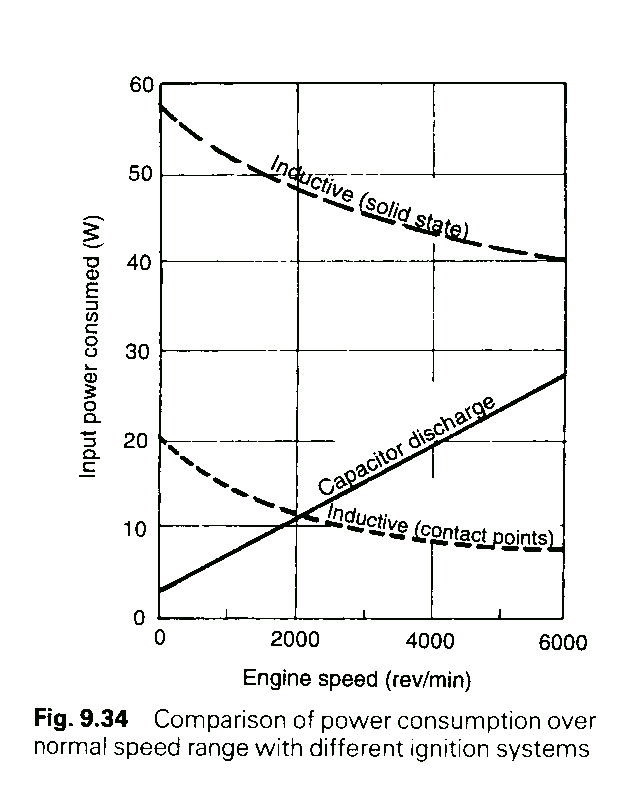
DC to DC converter electronic world and new CD systems draw much
less power (current) than inductive systems. See the Heinz Heisler
"Advanced Engine Technology" book power consumption chart below.

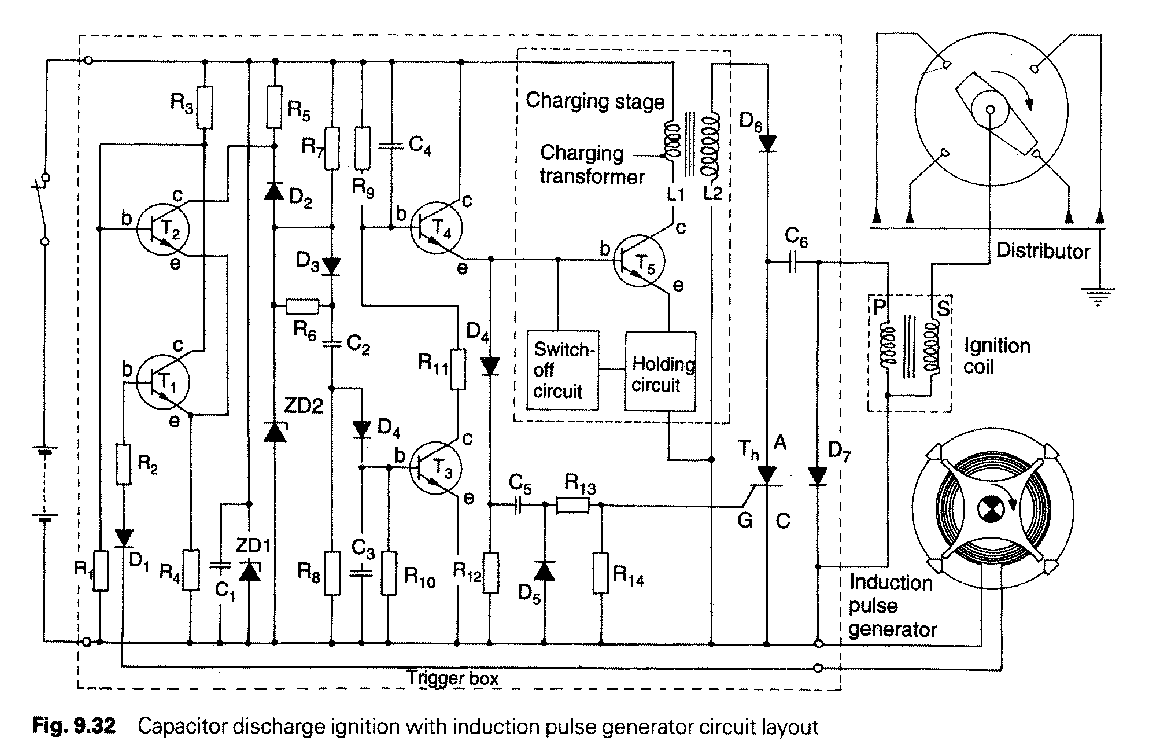
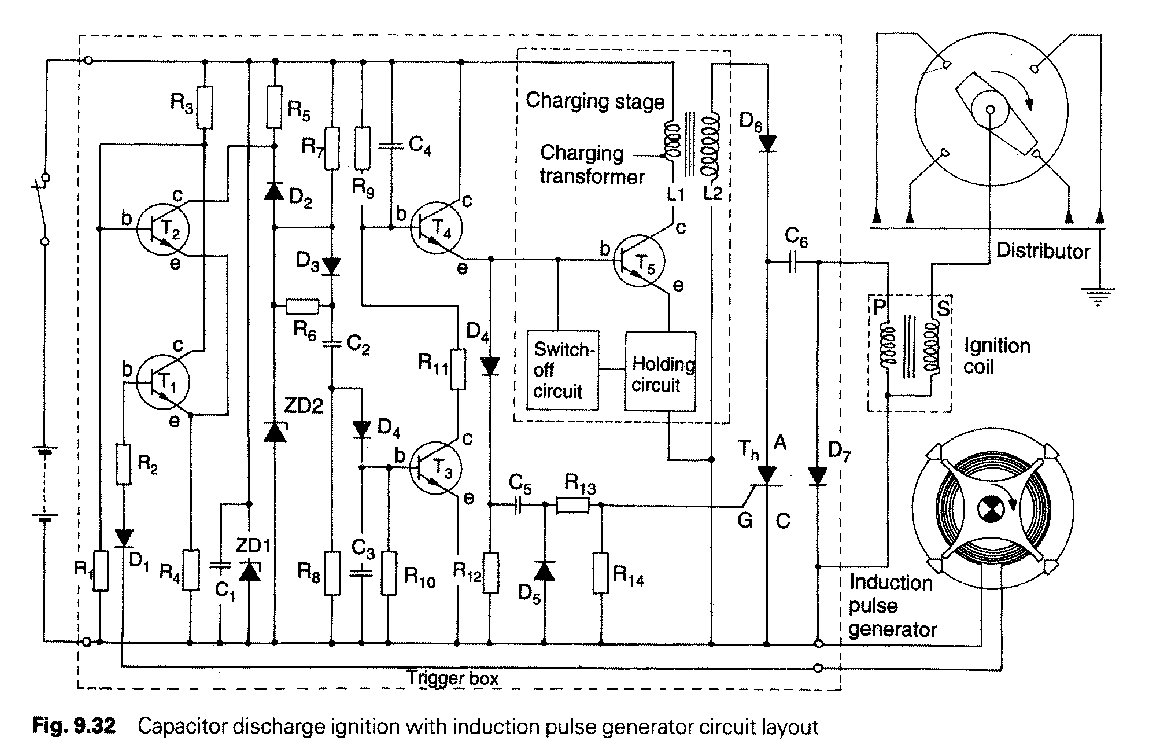
The neat thing about Heinz Heisler in this case is he backs up this
electronic statement with a schematic. Here it is.

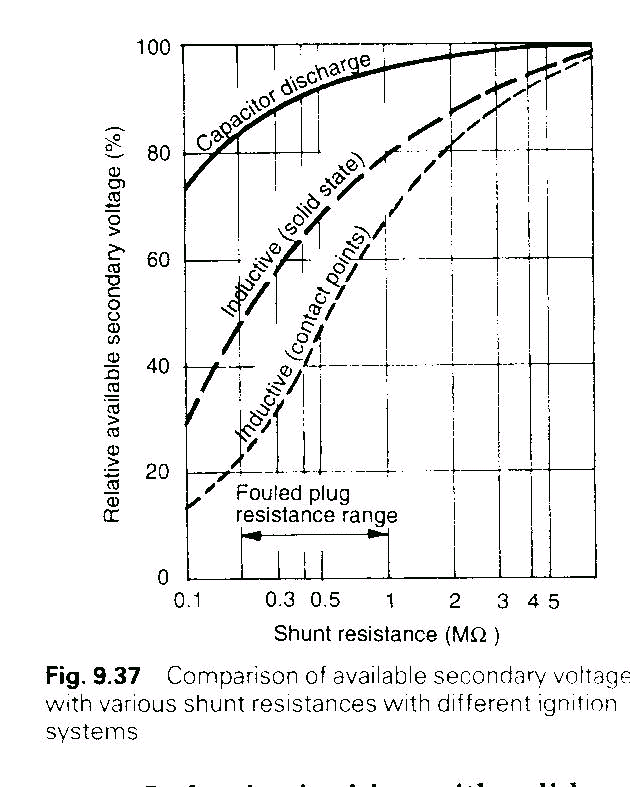
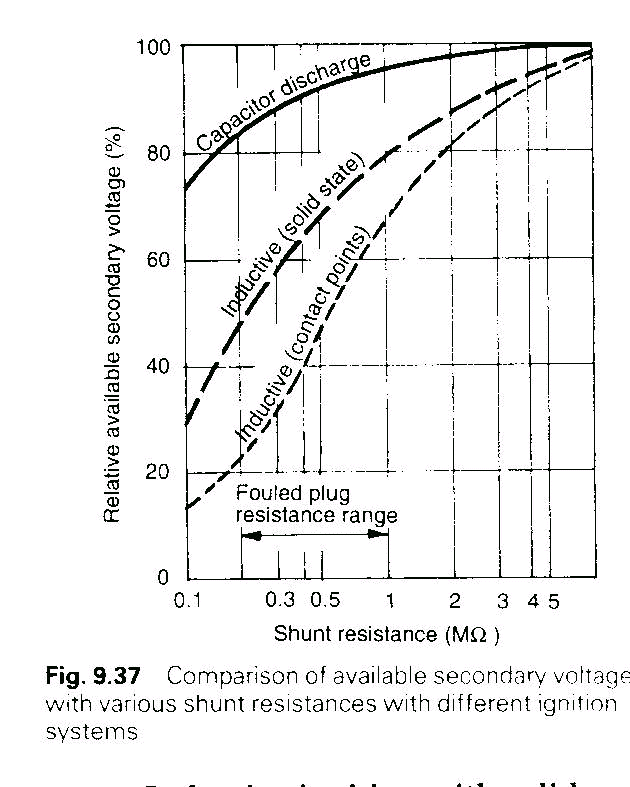
The CD system does indeed fire better through fouled spark plugs
but true, they will not fire through anything. Surface gap spark plugs
and the deposits formed on them are another entirely different
issue. As far as I know we cannot get surface gap spark plugs
for the rotary.

Here again is H. Heisler chart on spark plug fouling.
It clearly shows that CD ignition systems fire fouled
spark plugs better than inductive systems. This also
confirms my findings as far back as the early 1960's
on automobiles running leaded gas as that is all we
had in those days.

I checked with the Summit racing catalog and the vast majority
of ignition systems now sold are of the multiple spark capacitor
discharge variety. To my knowledge they are also now widely
used on two cycle outboard motors. I am not saying we would
necessary need multiple spark but it would help getting
our engines started and could be shut off at high RPM where
we do not need it.... To save battery current.

No such power saving possibility exist with an inductive system
as the pulse width is more or less constant until the coil
does not have enough time to saturate. That means even
though the inductive system loses voltage at high
RPMs much of the current is wasted as spark is still
occurring after the mixture is ignited. In other words
combustion is finished less than about 5 milliseconds
starting around 3000 RPM. If my arithmetic is right.

Paul Lamar

The AirCraft Rotary Engine NewsLetter.  Powered by Linux.
ACRE NL web site. http://home.earthlink.net/~rotaryeng/
Copyright 1998-2002 All world wide rights reserved.