Don Dunbar wrote:
Hi Paul,
It has been some time since my last communication, I have been busy with
work and have put in many hour to complete my engine mounts.
I have followed the news letter on Finn's problems and have my own opion
to the end result.
I have attached photos of my mount construction for all to view and
comment.
The rubber bushing's that I have used have a higher operating temp than
the Barry natual rubber mounts.
I believe that Finns problems with his mounts are as per what you have
said that they are not designed to be used in the method he has used
them.
There are manufactures guidlines for the tension and compresion for
these mounts and with heat and the method that Finn has used them
will generate more heat and wear the bushing out fast.
There are other bushings availiable with a range of operating temp's
from 80c to 200c, this is the operating temp's not the melting piont of the
bushings.
Regards Don Dunbar
Looks good Don. Looks like you picked up more than just six pan bolts.
How many were you able to pick up? I assume it clears the stock
91 turbo.

Barry does not make natural rubber anymore as far as I can tell.
Natural rubber is still used in a lot of conical aircraft motor mounts
that I have seen. Natural rubber is 180 F. Barry now uses neoprene
which has a temp limit of 200 F. Barry can supply silicone on
special order with a temp limit of 500 F. Chuck Dunlap made
his own rubber mounts using cut washers out of silicone sheet
rubber glued together with red RTV. How are they working Chuck?

Paul Lamar
Dan Ruggirello wrote:
Is this a typical Schertz beam mount?  My initial thought is that under
vibration, much of the vibration load will be reacted by the upper engine
mount because there isn't a rubber mount there (that I see) and would
therefore be a stiff load path.  It may also be the primary vibration load
path after the two rubber mounts below begin "isolating" some vibration
load. If the upper mount gets loaded, the bracket would be my primary
concern (as well as whatever supports the center strut behind the firewall.
My assumption is that the elastomer mounts are soft in radial and axial
directions.  Is this true?  From a practical viewpoint, a well balanced
engine has low vibration, but what if it is poorly balanced and the prop is
also poorly balanced?  Or what if you lose a piece of your prop?  I would
want some added margin of safety in the mount under this situation.  Even
with low system vibration, what if you dwell on the natural frequency of the
stystem?  Another concern would be when you are climbing or descending and
your prop has more of a bite above or below.  This condition may induce
vibration that may "rock" the engine about the Schertz beam, and load the
upper mount.

My gut feel is that the static and dynamic load path depends primarily on
the stiffness of the two elastomer mounts and the stiffness of the angle
bracket of the top mount (the bracket has some flexibility).

I would be inclined to put an elastomer mount on the upper attach point and
maybe put an agle gusset on that aluminum(?) angle bracket to remove the
bracket flexibility.

Dan Ruggirello
I am sure Don intends putting a rubber bushing in the upper mount.
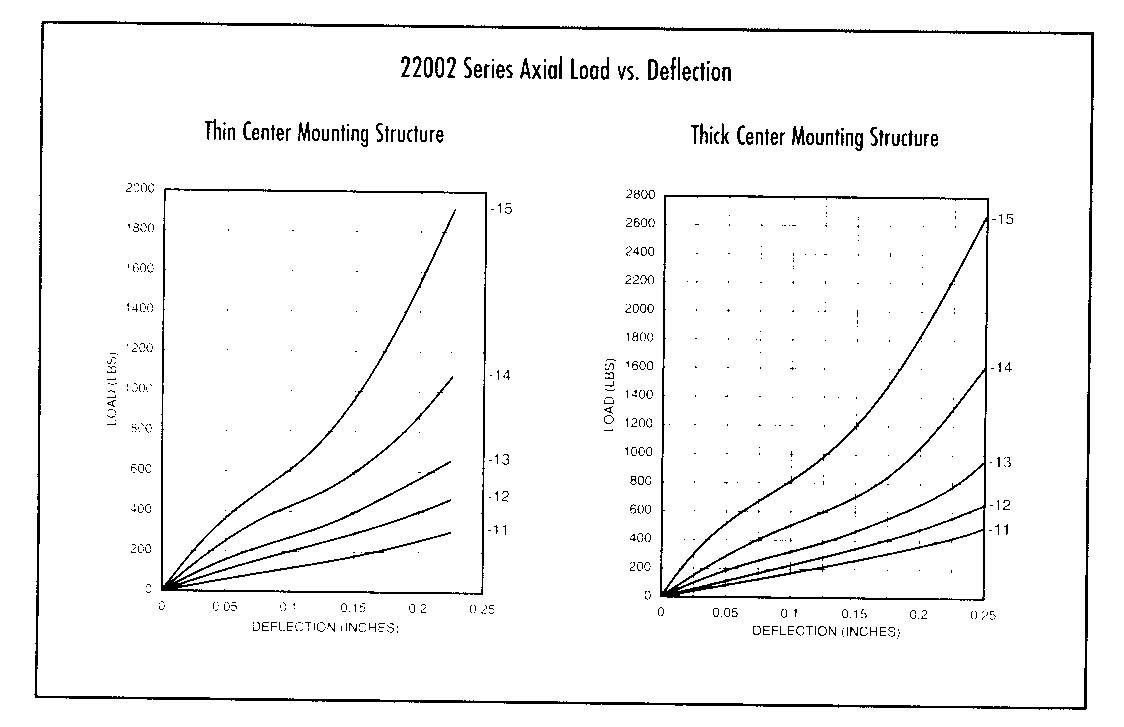
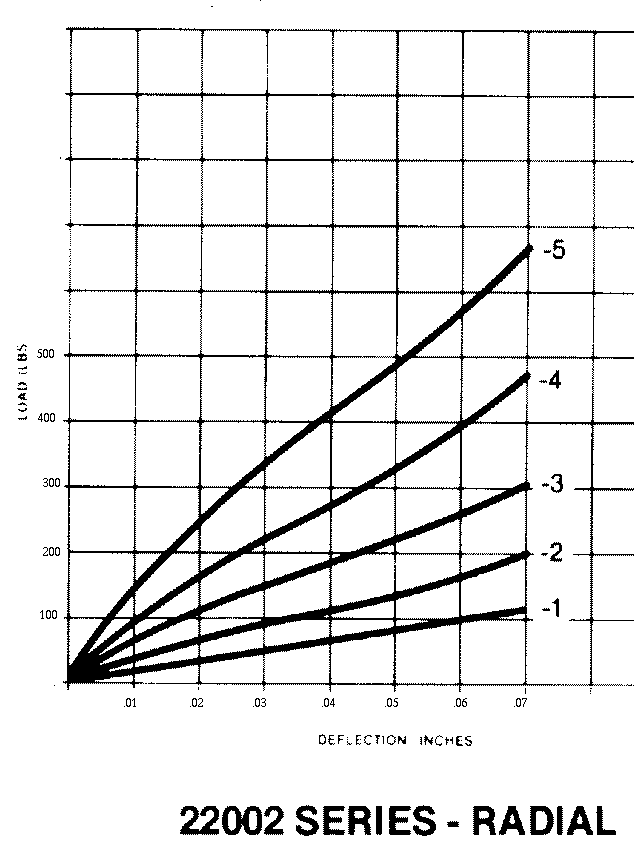
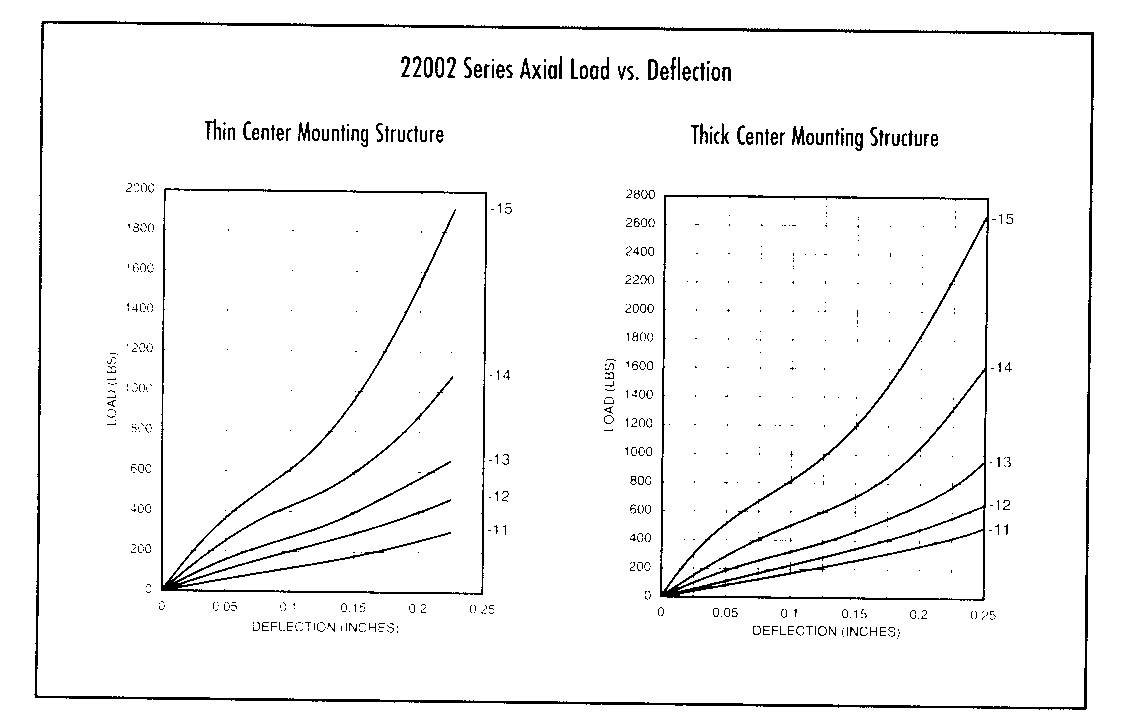
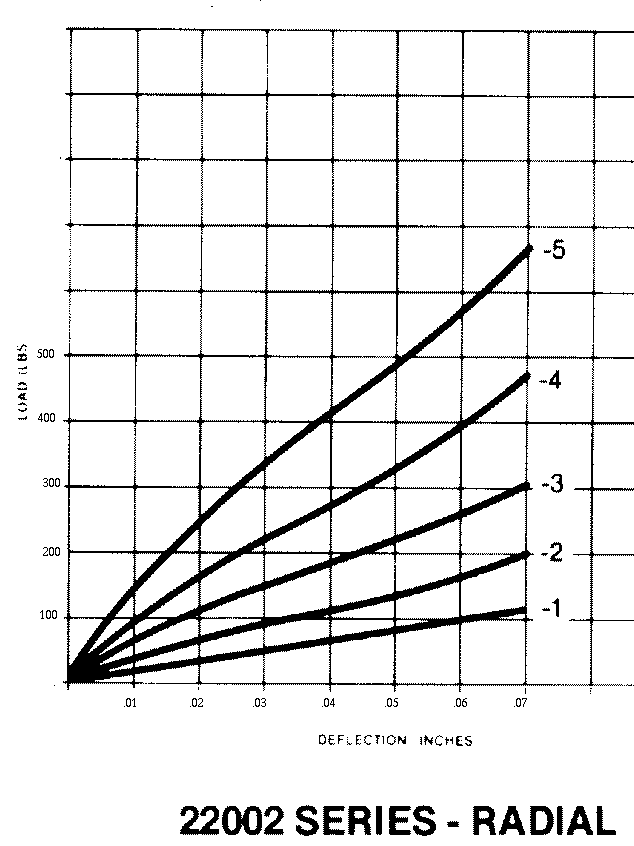
I have the specs for Barry mounts Dan but Don is using something else
available in Perth OZ that is similar. Here they are.

Paul Lamar

The AirCraft Rotary Engine NewsLetter.  Powered by Linux.
ACRE NL web site. http://home.earthlink.net/~rotaryeng/
Copyright 1998-2002 All world wide rights reserved.