Ed Anderson wrote:
Hi Paul,

    You asked about the new inlet duct modification.  I mispoke - its more
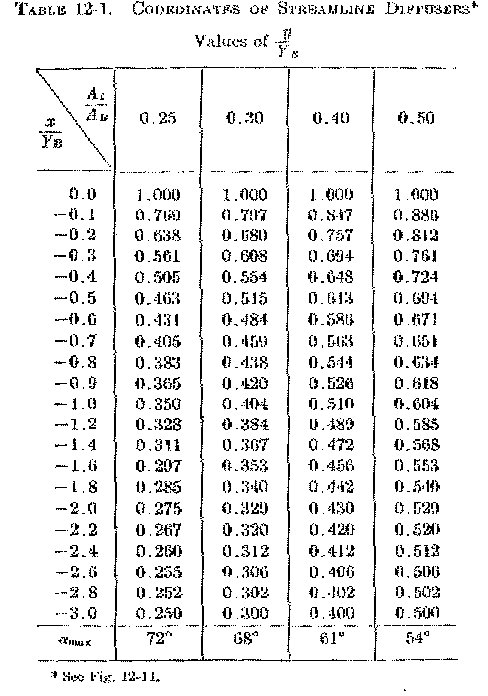
like 15-20deg/inch rather than 7.  I attached my excel spreadsheet where I
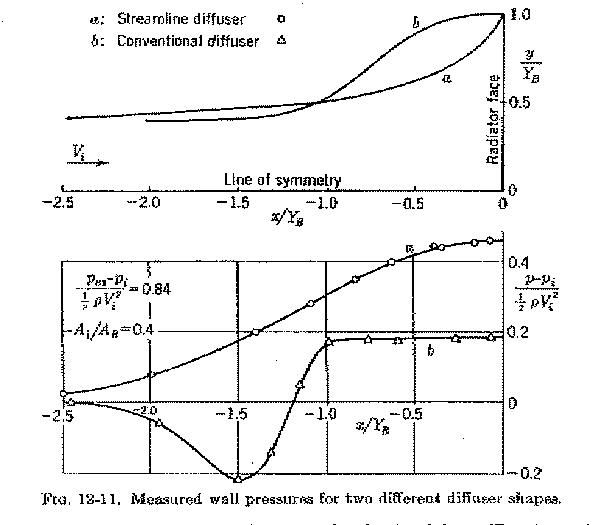
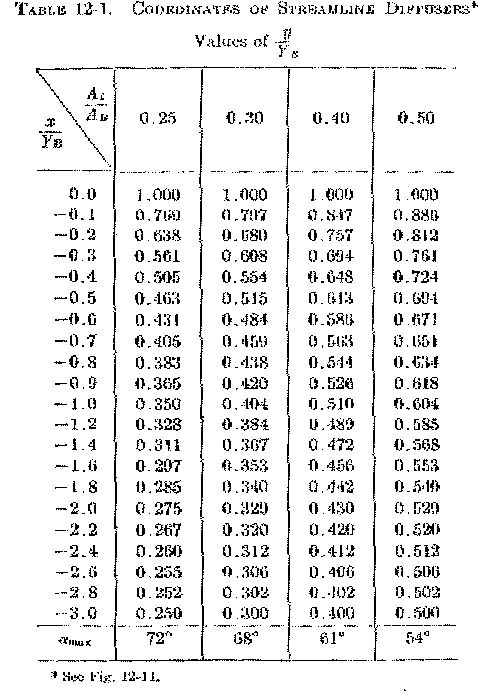
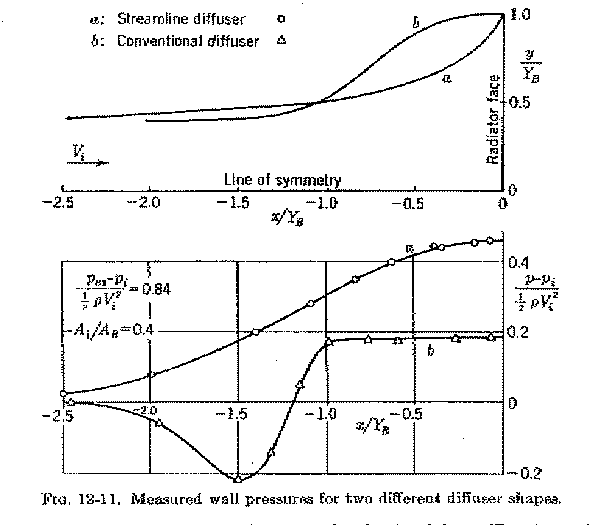
attempted to use the "a" (alpha curve) for a streamline diffuser (I believe
you provided the figure I pasted into spreadsheet)  adjusted to fit the
fiberglass ducts I had.    I suspect that while the more gradual curves will
probably help the flow that I might have been overly zealous in reducing the
inlet opening size as much as I did. But I can open it up as required.  Not
a perfect fit to the theoretical by any means, but probably better than the
bowl shaped inlet I had previous - first flight will tell.

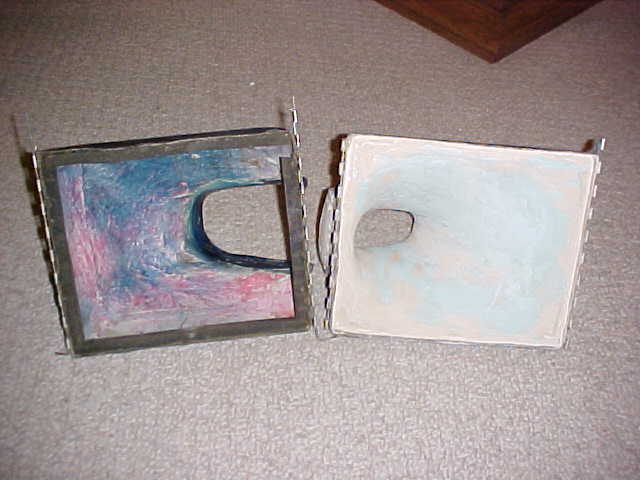
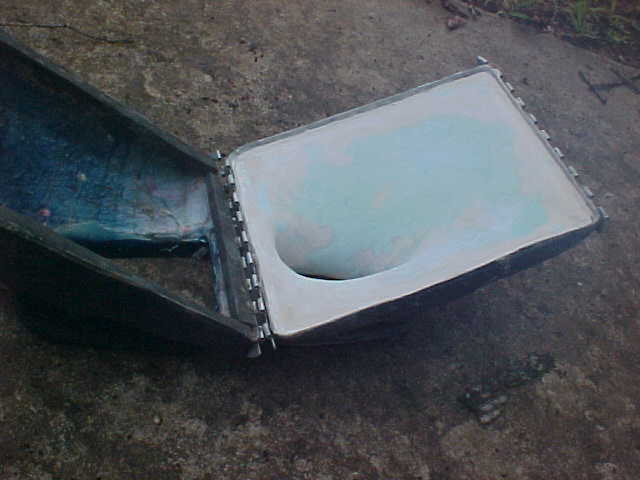
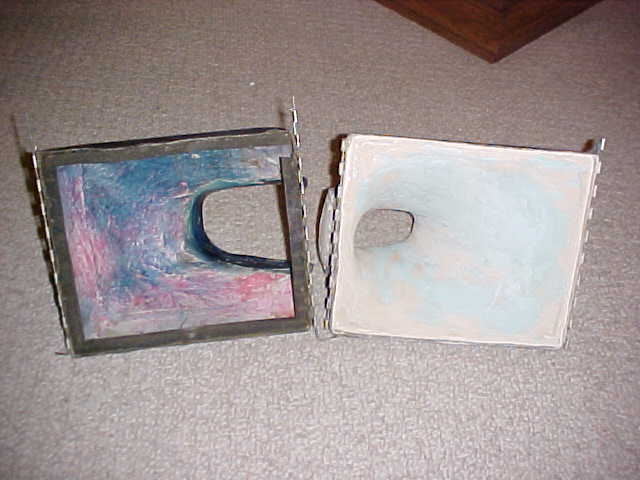
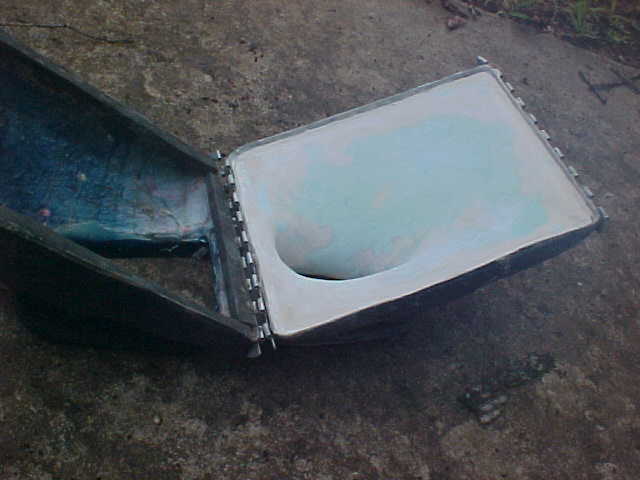
Here are a couple of photos that may help, although the curve from inlet to
radiator doesn't show up all that well due to last of contrast/reference
point.  Guess I should have held a straight ruler or something agains the
fuct to show it.

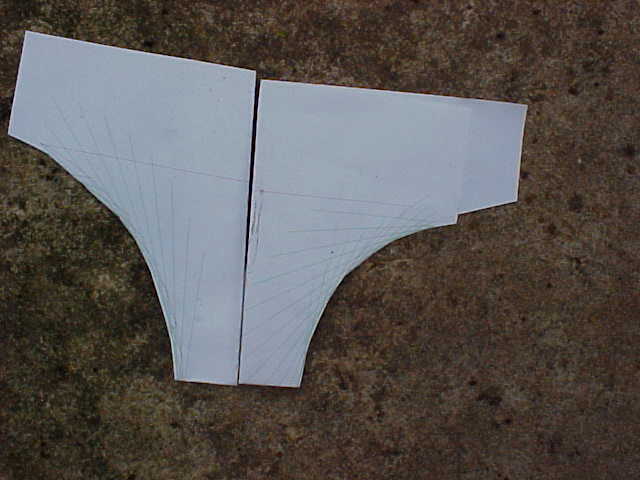
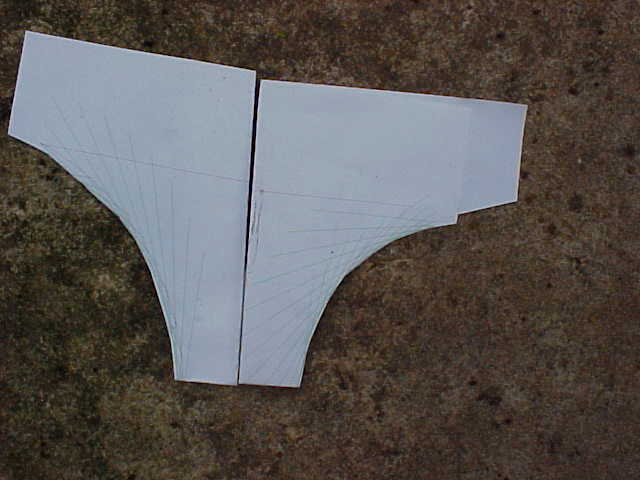
 I first filled the duct with the liquid expanding foam, then shaped and
added some lightweight filler to smooth the surface. I used the paper
templates (Mvc33)to try to stay as close to the spreadsheet curves as I
could.

Ed
I used to think that was the way to go but now, if you notice, the
length of the K&M diffuser needs to be 2.5 times the height of the rad
to prevent separation.

Lets say your rad is 10 inches high. Obviously you don't have 25 inches
in length to work with. It is possible however if you opened up the inlet
area to a larger percentage of the core area (from 25% say to 50%)
you could use a shorter K&M diffuser with out separation. You have closed
it down which seems a bit odd and opposite to what might work:)
I guess we shall see.

In any event I think you are better off with a cowl flap as closing the
cowl flap will build back pressure in the duct and cause external diffusion
thereby automatically streamlining the inlet externally.

On the other hand the Kays & London simple wedge shaped diffuser requires
no more length than the rad lying on its side. I now think this
is the best approach as it uses a minimum of under cowl volume or space.

Paul Lamar

The AirCraft Rotary Engine NewsLetter.  Powered by Linux.
ACRE NL web site. http://home.earthlink.net/~rotaryeng/
Copyright 1998-2003 All world wide rights reserved.