wadebush wrote:
On the subject of hanging the radiator on the belly exposed to in the wind-

Why not hang the radiator in a snug fitting, straight through, open ended
duct or scoop, ball bearing hinge the radiator on the sides at or near the
top, provide some predetermined amount of spring or bungee resistance so its
not flapping all the time, and allow the force of the air moving through the
duct to raise or lower it as air speed increases and decreases. Spring or
bungee resistance can determine the amount of flat plate frontal area that
is exposed and how much air by passes and exits the rear of the duct/scoop.
A rotational stop can be positioned to prevent the radiator from rotating
completely out of the air stream. With greater speed the force of the air
will push it up and further out of the way. This way the radiator acts as
its own "cowling" flap providing max frontal area for low/slow and less
frontal area for faster flying. Less exposed frontal area means less drag.
OK, you can attack now, I've said it.

Wade
Interesting idea Wade.

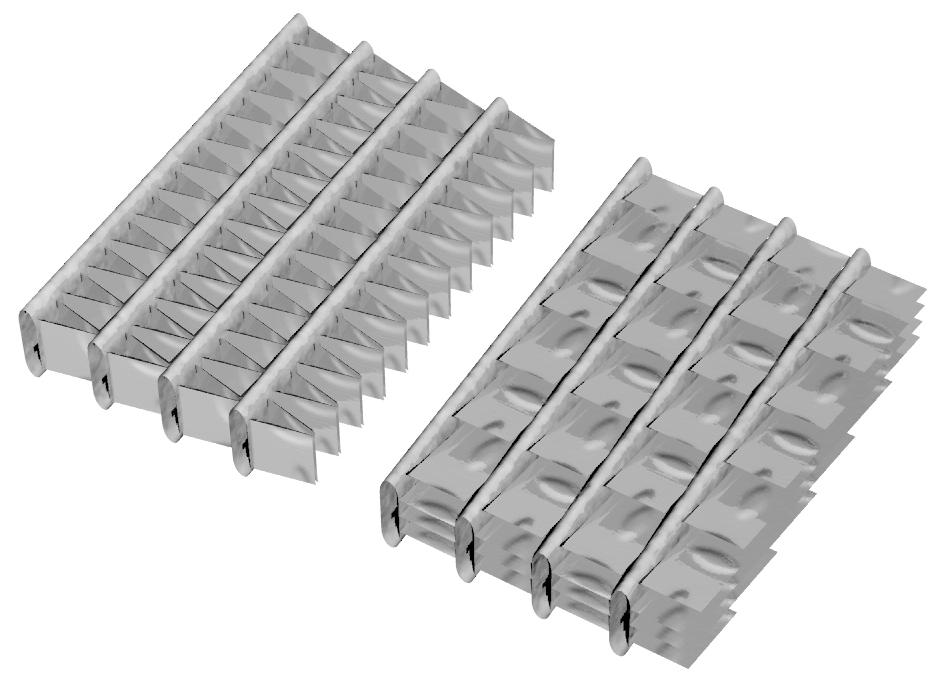
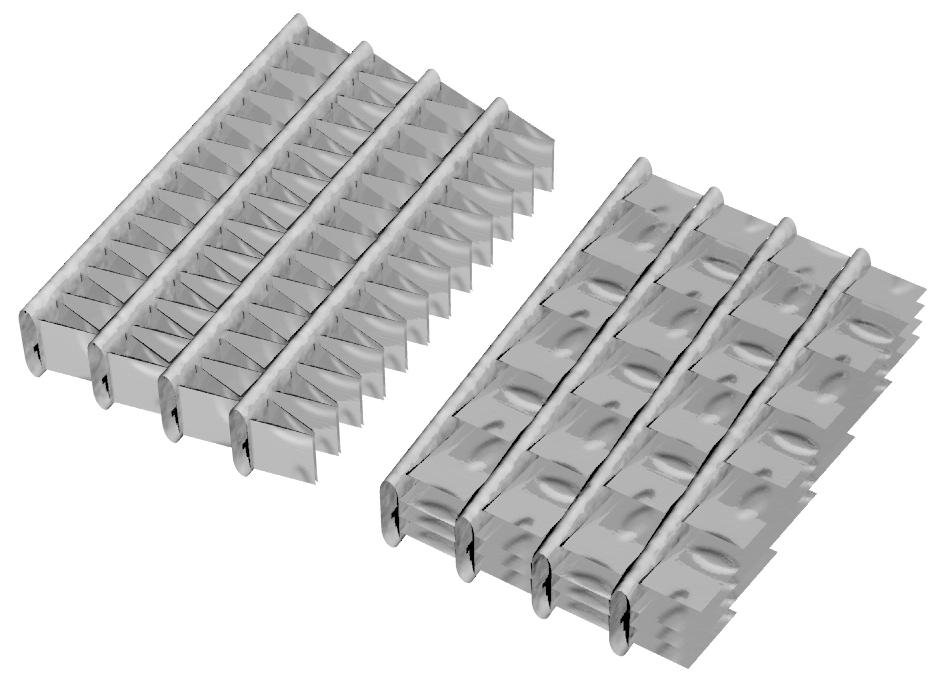
BTW we are going to need to take some new data on
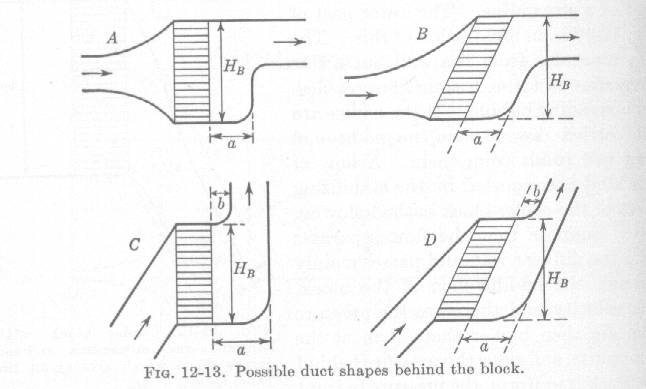
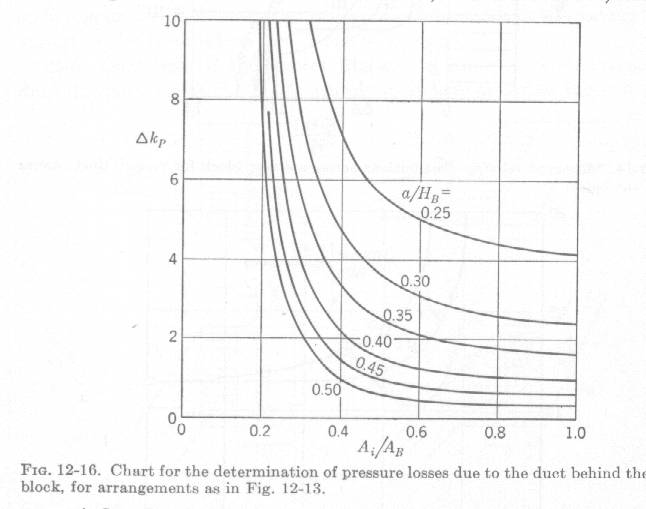
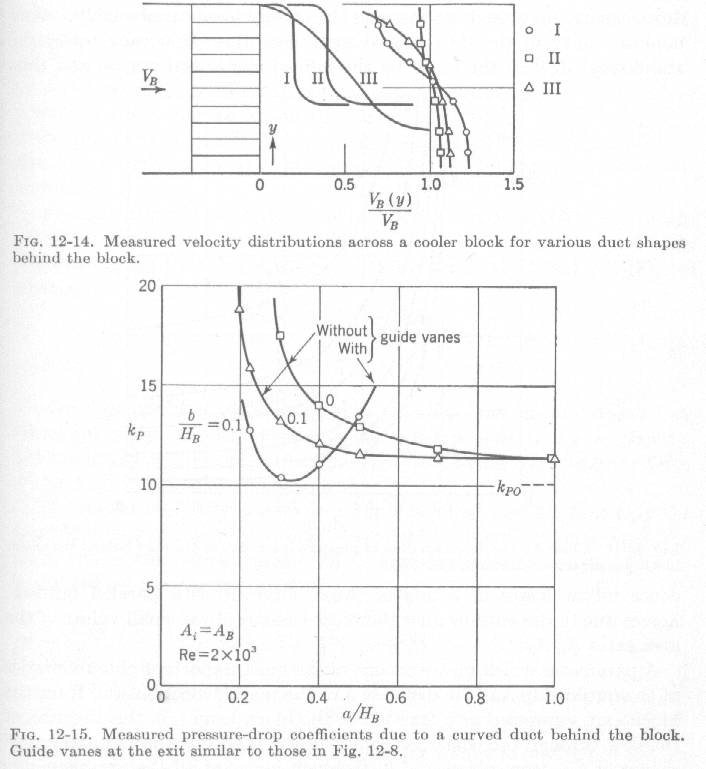
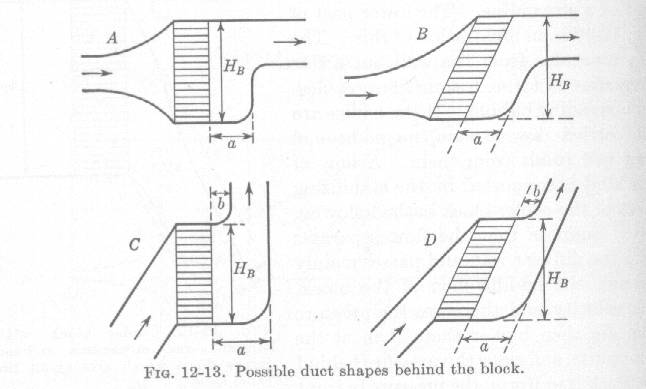
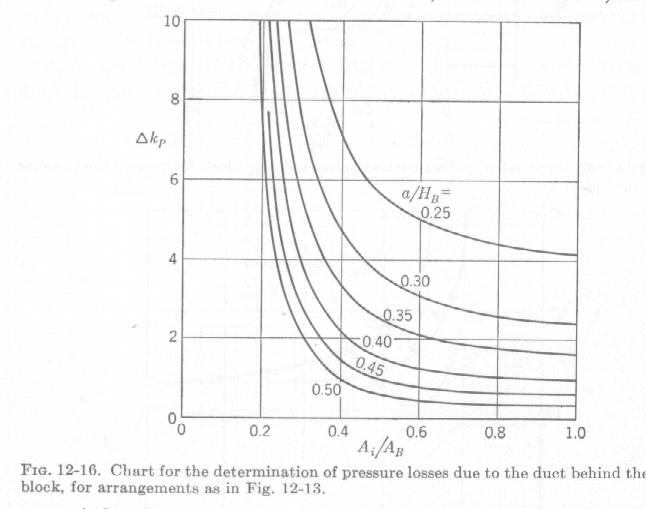
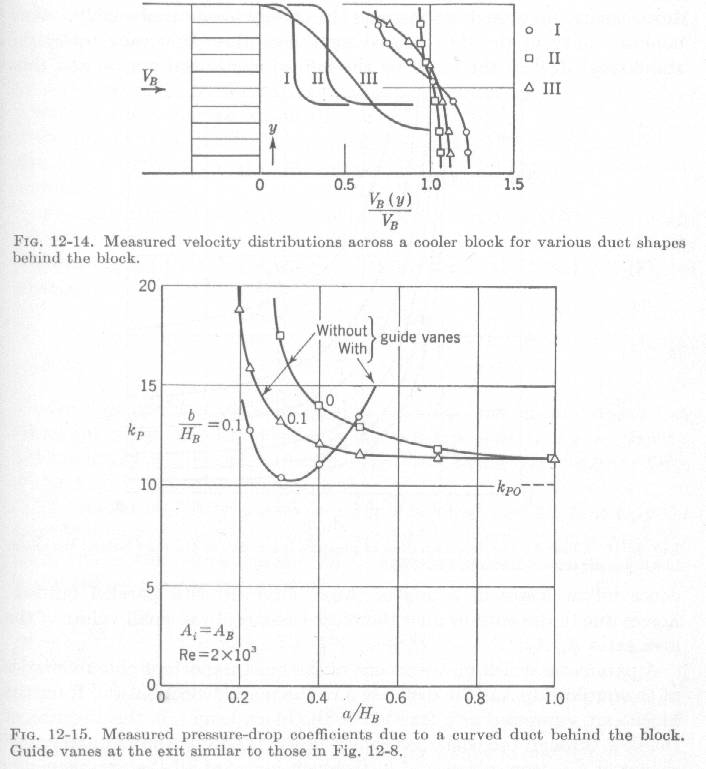
the effect on the air flow  of solid surfaces adjacent to the back side of the
rad if we do a custom oblique fin version as shown in this 3D.

I suspect the data taken by Kuchemann & Webber on this subject was
done on a traditional core with the fins at a right angles to the
tubes. the oblique fin version may be less sensitive to adjacent
parallel surfaces. That would make it easier to enclose the rad in
a duct as suggested by Wade above.

Paul Lamar

The AirCraft Rotary Engine NewsLetter.  Powered by Linux.
ACRE NL web site. http://home.earthlink.net/~rotaryeng/
Copyright 1998-2003 All world wide rights reserved.