Paul,
Can you build an accurate computer model on a Cray along with you're 3D so
we can find out how this "brilliant" new approach works rather just than how
it will look? Theories and 3D diagrams don't help much till someone proves
them in real life. A lot of people tend to follow you're suggestions. Some
of them are good, some perhaps not. After MANY hours of hard work, Bulent
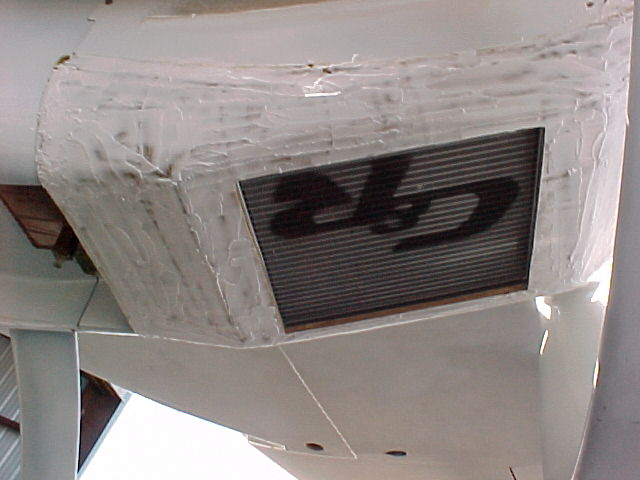
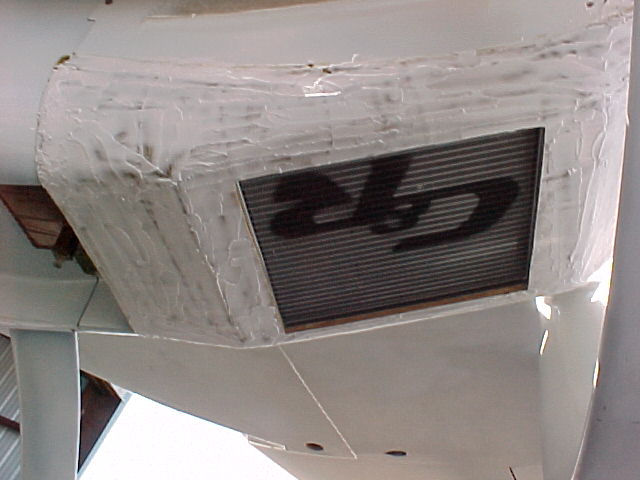
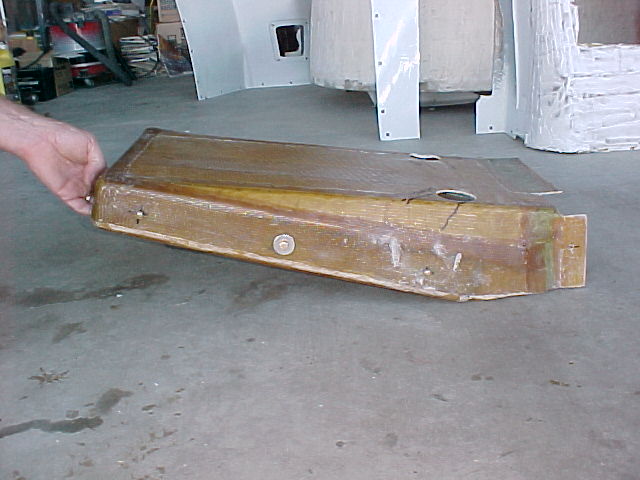
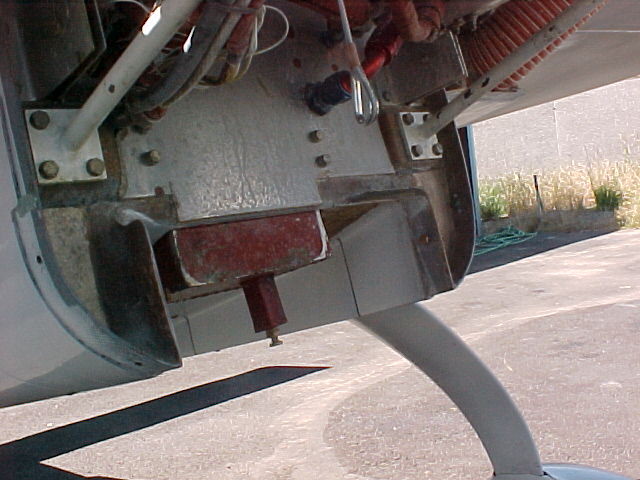
now has a big P51 scoop on his lower cowling. Are you now saying that you've
changed you're mind and that the "recommended solution" is no good, and he
should rip it off? I guess if it were in 3D he could just delete it.
John Slade
As I learn more I modify my approach. That is why I go to flyins & air shows,
look at what people are doing, talk to them and take pictures.
It will be years before we will really know the best approach to
cooling liquid cooled aircraft engines. We need hundreds of successfully
cooled  rotary powered airplanes flying under all ambient conditions.
The current crop of certified air cooled engines have had the benefit
of 70 years of refinement  and hundreds of thousands of air cooled
engines flying. All I can say is this looks like the best approach
given what I know now.

No I don't think CFI is quite up to it yet. Besides I don't have a Cray.

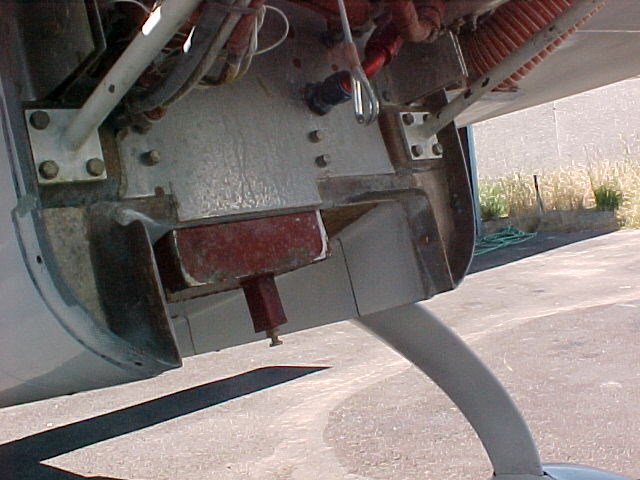
There is no questions that a P51 scoop and duct works.
It all depends on what Bulent does with the air coming out of the back
of the rad. Does the air go in above the rad or does it go in from
the bottom? If it goes in from the top he has a very good chance of getting
it to work providing he dumps the air straight down or back at a slight
angle. It is almost identical to what Perry is doing except Perry is using
a NACA duct. Perry's ducted fan is drawing air out of the rad making
the otherwise ineffective  NACA duct effective.

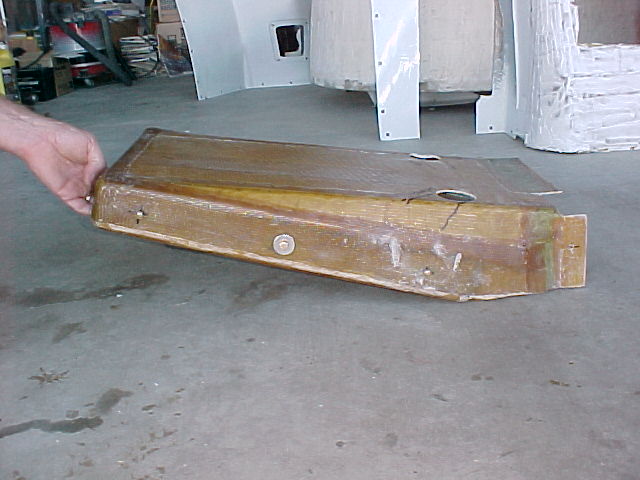
In that case Bulent will have pretty much what I am proposing now except I am
advocating moving the rad forward under the fuselage and eliminating the
P51 scoop and duct. The rad itself then becomes the scoop and diffuser.
The frontal area is a bit less as the boundary layer bypass is merely
a space between the rad and the bottom of the fuselage. This is
merely an improvement over what I was previously advocating. There is
no need for Bulent to change now.

BTW there will be little or no difference in the "turbulence".

Think in terms of electronic devices or personal computers. If you wait
until they are finally as powerful as they ever will be you will never buy one.

Paul Lamar

The AirCraft Rotary Engine NewsLetter.  Powered by Linux.
ACRE NL web site. http://home.earthlink.net/~rotaryeng/
Copyright 1998-2003 All world wide rights reserved.