for a fixed pitch prop some sort of hub should be made so the pitch can
be ground adjustable. Similar to the way Warp drive props are made.
"Robinson, Chad" wrote:
What sort of torsional stresses are on a prop, anyway? I've seen stress
models for wings and other surfaces, but not for props. This doesn't sound
like something you do with a set screw, even if you have a collar so the
blades can't slide out.

Regards,
Chad
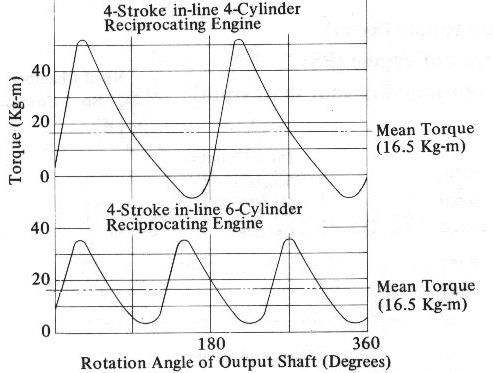
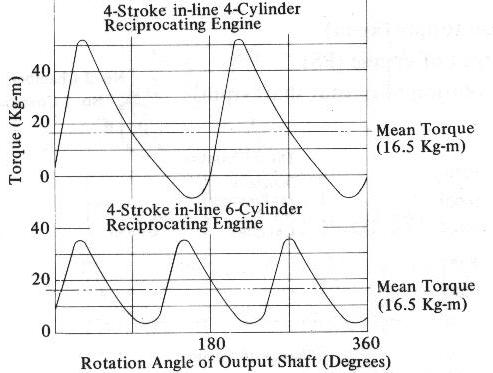
What do you mean by torsional stress? There is a torque pulse applied to all props.
The severity of the pulse varies with the type of engine. The most severe
is that from a large four cylinder aircraft engine. The two rotor has the same
number of torque pulses per rev as a four cylinder  but they are much less severe.

Due to the inertia of the blade applying this torque pulse at the hub can
cause a stress failure in back and fourth bending. If the blade is made from
a high strength light weight material like carbon fiber this stress is reduced
all other factors being equal. IVO props have a problem in this regard
because of the way the blades are bolted to the hub. This I suspect is
also the repetitive application of force that can cause an aluminum prop
to resonate and fail at certain RPM's. It is why specific aluminum props are
only certified with certain aircraft engines.

Another force on the blade is centrifugal. This can amount to thousands
of pounds at high RPM again depending on the weight of the blade. Again
carbon fiber scores as it has a very high strength to weight ratio.

A third force is bending of the blade fore and aft due to the thrust
being generated. This is mitigated by the centrifugal force much like
a helicopter blade more or less stays in  plane despite the high
lift it is generating. This bending load is actually higher on
a light weight blade such as carbon fiber.

A fourth force is a gyroscopic  force on the blade tending to bend it
back and fourth as the aircraft stalls and pitches down or if
it is in a spin. This amounts to 600 foot pounds on a typical
CS aluminum prop. Again carbon fiber reduces this loading
due to the lighter weight of the blades.

Paul Lamar

The AirCraft Rotary Engine NewsLetter.  Powered by Linux.
ACRE NL web site. http://home.earthlink.net/~rotaryeng/
Copyright 1998-2003 All world wide rights reserved.