Erik Wahlstrom wrote:
Ed Anderson
Now that Shady Bend is over, could you share your paper/presentation on
manifold design using Finite Amplitude Wave theory with us.

Paul
You made a Rhino diagram of a intake manifold test rig. Has anybody built
one? It would be interesting to test the Mazda DEI on a home made flow
bench. That would serve as a base line for testing a Finite Amplitude Wave
manifold designed.

Erik
I don't recall that. I am building a dyno if somebody wants to send
me one of these manifolds I could test it. Frankly I don't hold much hope
for it in the RPM  range we use... that is 6000 and up to 8000.
Fixed pitch prop load is minimal below 6000 except during static runup
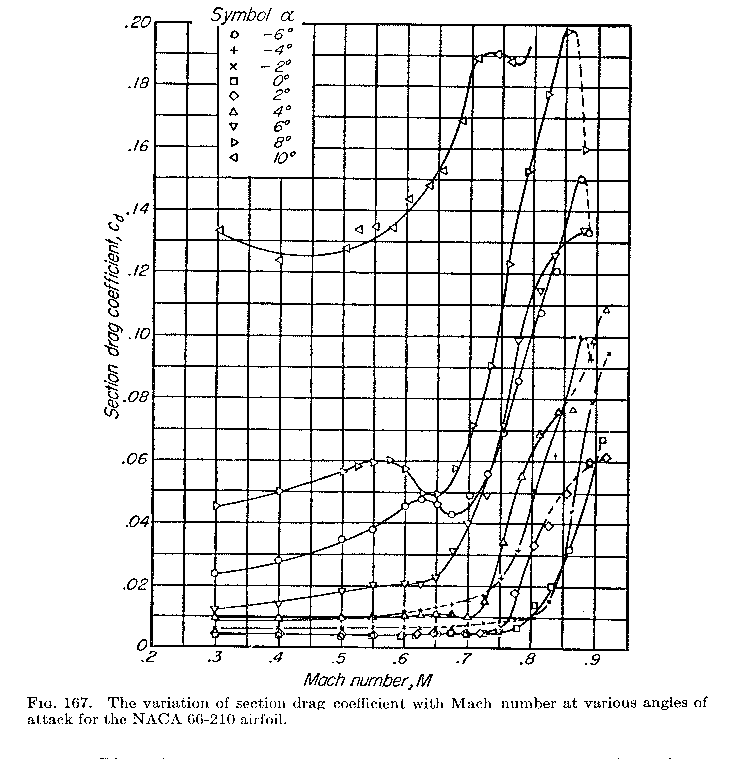
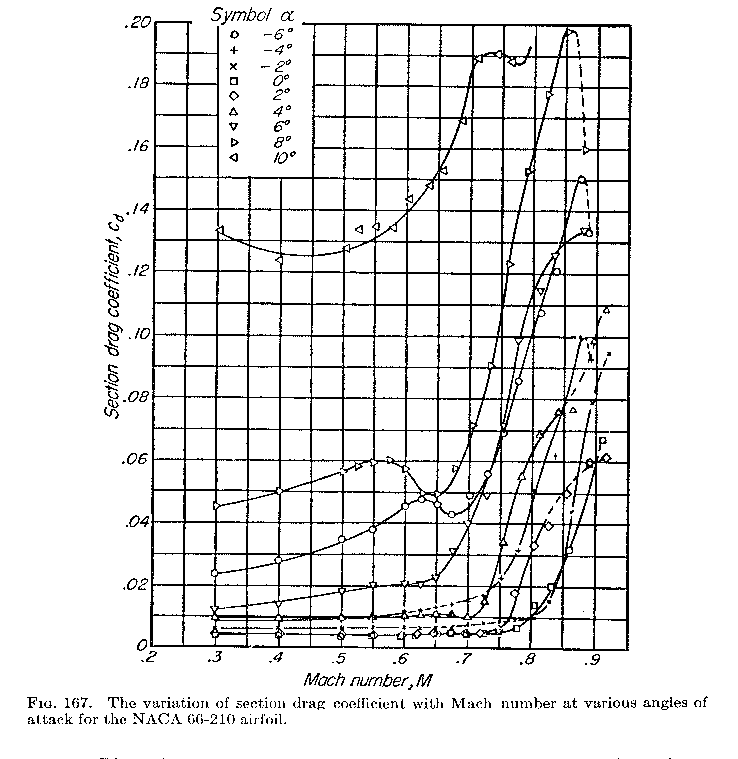
and initial take off. HP consumed by a fixed pitch prop is proportional
to RPM cubed. Much worse than that when the tip speeds approach
supersonic velocity. The engine runs into a proverbially brick wall.

It is very difficulty to get the DEI runners short enough
in the 6000 to 8000 RPM speed range and the so called B pulse (exhaust pulse)
goes completely away with the RX8 engine as it has zero valve overlap. Besides
that mixing exhaust gas with the fresh charge is not a good idea unless
you are trying to reduce smog.

A Mazda DEI manifold appears to be good for torque in the 3000 to 4000 RPM range
on the older engines. That is important for acceleration in automotive use.

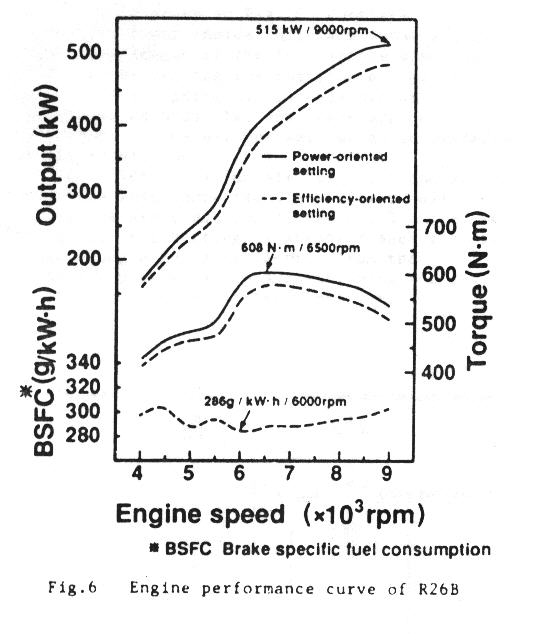
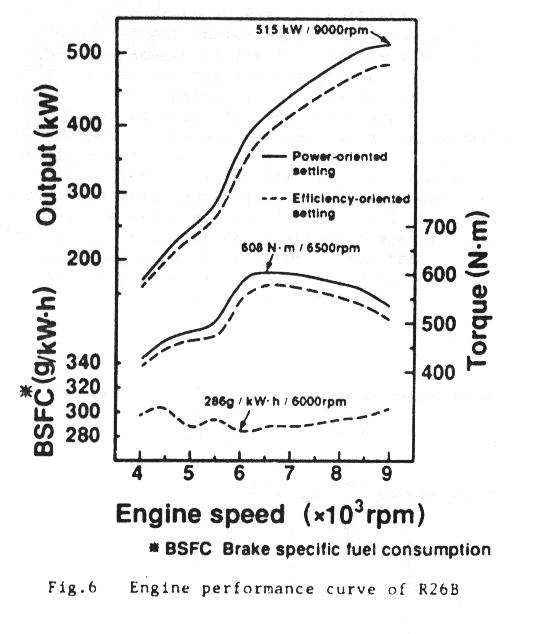
The most peak power can be obtained by a simple organ pipe manifold tuned
for peak RPM. The Lemans engine had 120 HP per rotor at 6000 RPM with
such a manifold. The power sport engine had about 107 HP per rotor at
6000 RPM with a simple organ pipe manifold. True, both engines had P ports
but a bridge port with the same timing will show similar power.
To my knowledge no NA DEI equipped engine ever came close to those numbers.

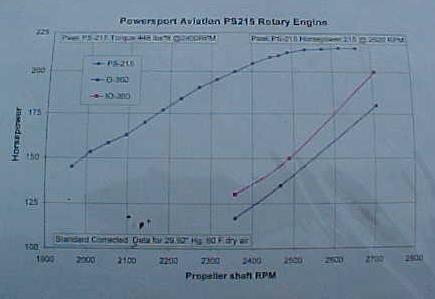
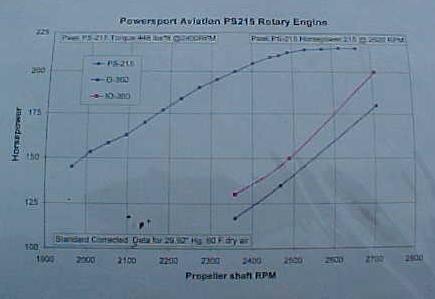
The upper curve in this picture of a dyno load curve is of the Power Sport
engine and the two lower curves are fixed pitch prop load curves. As you can
see excess power (torque) is generated everywhere with a simple tuned pipe manifold
except at max RPM. No need what so ever for more torque at 3000 to 5000 RPM.

Paul Lamar

The AirCraft Rotary Engine NewsLetter.  Powered by Linux.
ACRE NL web site. http://home.earthlink.net/~rotaryeng/
Copyright 1998-2003 All world wide rights reserved.