The break test we did was very informal and was done without
instrumentation
but it did show that it took much more force to break the new seal than
the
Hurley.

The 700% stronger claim comes from a test we did when the force to break
was
measured at 7 times the force required to break the Hurley.
Engine tests so far are in turbo 13B RX-7s running as much as 17 PSI
boost.
Only about 8000 miles of testing so far but I am satisfied enough to put
them in my own engine.

Tracy Crook
Tracy,
I assume your seals are 2 mm.
I also assume you tested these against the 2 mm Hurley seals.
Are you planning on making 3 mm seals?

Even if some people do not consider 3 mm seals essential for
turbo engines sometimes the rotor slots are so worn it is necessary
to grind them out to 3 mm.

Have you tested your seals against the stock Mazda seals?

Can you send me a sketch of the test rig?

Paul Lamar
Paul or Tracy,
What are they made of and will it wear the housings more quickly!?
George (down under)
You read my mind George. I was about to ask Tracy what was the Rockwell hardness
of his seals compared to the Hurley and the stock Mazda two piece seals?
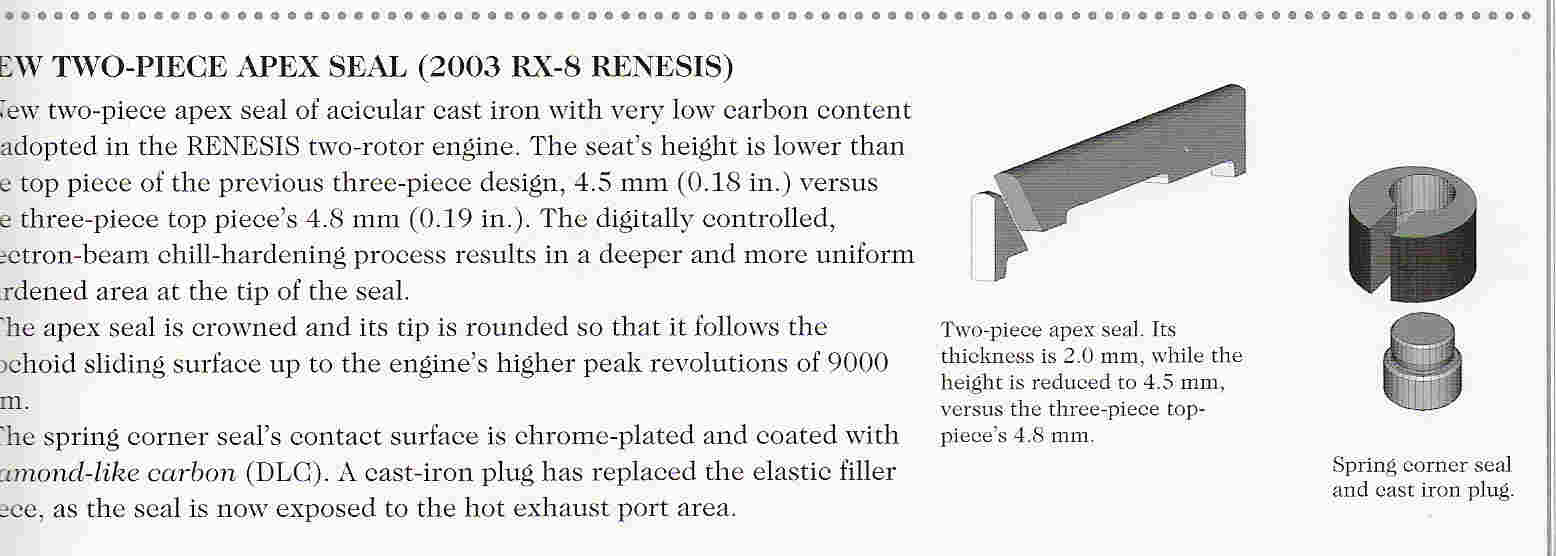
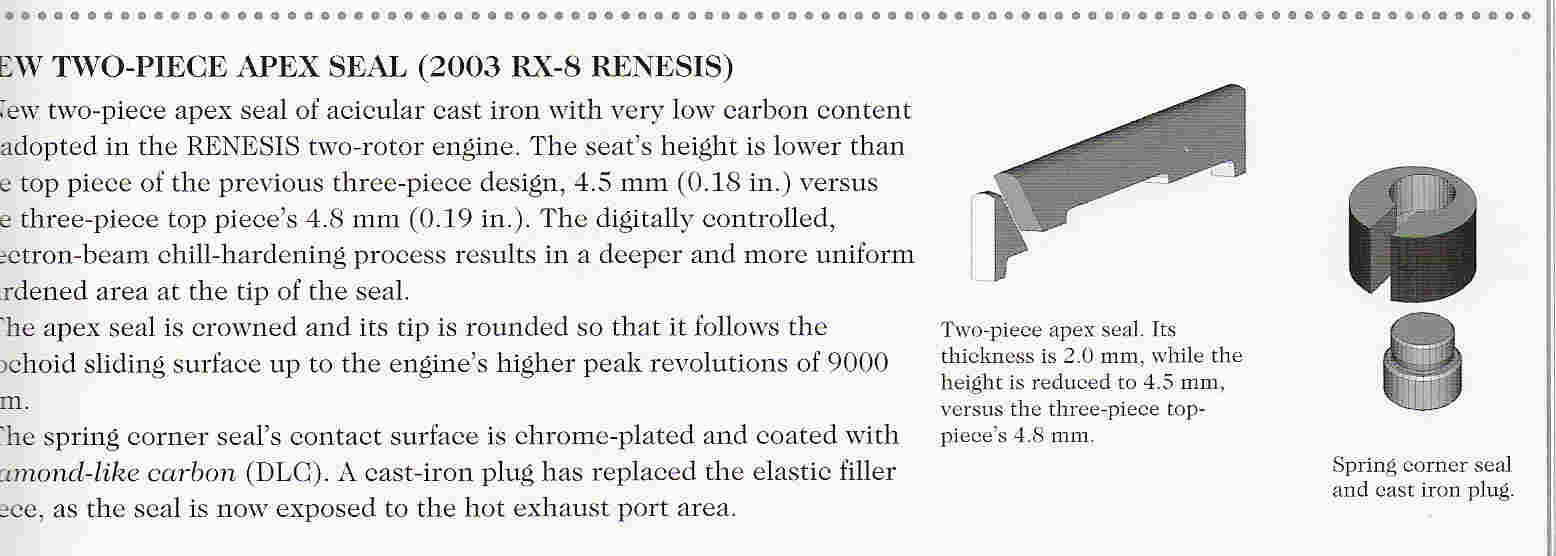
Mazda heats the wear edge of the stock seals with a laser and then chills
them in liquid nitrogen.

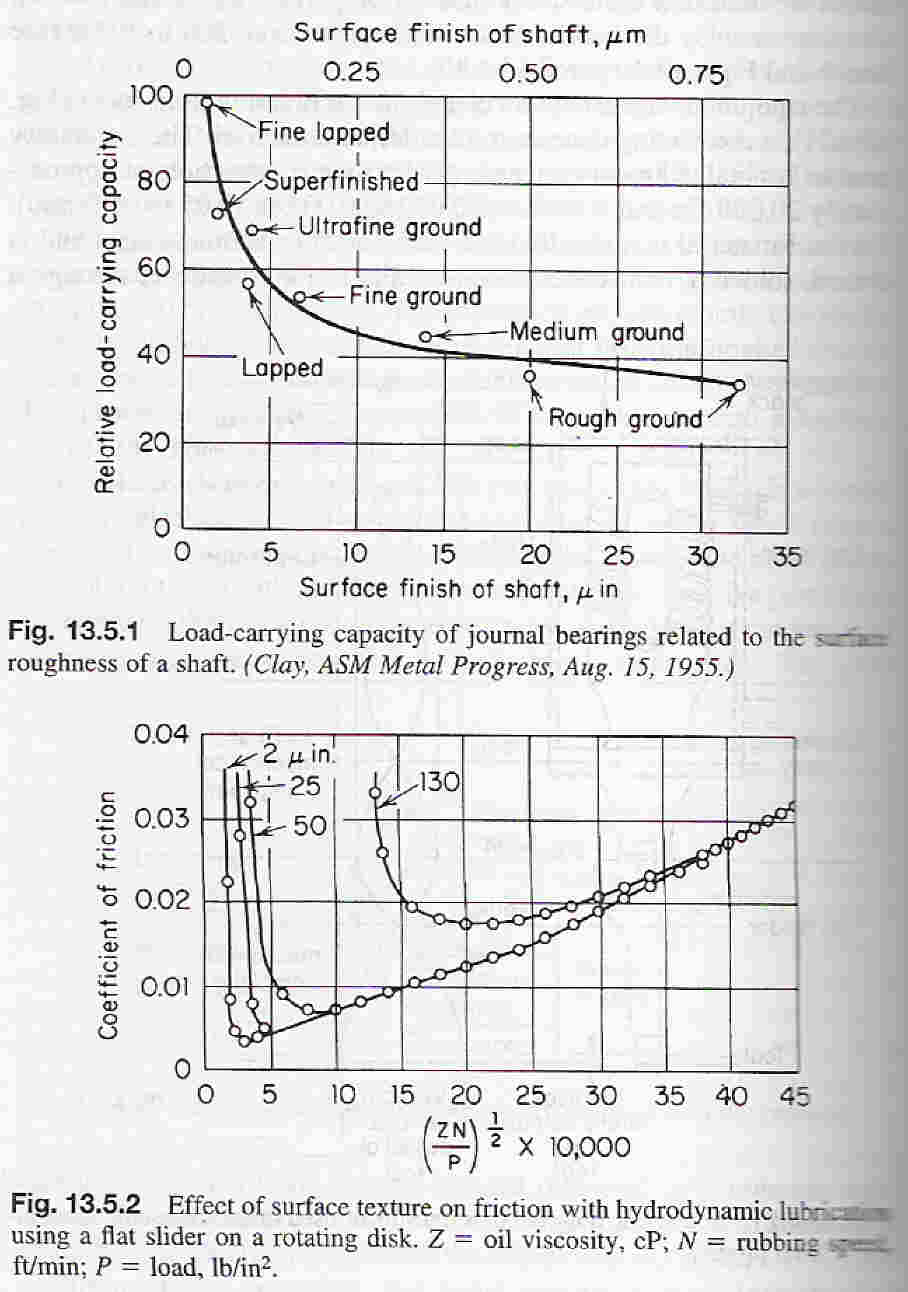
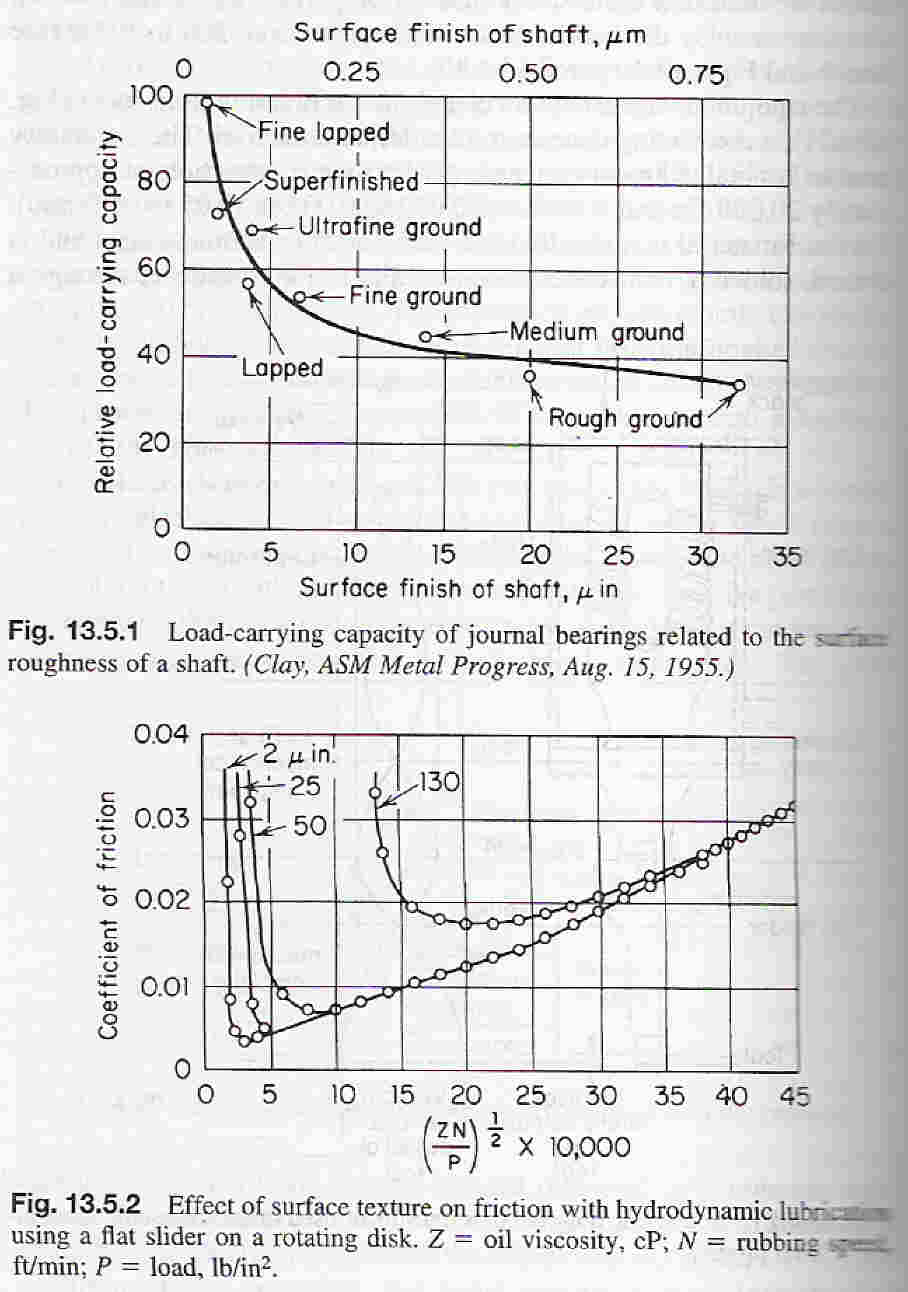
Also what is the smoothness or surface texture in terms of R1 micro inches.
Here is some background on the importance of the surface texture.

Paul Lamar
Opps. I forgot to attach the illustrations.

Paul Lamar

The AirCraft Rotary Engine NewsLetter.  Powered by Linux.
ACRE NL web site. http://home.earthlink.net/~rotaryeng/
Copyright 1998-2003 All world wide rights reserved.