I forgot to make one more point clear about turbo compounding.
The exhaust valve is the current Achilles heel of the aircraft
piston engine. If you fail to lean your air cooled piston
engine properly your exhaust valves will fail sooner rather than later.
Exhaust valves run cherry red and slam open and shut 1200 times
a minute or more in the case of geared engines. It's a wonder they
last 500 hours. Current exhaust valves are made from the finest materials
available. In the case of Lycoming they are sodium cooled. They are at
the limit of their development and have been for many years. No
significant
improvement can be made in the foreseeable future.  This was the downfall
of the CW R3350 turbo compound engine. Exhaust valves would break up and
take out the exhaust turbine as the parts exited the engine.

The Wankel rotary has no exhaust valves of course.
What this means is the rotary is the ONLY viable intermittent
combustion engine that is suitable for turbo compounding. A 20%
improvement in BSFC due to turbo compounding will make
the Wankel rotary the best in every respect light aircraft engine bar none
by
a wide margin. Assuming someone develops aluminum end housings,
not only will the Mazda Wankel TC rotary have a much better power to
weight
ratio than a piston engine, it will have lower fuel burn AND a much longer
life.
Furthermore if Diamond Engines develops a reliable turbo compound side
exhaust
port engine and they install it as standard equipment in all their
aircraft
models I predict Diamond Aircraft will soon become the largest light
plane manufacturer in the world. They have a very good head start on all
other
aircraft engine builders Lycoming and Continental included. They will also
get the lions share of the UAV market as well.

Here are some scans from Taylor's classic books on ICE's.

Paul Lamar
Paul Carey wrote:
Hi Paul

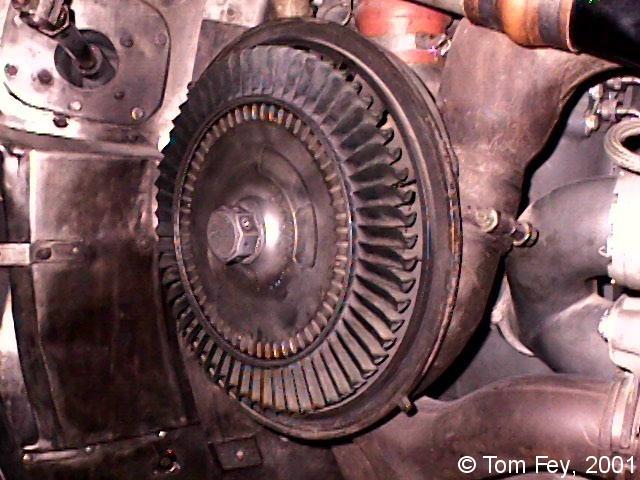
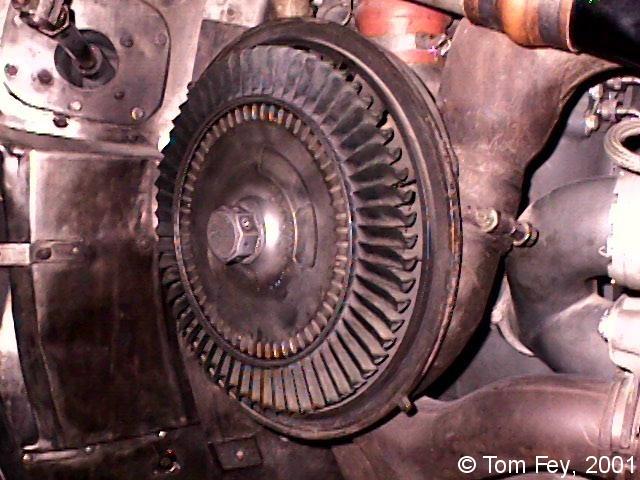
I have made an initial assessment of the Wright CW R3350 Power Turbine I
have purchased for my blown 20B drag car.
1.    The complete unit is too heavy. The actual PT may be able to be
lightened, I will see after dissassembly. The PT exit vane, and exhaust
cover are way too heavy for light aircraft, and my drag car. A lighter 4130
version will have to be made.
2.    The PT unit has a high mass inertia with plain bearings. I am going to
disassemble mine and see if it can be converted to roller bearings like the
new high performance turbo's.
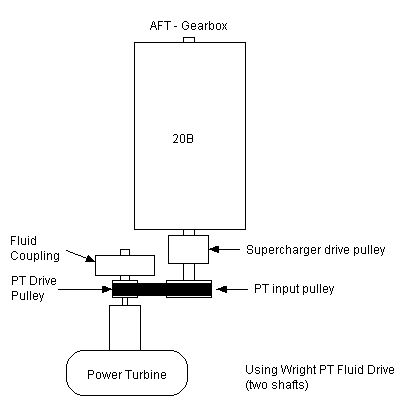
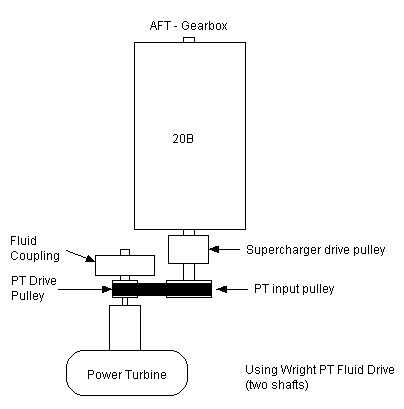
3.    Driving the PT will take some imagination in each installation, due to
direction of rotation, exhaust plumbing, belts and sprag clutches/fluid
drives required etc.
I am still going to make mine work, just will take many months of planning,
design and modifications. Then the testing begins. We may be able to
manufacture a PT ourselves - I have a mate who already machines up turbines
in his engineering company for US clients.
Regards PC

Paul Carey LAME, MC
Aero Management - aviation consultants.
www.aeromanagement.com.au
(08) 9371 5205  0418 959 892
"The PT unit has a high mass inertia"
I overlooked that. Makes it unsuitable  for your drag racing application.
In an aircraft engine is matters not.
Ball or roller bearings won't help. That large turbine will not accelerate rapidly.
Your only hope is accelerate it on the starting line to near max RPM
and then drop the clutch.

Paul Lamar

The AirCraft Rotary Engine NewsLetter.  Powered by Linux.
ACRE NL web site. http://home.earthlink.net/~rotaryeng/
Copyright 1998-2003 All world wide rights reserved.