Douglas Fir wrote:
Cast iron housings weigh roughly 50 pounds each.
Iron has a density of .3 pounds per cubic inch.
Aluminum is .1 pounds per cubic inch. All other things being constant
the aluminum end housing would be one third as heavy or .33 X 50 pounds
or 16.5 pounds each. A 50 pound weight saving over all for a two rotor.
That would reduce the RX8 bare block weight to about 130 pounds from 180
pounds.


Paul Lamar
Douglas Fir wrote:
Hello everyone,

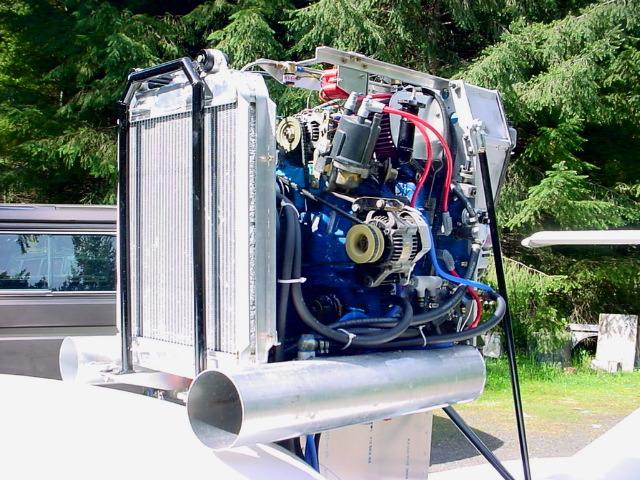
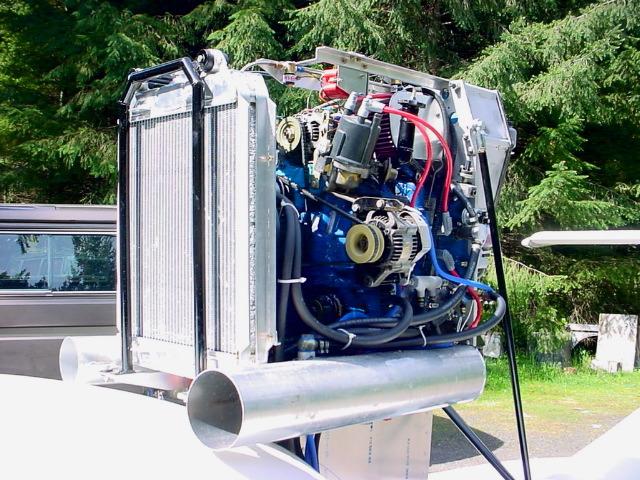
At first glance it seems that if I use all aluminum housings it may be
cheaper to build up my engine from parts then to buy a new 13B (250hp) six
port engine and and start eliminating pieces. Am I correct?

If anyone knows  someone in California who is making or has made a SeaWind
I would like to meet them when I come over from Japan next month.
For a SeaWind Doug I think you will need a 3 rotor. What is the gross weight?
We have several people on here building SeaWinds with three rotor engines.

Paul Lamar
 SeaWind gross weight seems to be a moving target:) I have been told
anywhere from 2250 to 2650.  My sole goal in life at the moment is to
lighten the plane up through good fabrication techniques and substitution of
carbon fiber in some components. Obviously I am aiming towards the lower
figure. The prototype SeaWind flew with a 200hp engine. Presently a few SWs
are now flying with 250Hp and long water takeoffs can be done but it is
generally recommended to have 300Hp for the water.

I want this plane to go high and far, as in around the world.  Even though
the plane has lots of room for fuel tanks I'll still need to have a  good
fuel burn or I'll be treading water in the Pacific Ocean.

I have some friends in San Luis Obispo I usually stop in and see so I can
stop by on the way. Anything small you want me to bring over from this side
of the pond?

Cheers

Doug
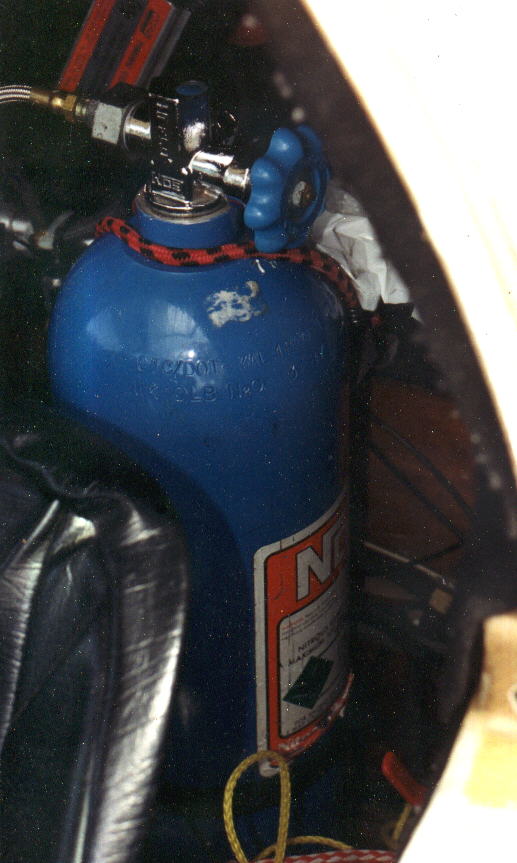
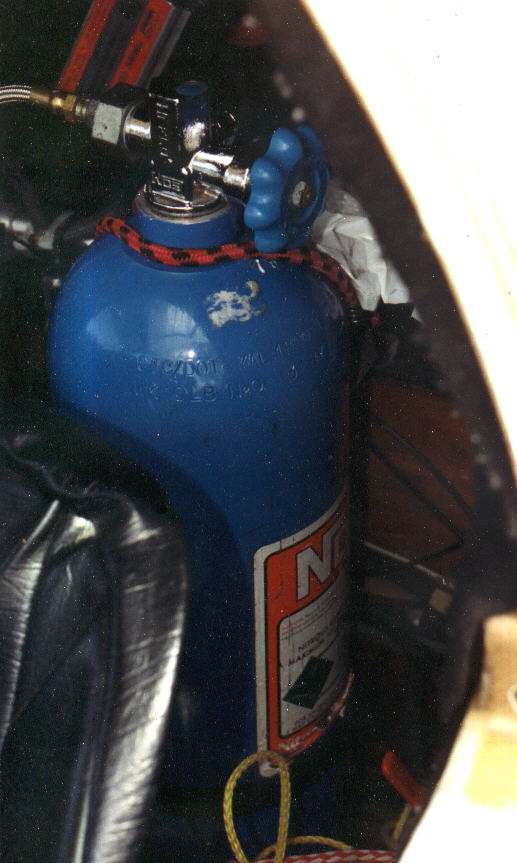
Well you can always take a tip from Ken Welter and use nitrous oxide to get
up on the step. Might be hard to find in some parts of the world however.
Ken's Coot grosses close to 3000 pounds with 100 gallons of fuel.
If you choose a 2.85:1 PSRU you should be able to swing a 74 or 76 inch
prop at 7200 to 7800 engine RPM for good low speed thrust. An electric
Hoffman or MT variable pitch prop would also help greatly getting up
on the step and still giving a good cruise speed.


Paul Lamar

The AirCraft Rotary Engine NewsLetter.  Powered by Linux.
ACRE NL web site. http://home.earthlink.net/~rotaryeng/
Copyright 1998-2003 All world wide rights reserved.