Bob Darrah wrote:
PL wrote (snip)
Looking up the rate of thermal expansion on cast iron gives:
.059 inches x 10 -4 per degree F
or .0000059 inches per degree by moving the decimal to the left by
four places.

If we start with room temp 72 F and go up to 500 F that is 430 degree F
change
in temp. So the rotor should be only about .0025 wider if my numbers are
correct.
Thats per inch,  since the rotor is "about" 3 inches thick, you have to
multiply that number by three.

The way I remember this is that a 10 inch piece of iron will expand about
.006 of an inch per 100 degrees F.

Rough estamate, rotor thickness is ~1/3 of 10 inches, temp rise is 4 (+)
times .006 gives ~.008.

Bob Darrah
Good work Bob. Right .008" wider. Thanks.

Paul Lamar
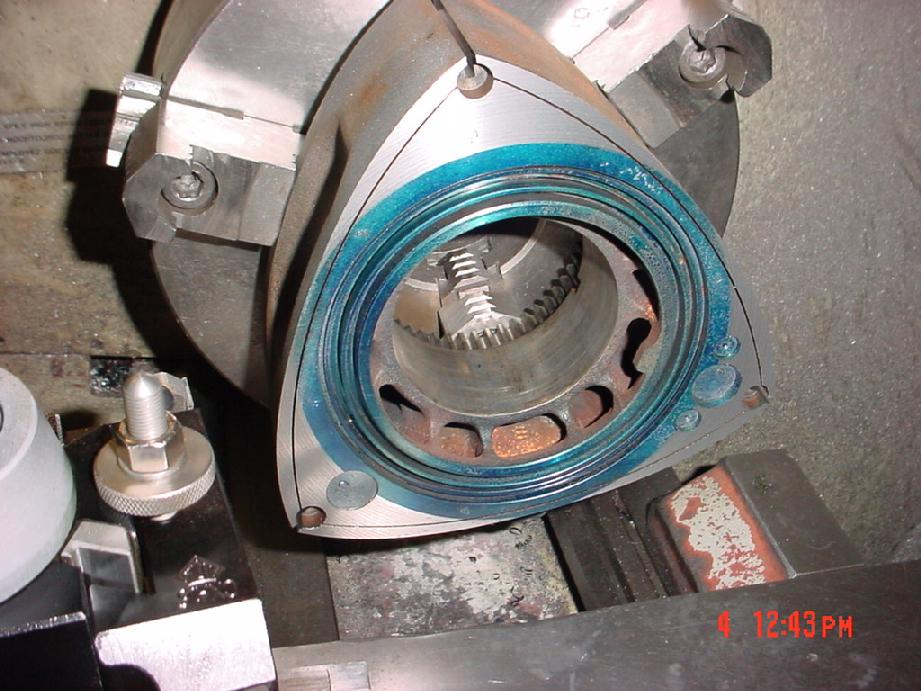
Just thinking along what could have happened. For once, the temperature of the
piston section in the middle between the apex seals could also be much more than
500 deg. F. The picture would point to that.

The mechanics is likely that the temperature will rise quickly and in that area
first, and there is not enough time to heat the whole piston and bearing section
before seizure occurs.
Also, the piston would warm up faster than the e-shaft, thereby not causing
damage to the bearing. I would assume that the whole thing happens so fast that
is not enough time to heat up the rest of the piston or e-shaft. In a bearing,
oil is usually retained longer than on flat sliding surfaces such as the side
walls.

We have to consider that water cooling for the housing kept on working fine, and
that the housing, as a consequence, did not warm up as the the piston did.

In contemplating that the wall temperature of the piston in the centre section
goes up to perhaps 1000 deg. F or more, the total piston expansion in that
region could be as much as .020", which is about the clearance provided. I think
it is conceivable that contact between the piston centre section and the side
walls could occur before anything else gets hurt.

Just some thoughts, FWIW.

Rolf Pfeiffer
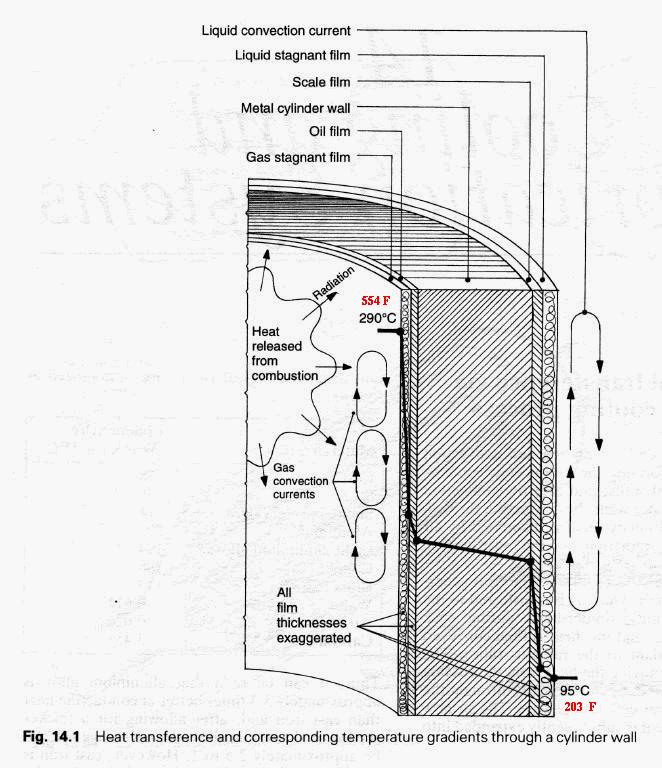
Piston Rolf? I doubt seriously that the center of the rotor combustion chamber
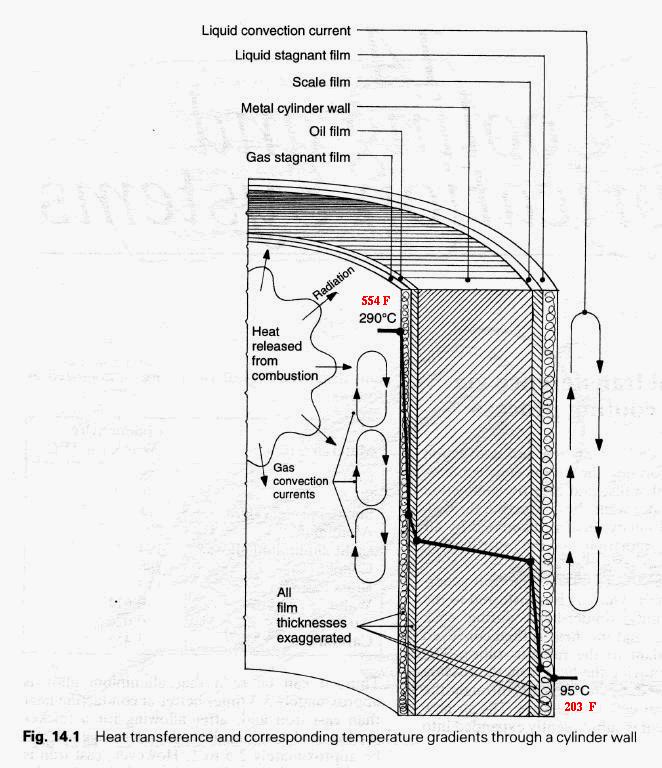
approached anything like 1000 F because of the thin gas stagnant film insulating layer.
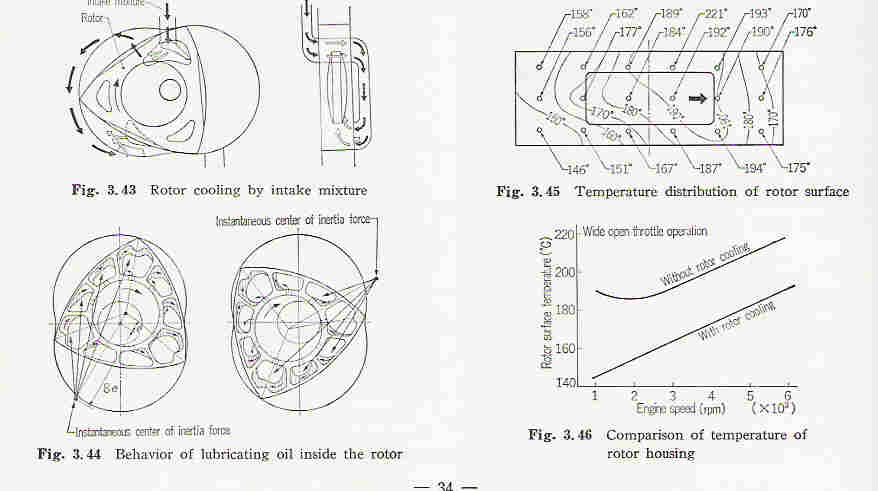
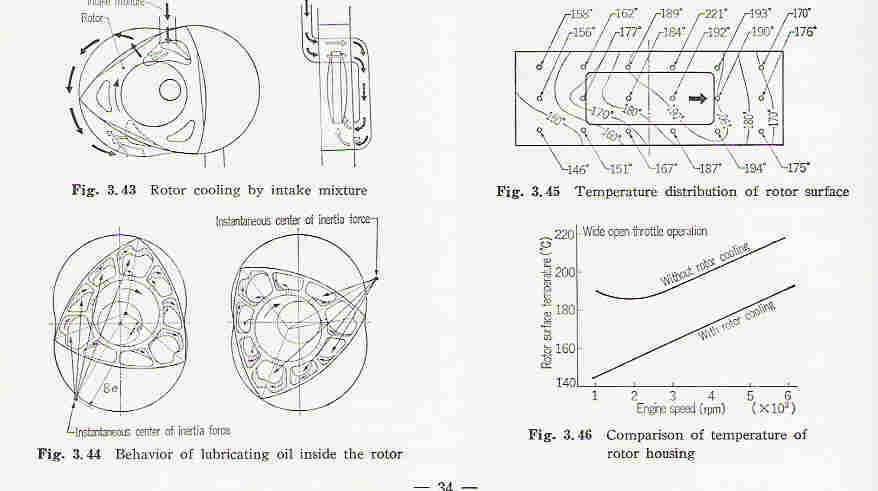
Mazda claims the max temp on the rotor housing WITHOUT rotor cooling is about 450 F.
Here is the graph. K.Yamamoto's book Rotary Engine page 34.

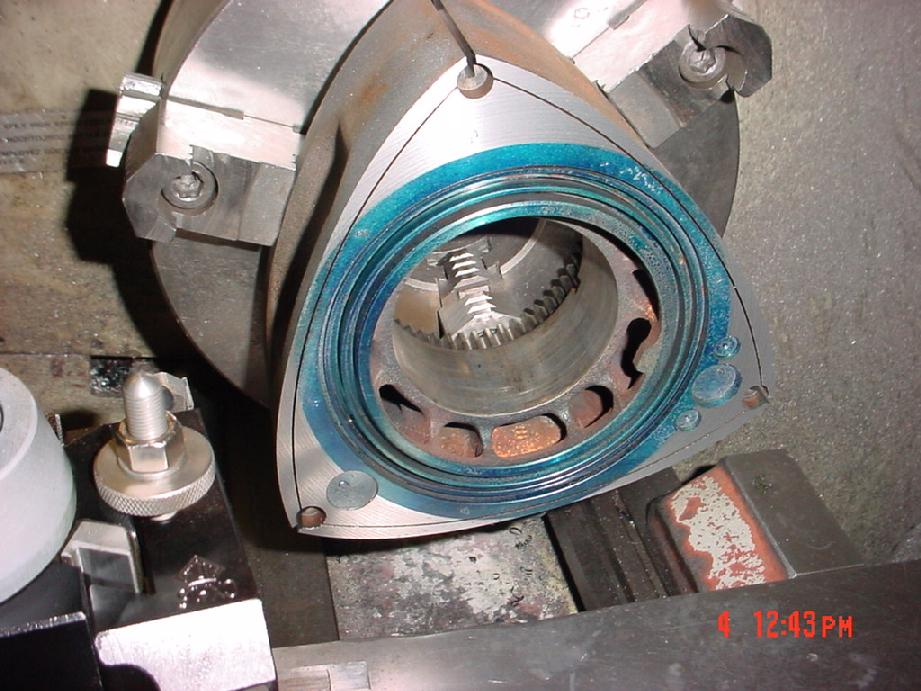
More likely the  1 mm wall between the outer oil seal and the inner oil seal rubbed
on the end housing reaching a super high temp due to friction and galled or welded
itself to the end housing. Only that part and a little circular bit of the rotor
on the outside of the outer seal where actually in contact with the end housing.
This is because Ken taper cut the side faces of the rotor in a lathe. That is where
the damage was anyway. The increase temp of the rotor could be a contributing factor.
The engine seizing due to rotor expansion has been unheard of before this.

Paul Lamar

The AirCraft Rotary Engine NewsLetter.  Powered by Linux.
ACRE NL web site. http://home.earthlink.net/~rotaryeng/
Copyright 1998-2003 All world wide rights reserved.