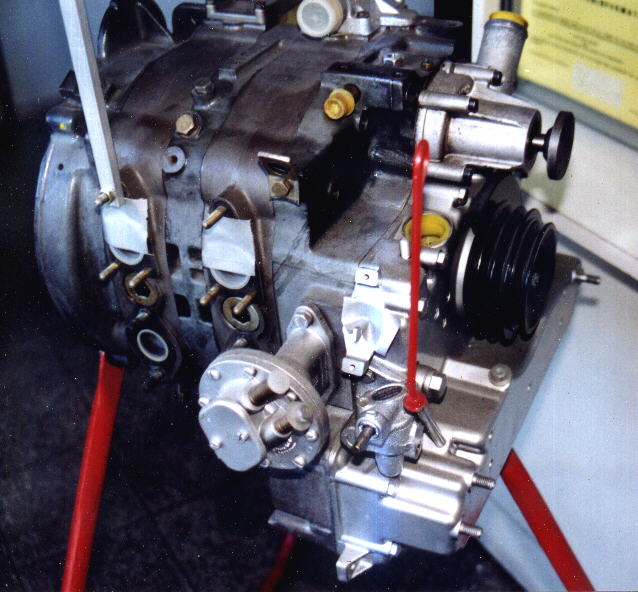
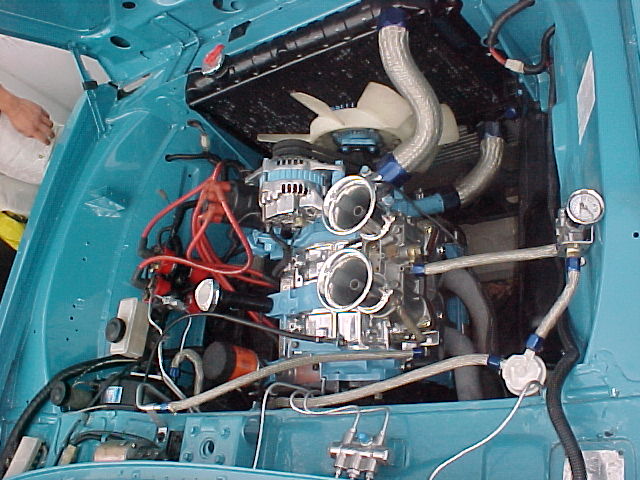
> Hi Guys (and Girls), Take a look at the attached graph.
Why wouldn't we want to identify our cruise RPM and then select the the port
timing
     that
     >      corresponds?  This is for a 12A, but should be close.  Also,
why do we care about the PP being water tight - the rotor housing around the
PP
     insert
     >      is completely enclosed with epoxy or JBWeld.
     >
     >      Ken Powell
Ken,
I've probably seen that graph a hundred times in the last few years and only
now begin to understand it now.

It is a good guide alright, I'm surprised the best IO for our RPM range is
80 degrees, however it's worst for idle - something we are trying to improve
upon. I personally liked the 80 degree IO.

The IC is another surprise as Again the best for cruise and take-off RPM is
worst for idle. I liked 80 degrees there as well it may make it better at
high RPM as well but must make it worse for idle.

There goes all my theories out the window. I figured the later it got the
better it got ( to a point) - as it gave the exhaust more time to evacuate
and less time to mix with the inlet gases ( at idle). But it may be that the
sooner it opens at idle the more fuel can be ingested.

I notice also the graphs don't start till 2,000 RPM, what happens below that
?
George (down under)
George the quality of the idle is controlled by the butterflies close to
the rotor housing. I does not matter what happens below 5000 RPM in
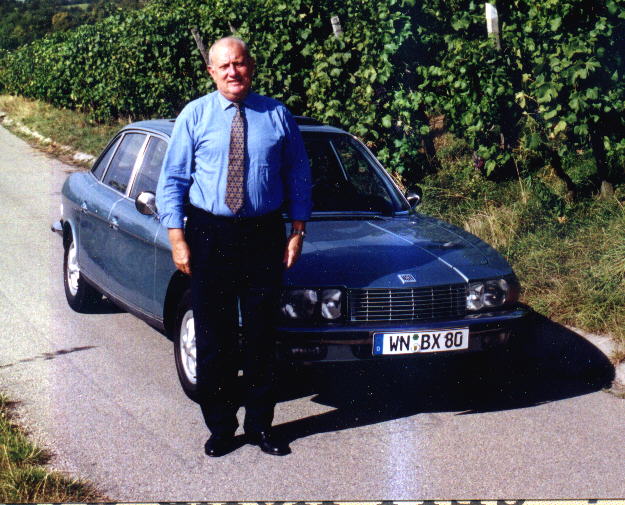
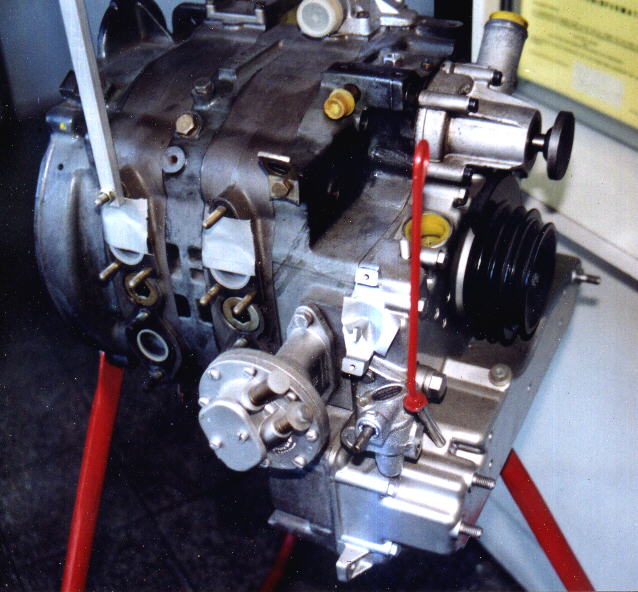
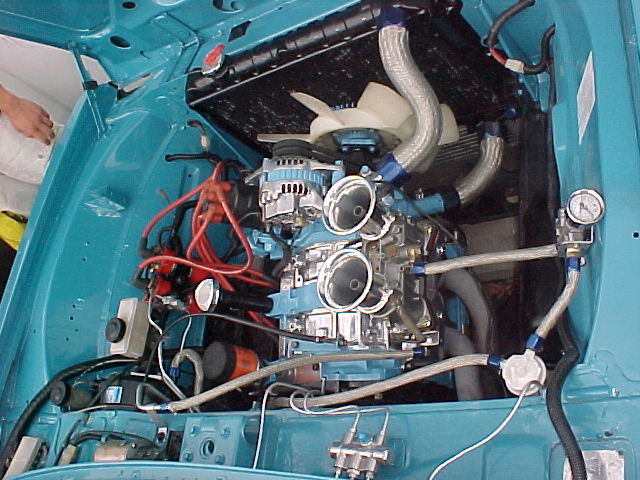
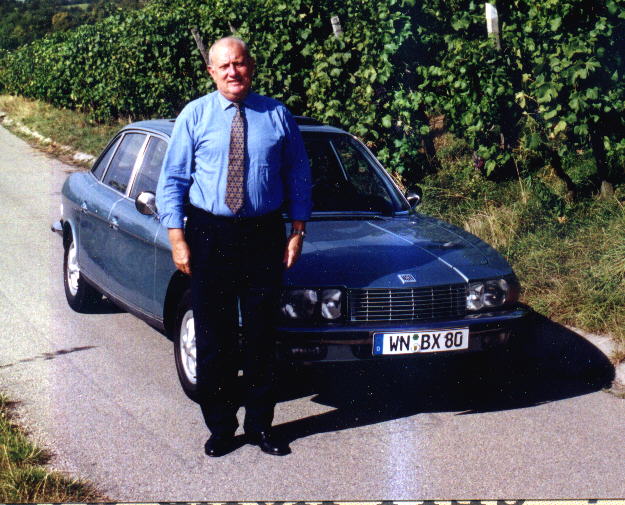
a geared aircraft engine. I have driven this car with P-ports
and they work just fine. The third picture is a street driven P-port engine.
Just build one and try it.

Paul Lamar

The Rotary Engine NewsLetter.  Powered by Linux.
ACRE NL web site. http://home.earthlink.net/~rotaryeng/
Copyright 1998-2004 All world wide rights reserved.