Perry Mick wrote:
OK, here is DWG drawn to scale, to the nearest .05 inch as I was able to
measure. You should be able to open this in Rhino.
The flywheel is thicker than 1/4", the prop drive is 5/8" thick so would
act as a stiffener.

Perry
I think something like this would be safer and lighter with the aluminum flywheel.
All the loads go into that counter-weight/flywheel-hub sooner or later.

Unless of course you wanted to use a large diameter composite shaft extension
like Charlie Airesman did and then I would suggest beefing up the aluminum flywheel.
There are simple ways of doing that without adding too much weight.

Paul Lamar
Yes, I was thinking of doing exactly that, a large carbon fiber shaft
extension with a much larger hub diameter on the fan than I have now. If
so, what would I do to the aluminum flywheel to beef it up?
Here is a drawing with the larger fan hub, longer duct exit that is
almost straight. The expanded exit area comes mostly from the large fan
hub tapering to a exit cone. There would be no rad inside the cowl, I
want to put a surface rad all around the inside of the duct exit. Maybe
adding heat to the air back there will add pressure and thrust!

Perry
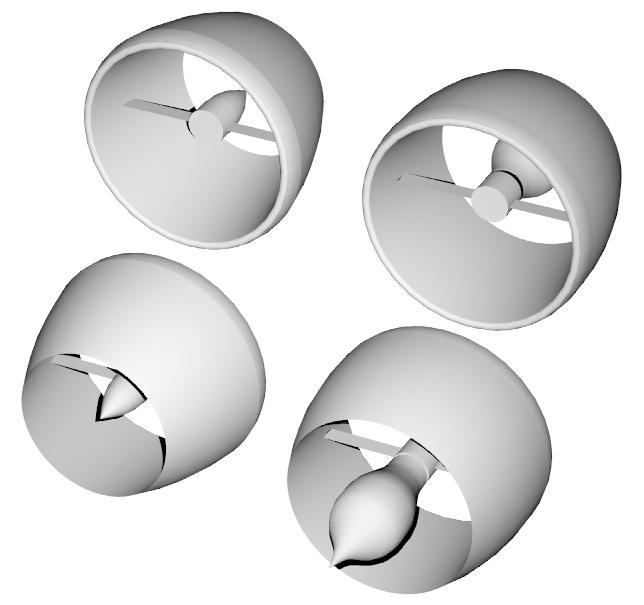
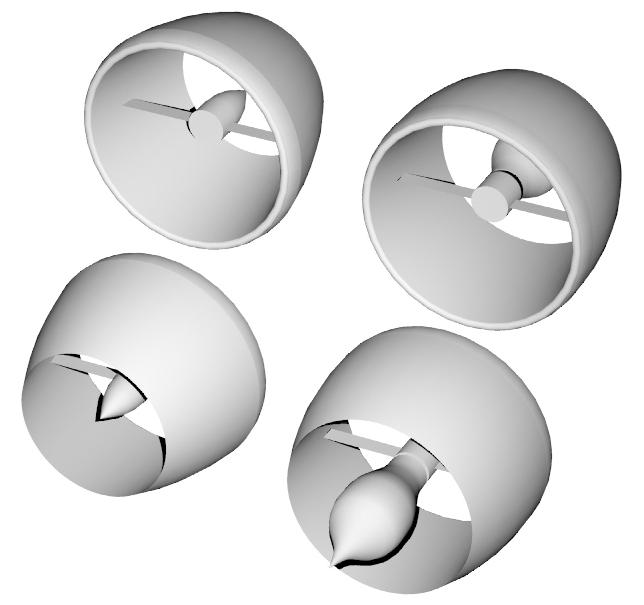
OK here it is.

Paul Lamar
I think you are still going to need a bulb behind the fan to get
the outer skin of the duct more parallel with the air flow to reduce
that source of drag.

Plan: C With a larger diameter hub you could use more blade
area and keep the tip speed the same. This too would make the outer
duct skin more parallel with the overall air flow. Is this what you
had in mind above?

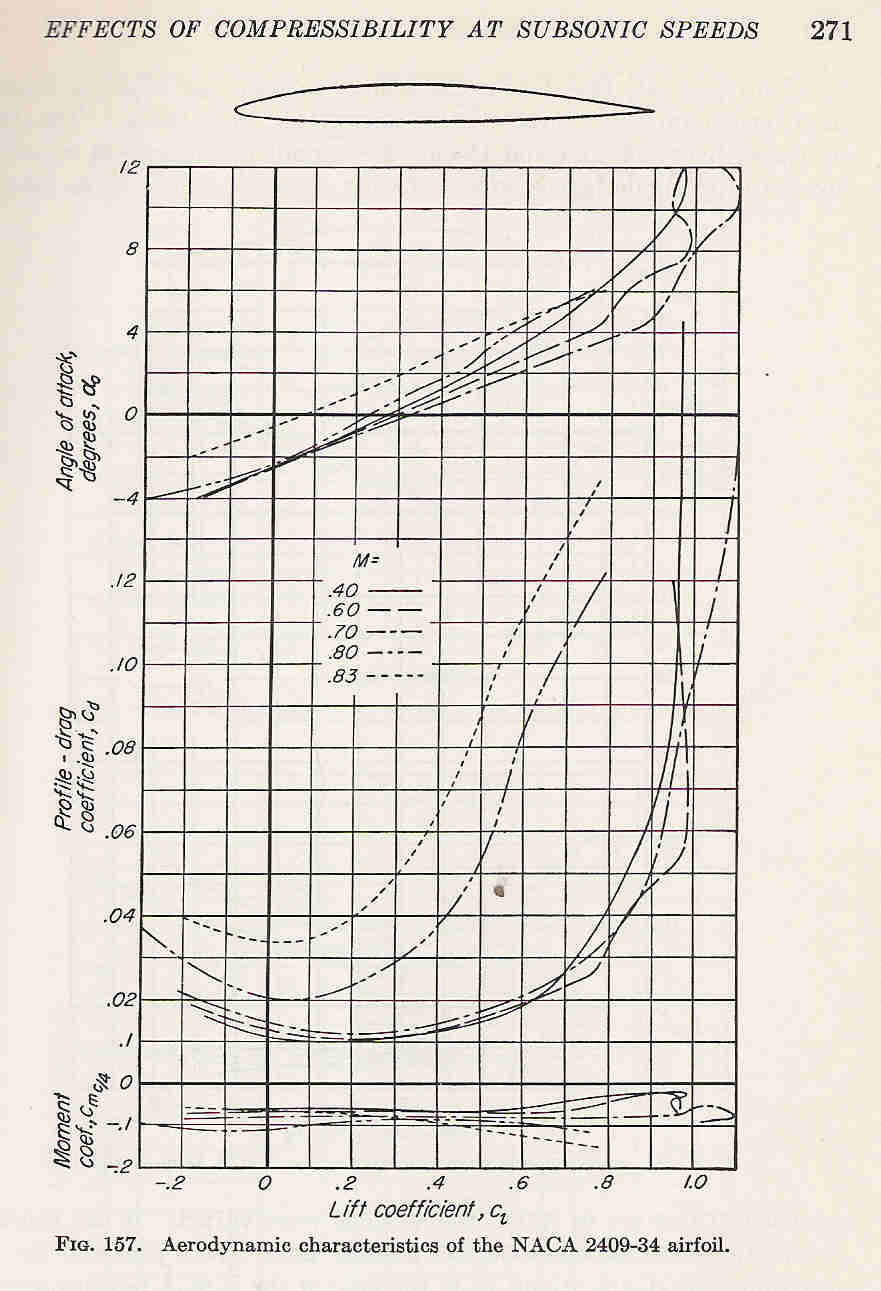
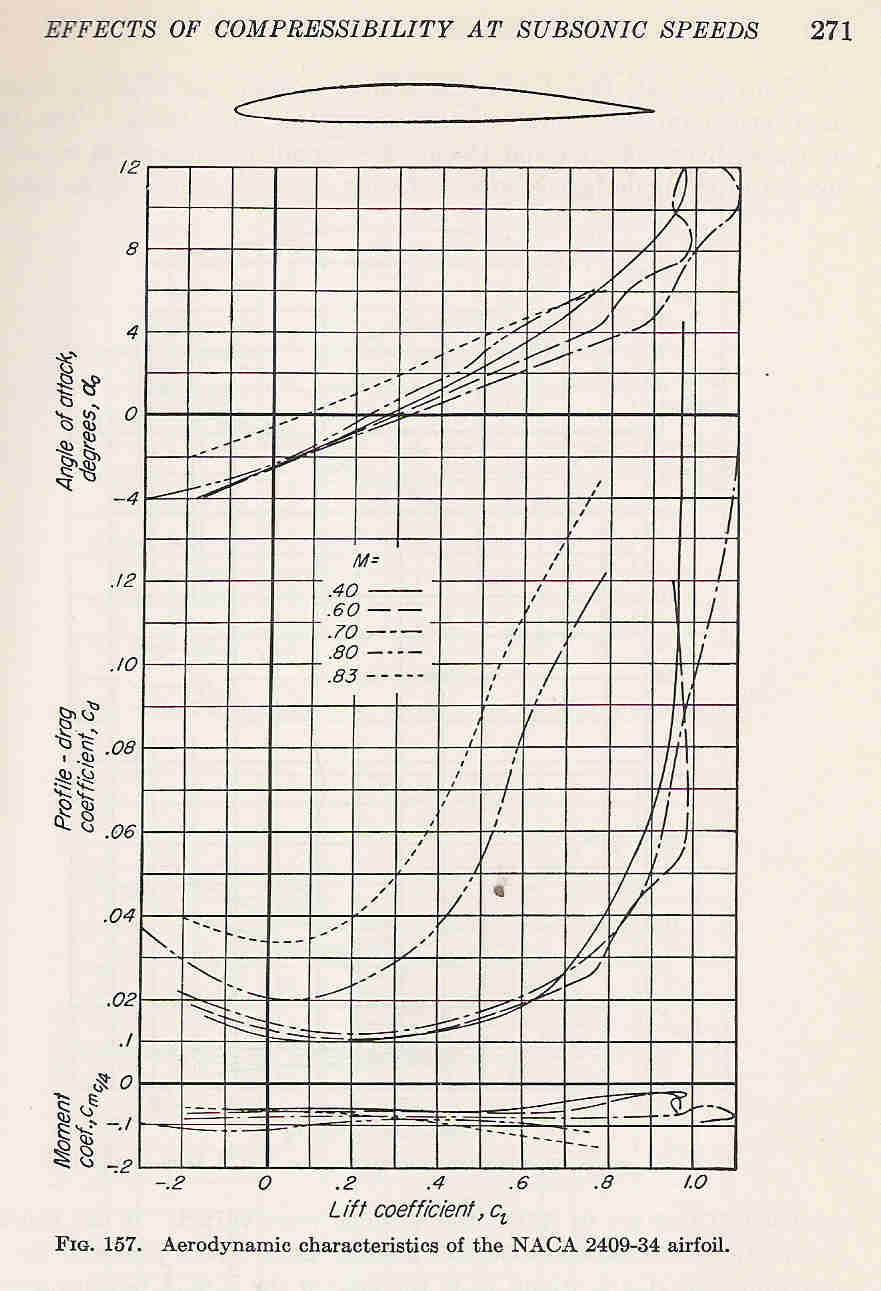
Also I suspect more blade area and less pitch might be an improvement.
This would have the effect of lowering the angle of attack and C sub l
to a more favorable lift to drag ratio on the blade airfoils.

What angle of attack are your blades running at currently?

I also think the tips need to be twisted to near zero angle of attack
due to mach number effects.

BTW how do you plan on making a surface radiator? Perhaps a long
pieces of soft aluminum tubing rolled into an oval shape and welded
to a inlet and out let manifold would work. I'll do a 3D.
The Schnider Cup racers method was to use flat sheet riveted to channels
but it was very leak prone. This is technically risky because the velocity
in the duct is higher and you may lose thrust due to increased skin
drag.


Paul Lamar

The Rotary Engine NewsLetter.  Powered by Linux.
ACRE NL web site. http://home.earthlink.net/~rotaryeng/
Copyright 1998-2004 All world wide rights reserved.