Hello Bob, Sorry for being late, Paul answered it all, also
regarding bsfc being different at different engine operating
conditions.

However, consider also this; you drive up a long hill, then turn
around and drive down again with the engine off. You covered twice
the distance with only slightly more fuel used going up. Your
average fuel consumption is only a little more than half compared to
the same distance traveled on a level road.

Of course, this is an extreme case. Normally the engine is not
switched off. The closest you come to above scenario is when the
road has a slope (or grade), that allows you on the downhill leg to
be completely off the accelerator without needing to step on the
brakes and going the same normal travel speed. The air butterfly
will be closed and the fuel supply is nearly equal to idle. Very
little fuel is used going down. The total fuel used is more than per
the above scenario, but certainly less then you would need if the
road was level and you drive the same distance (equal to up and
down).

The total fuel consumption goes up from this minimum if the road is
less steep or if steeper.

The other point mentioned by Paul to increase fuel consumption
dramatically is to accelerate to say 40 or 50 mph, then shutting the
engine down and letting the car run down to a stop or near stop,
then start up the engine and repeat this procedure. You can?t do
that in traffic of course, but at night on a lonely road when you
are low on fuel and there is no gas station in sight for miles
around. The gas mileage you get is in the range of being double.

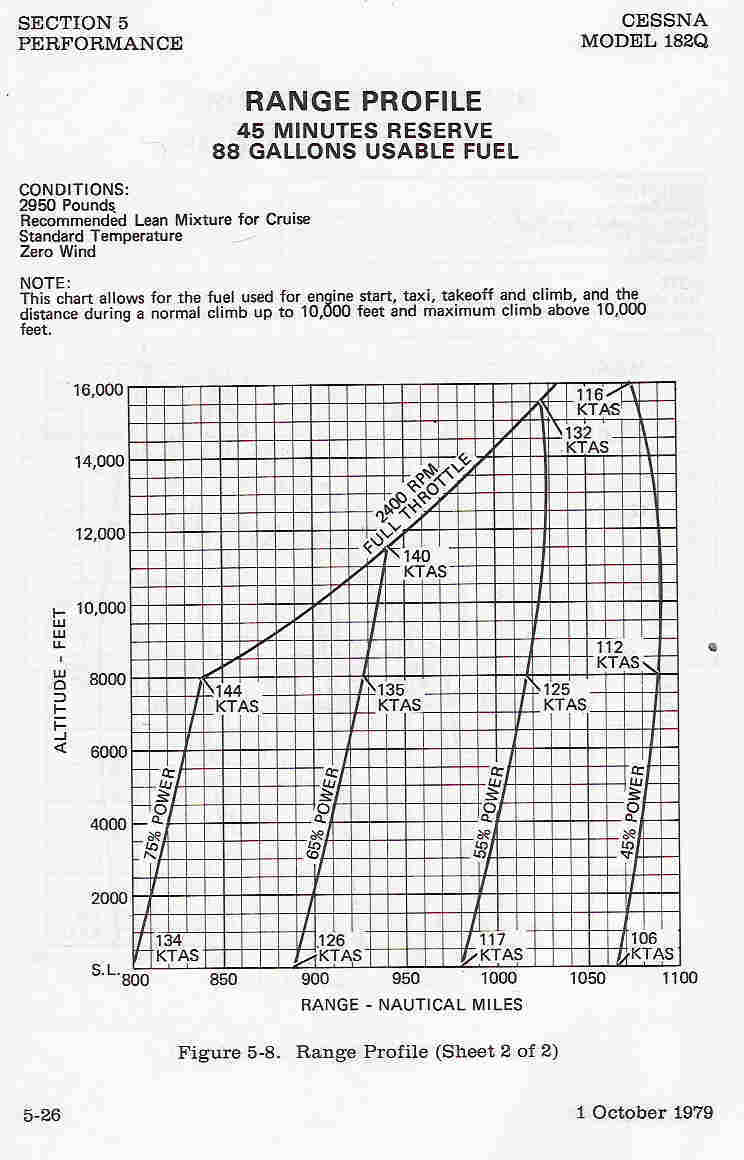
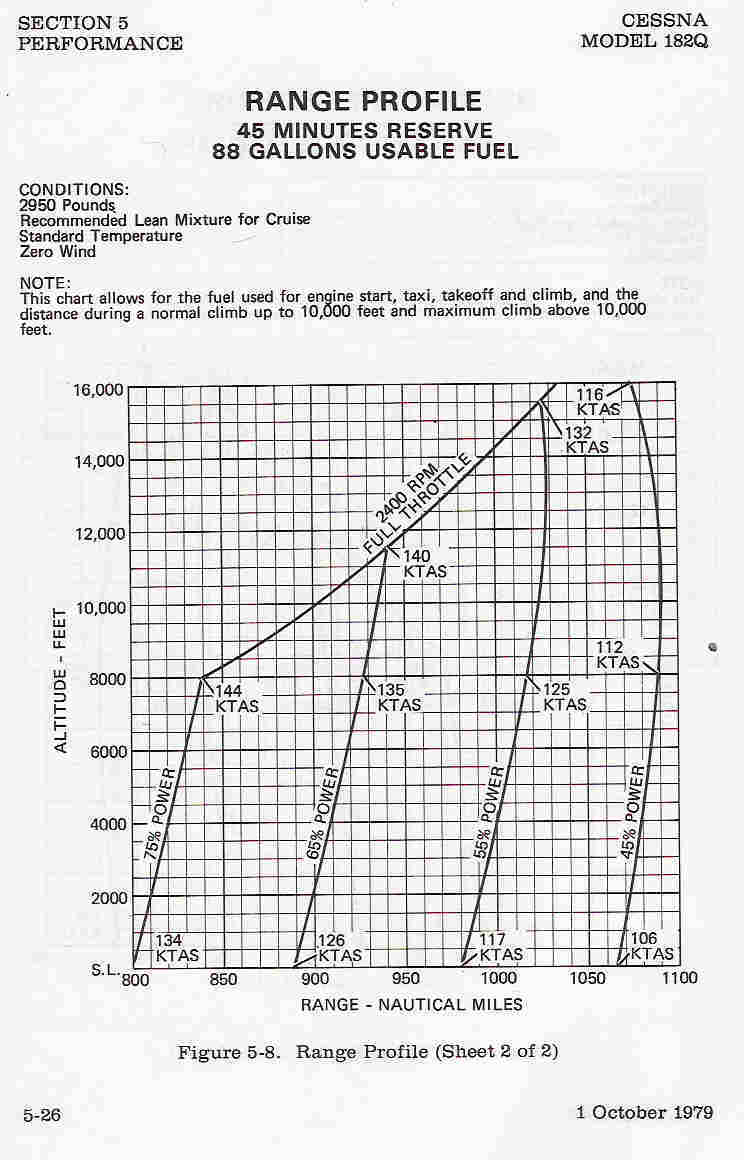
Now, wouldn?t that apply to flying as well?  I wonder if it would
really work too.

Assuming you fly level at a given cruise altitude. Now you apply
more power and climb, perhaps 2000 ft. Then you throttle back to say
1500 or less rpm (~2500 rpm for rotaries) but maintain speed with
the elevator. After you are back to the same cruise altitude, you
apply power and climb up 2000 ft again and then you throttle back.
You repeat this as often as you want. Mind you, if you have
passengers, they may ask what the hell are you doing? Nevertheless,
it should get you further for the same amount of fuel. Are there any
takers out there to try that out? If would be nice to have that
theory tested.

Best Regards
Rolf Pfeiffer
The Rotary Engine NewsLetter.  Powered by Linux.
ACRE NL web site. http://home.earthlink.net/~rotaryeng/
Copyright 1998-2004 All world wide rights reserved.
Hi Rolf,

Finding a driving (or flying) technique to minimize fuel consumption is
a completely separate issue from the point you made originally.

For the record, here is the quote from your original message that I am
dis-agreeing with :)
One thing though Paul is, that when driving on a stretch with high
hills up and down again, you always burn less fuel on average for the
total trip as the extra fuel for climbing is less than the fuel you
save going down hill.
My initial response was that you never burn less fuel going up and down.
Paul pointed out that engine effeciency varies with operating conditons,
and I had not considered that, but will now.  The conditions examined
will be for a constant speed traveling level vs up and down a hill for
the same distance.  What I suspect I will find is that in limited
situations fuel economy can be better on the hill.  As a general rule, I
consider it highly unlikely.

Cheers,
Bob White

--
http://www.bob-white.com
N93BD - Rotary Powered BD-4 (soon)
Me too :)

Paul Lamar
Hi Bob,
I agree that we are talking about two concepts. I thought that was apparent,
as I started out with "The other point ..."
The topics are:
1) Lower gas mileage in a hilly terrain.
2) Stretching your distance per amount of fuel by speeding up and coasting to
a stop.

Regarding Point 1) If you can't agree that going up a hill does not require
double the fuel in MPG, but only slightly more, and secondly, that you burn no
fuel at all going down hill with the engine off, as per my first, most severe
scenario, then there is no point in discussing it further.

I also wonder what "thermodynamic" law here applies.

Since you consider it "unlikely". Why not give it a try? When we were driving
around in Austria and Switzerland, the gas mileage was always better than say
in Germany or France.

Rolf
That could have been due to  altitude alone Rolf. Airplanes get better
MPG up high.

BTW I agree with you on point 2. but not necessarily on point 1.
On point 1. it depends....

Paul Lamar

The Rotary Engine NewsLetter.  Powered by Linux.
ACRE NL web site. http://home.earthlink.net/~rotaryeng/
Copyright 1998-2004 All world wide rights reserved.