Hi Paul, what do you mean by Chev Small Block based V12 Thunder Mustang? Is it 1
and1/2 SBC motors, like in a Lyc360/540 idea?  Dave McC
Yes basically. The cylinder spacing, rod length, rod journal diameter,
main journal diameter, cylinder bore, valves sizes, etc., etc., are more or less
the same as the Chev small block. No doubt it has 50% more power but the
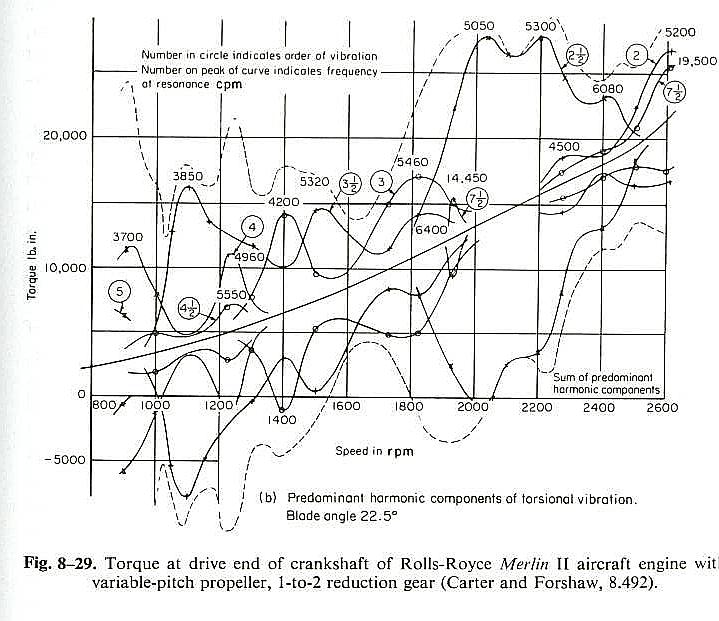
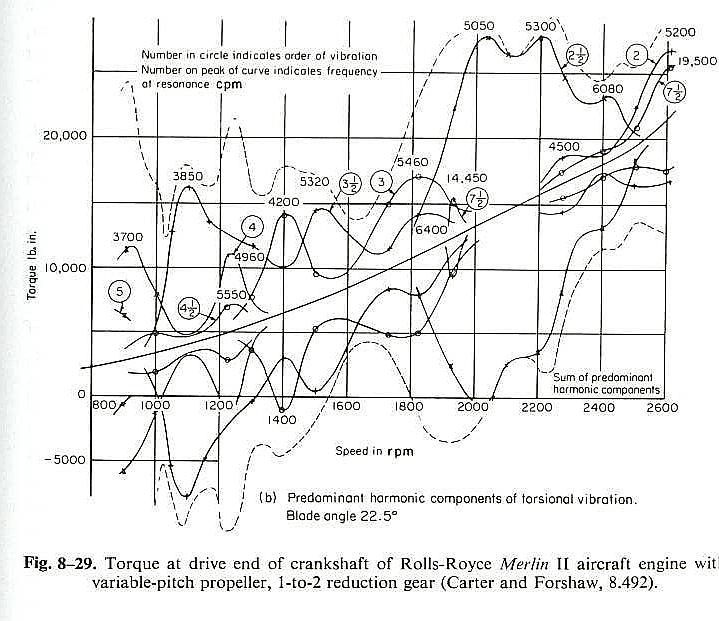
structurally life is probably less as the crankshaft torsional problem is
far more severe due to the extra length. It took Rolls Royce years to solve
the V12 crankshaft torsional problems and then they never got it much
above 1200 hours TBO. Of course the life of a Mustang or Spitfire
in combat in WW II was rarely more than 300 hours due to other factors.

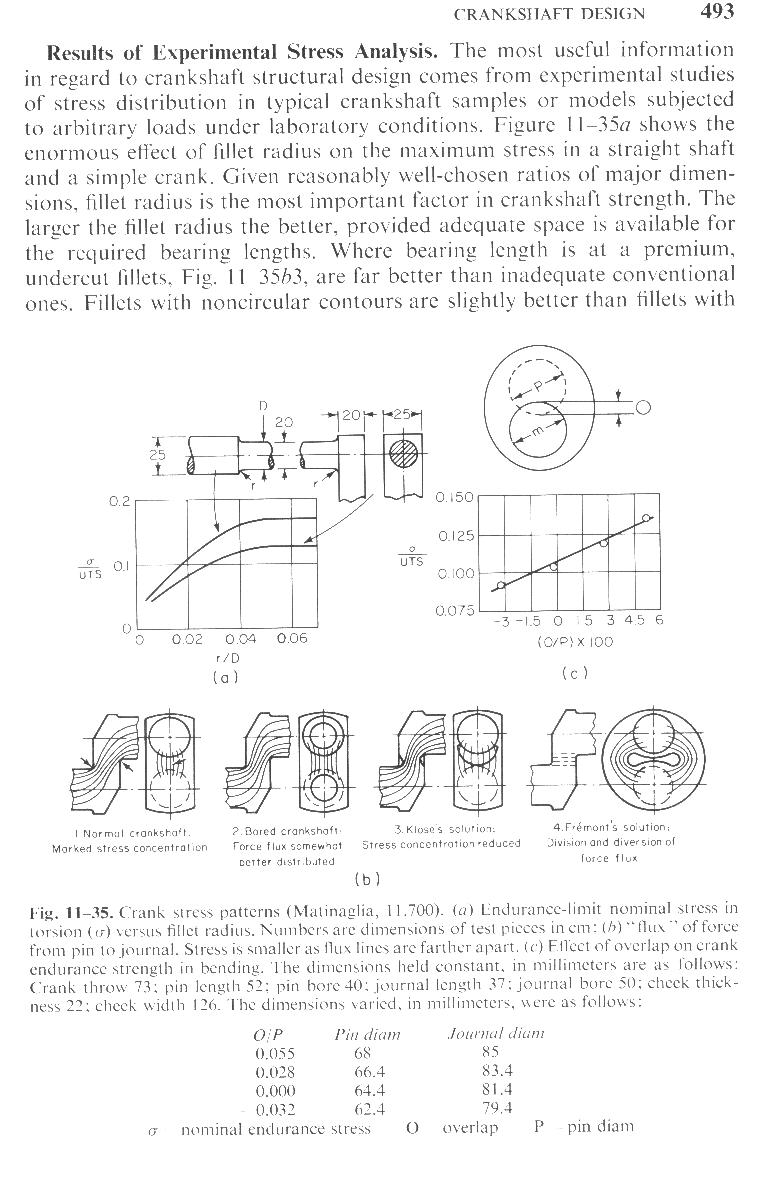
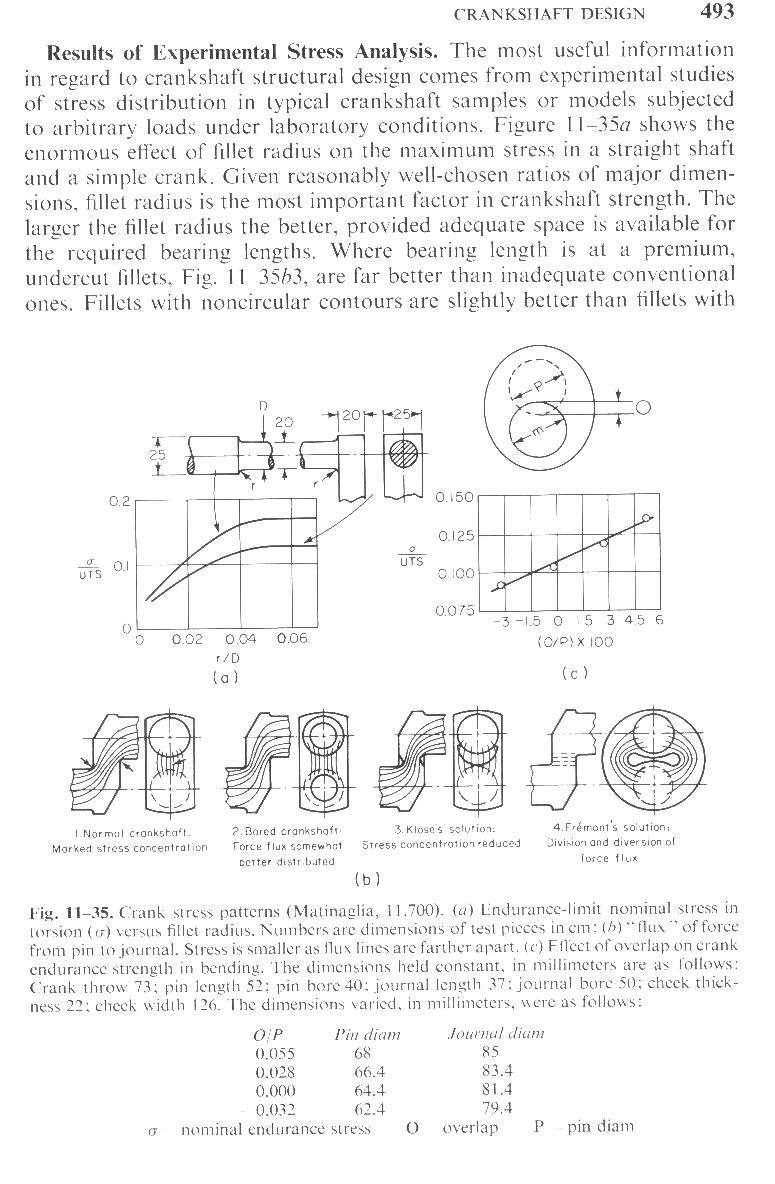
According to Taylor the major problem with automotive cranks is fillet radius.
The automotive engine cylinder spacing is too close to allow adequate fillet
radius in the crank cheeks. This was a major factor in the downfall and bankruptcy of
the Chev big block based  Orenda V8 aircraft engine. If you are going
to design a V8 or V12 aircraft piston engine you need to start with a clean
sheet of paper. V engines (and all other inline piston engines)
are trying to shove their crankshafts through the bottom of the blocks.
A horizontal opposed engine will weigh less due to the more efficient
structure. Lycoming built some horizontal opposed air cooled 8 cylinder engines
and they too had problems with the crank despite the wider cylinder spacing.

The beauty of the Wankel on the other hand is the shaft is straight through
yielding no concentrated stress problems up through four rotors and maybe more.

Paul Lamar

The Rotary Engine NewsLetter.  Powered by Linux.
ACRE NL web site. http://home.earthlink.net/~rotaryeng/
Copyright 1998-2004 All world wide rights reserved.