Paul,
You seem to have a lot of surface area with this design, which is
good --
because you are going to need it. The oil that you are removing the heat
from in the oil pan is essentially quiescent (sp?), it will be flowing
very
slowly across the heat transfer surface, essentially by natural
convection
as it dribbles down the channels from the top of the oil pan to the
pick-up
point on the bottom. The average velocity in an oil channel will be much
lower than in a conventional Mazda oil cooler, because there are more
channels.

The trade-off will be whether the increased surface area compensates for
the
lower heat transfer coefficient on the oil side.

Bill Schertz
KIS Cruiser # 4045
Yes I totally agree Bill. Performance is very questionably. One thing it
has going for it
is the air tubes are always surrounded by oil. The oil level would be
right
up to the top of the pan. It is a configuration not covered in the Kays &
London
Compact Heat Exchanger book to my knowledge. Would be interesting
to build and test a small scale version using a hot plate and pump to
continuously heat
a small quantity of oil. Perhaps I can get a thermo  professor at UCLA to
do an analysis or a test set up. We could try that with and without fins
on the
oil side.

Another problem is the length of the air channels. By the time the air
gets to the
back of the pan the air temp should be significantly higher reducing the
delta
T and therefore the rate of heat transfer.

I think it might also benefit from a thermal insulator between pan and
engine.
It remains an interesting idea and would simplify the under the cowl
situation if it
worked.

Paul Lamar
Paul,
This is only a suggestion - how about a wedge shaped duct to the side of the
pan and another on the other side to take the hot air away.
This should reduce the distance the air has to travel, the wedge should
provide increased pressure/density and therefore heat transfer.
George (down under)
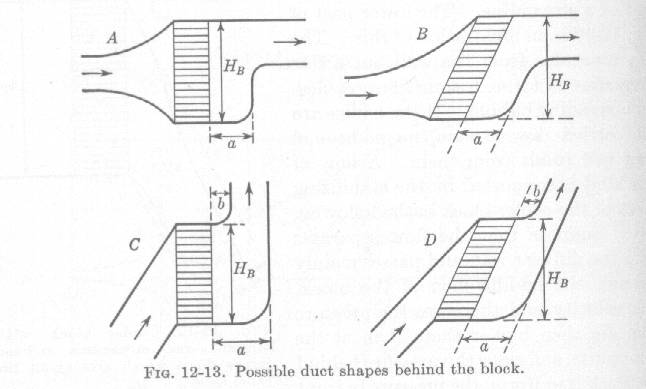
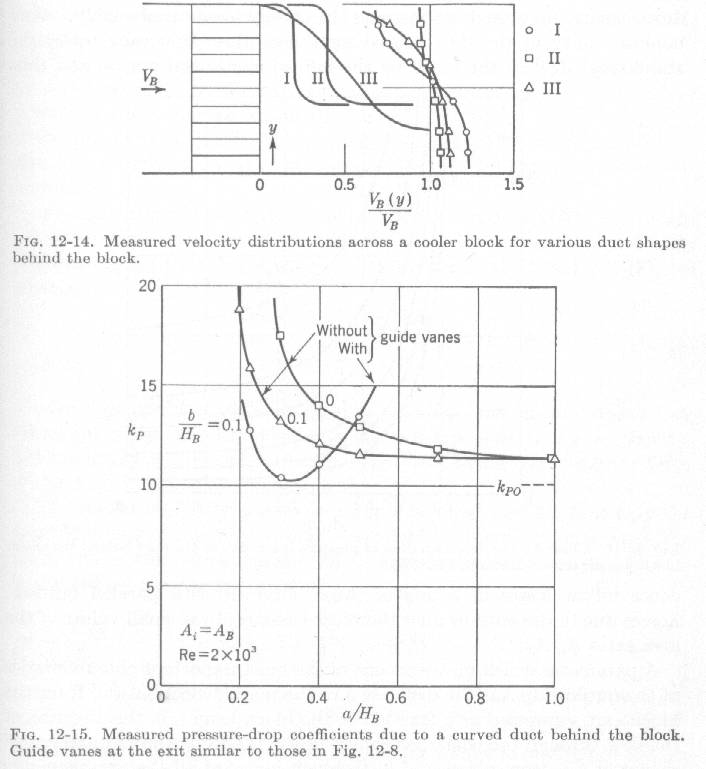
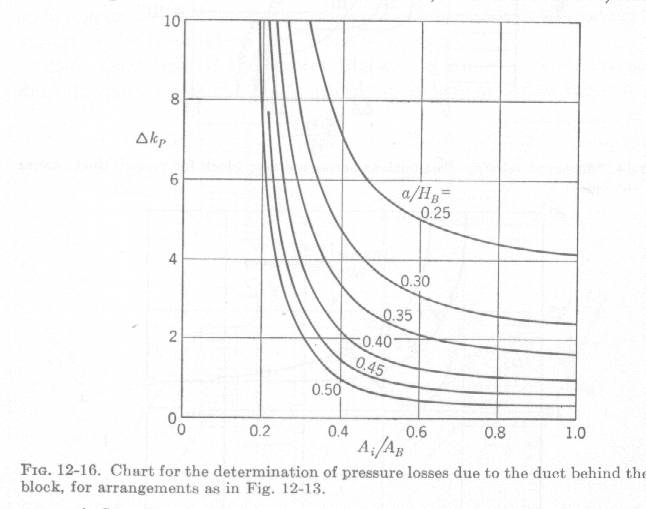
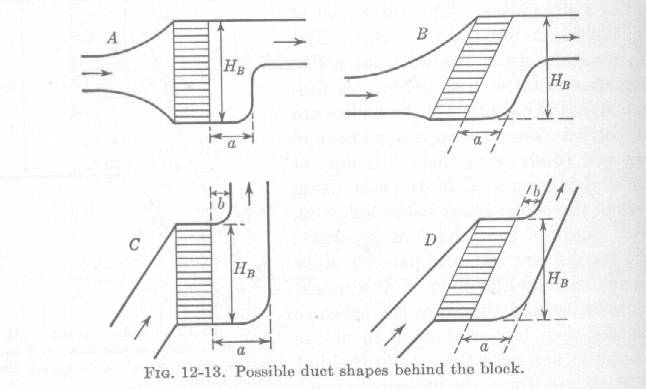
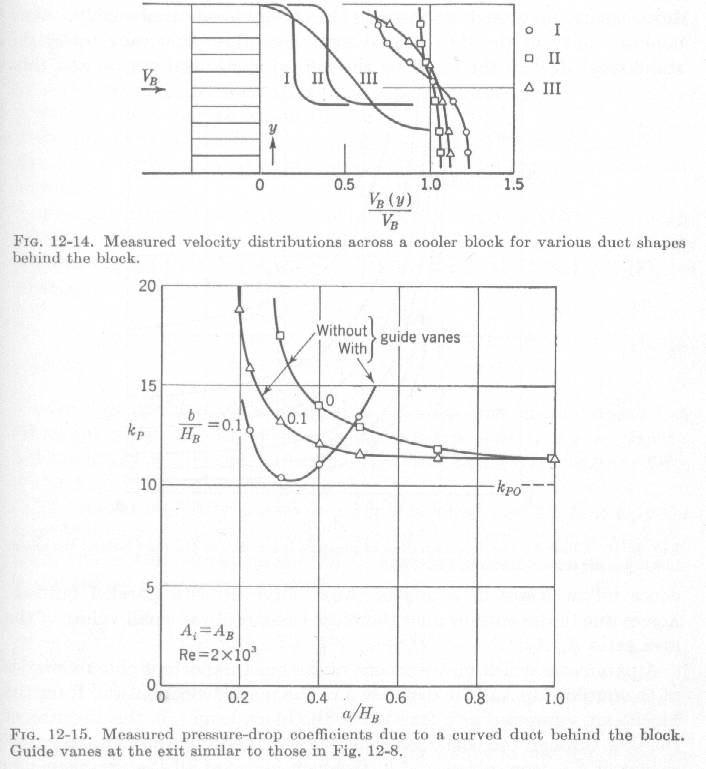
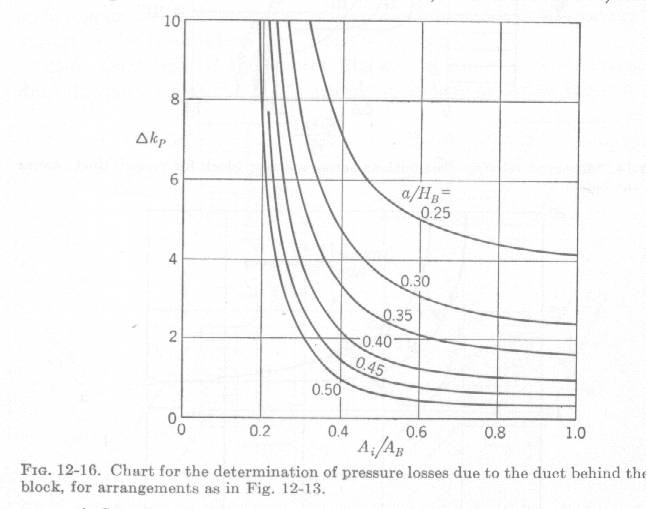
Wedge shaped ducts on the outlet side are a no no.
The air needs to comes straight out for at least ten inches.
Here are some K&M graphs on the subject.


Paul Lamar

The Rotary Engine NewsLetter.  Powered by Linux.
ACRE NL web site. http://home.earthlink.net/~rotaryeng/
Copyright 1998-2004 All world wide rights reserved.