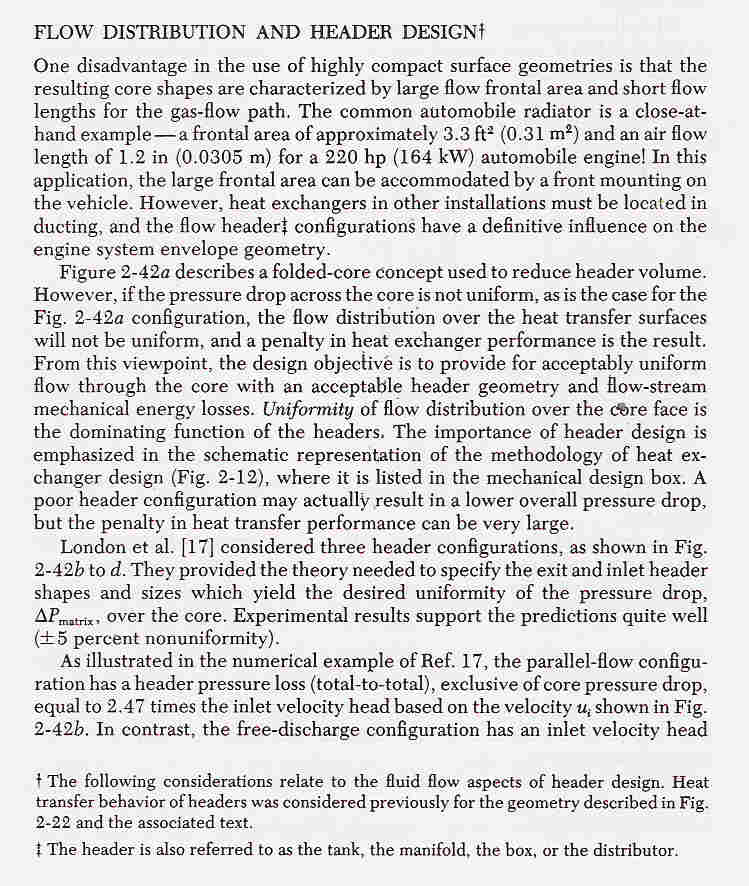
Apparently as the velocity of the air changes in the heat exchanger
the efficiency of the radiator increases or decreases. Interesting.

Of course we have little control over this and are forced to use
what radiators are available. We can however look at the details
of a radiator and compare them to configurations in Kays and London
and perhaps choose something that is more suited to our purposes.
For example comparing a evaporator core with a water radiator.

This does not, as far as I can tell, address the pressure drop through
the water tubes or the HP required to pump a given amount of water
per minute through those tubes. That is probably in the book but I have
yet to run across it.

Paul Lamar
Marc de Piolenc wrote:
The velocity of the air through the radiator is under the designer's
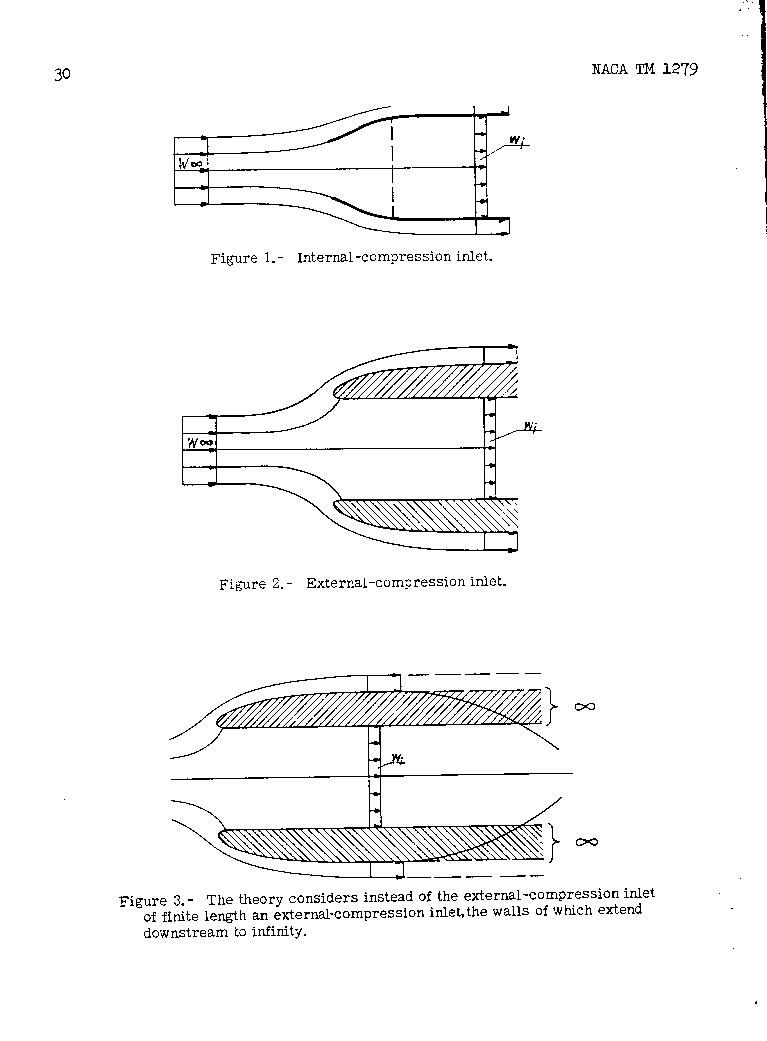
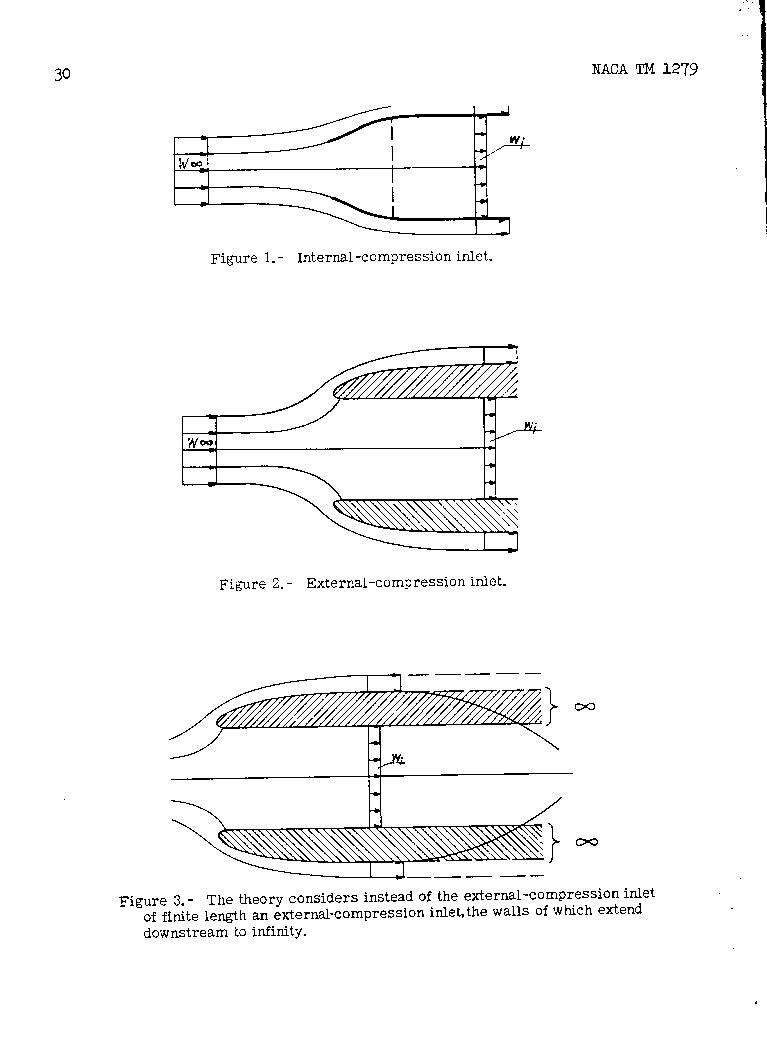
control to a large degree, and we can (and should) diffuse the flow
coming into the radiator, not only to regain the static pressure drop
through the radiator but to optimise airspeed through it. Kuechemann
and Weber have quite a nice catalog of tricks in their book
Aerodynamics of Propulsion for achieving this at a minimal cost in
frontal area, thus controlling the external drag penalty. As for the
internal pressure drops, a lot of work has been done on that topic in
connection with heating and air-conditioning systems, so the data
should be in the ASHRAE handbook or the like. (I have to admit I
haven't started on that line of research yet - still too busy trying
to get a valid set of nondimensional parameters for unsteady-flow
ejectors.)

Marc
"The velocity of the air through the radiator is under the designer's
control to a large degree, and we can (and should) diffuse the flow
coming into the radiator, not only to regain the static pressure drop
through the radiator but to optimize airspeed through it."

I am not sure what you mean by that Marc. I know what a diffuser is supposed to
do. Do you mean we can control the air velocity by changing the design or the
thickness of the core? Also given a required core volume there are practical
limitations on its size and thickness due to cowl considerations.

You certainly are limited by the dynamic pressure. There is another consideration
and that is the porosity of the core. If the porosity is too low a phenomena
called external diffusion will occur limiting the core air velocity regardless of
the scoop and duct shape. I think we have a limited ability to change the porosity
unless one has enough money to design and build a custom radiator.

The K&M classic bell or trumpet shaped diffuser duct is impractical for use under
the cowl due to its required length.

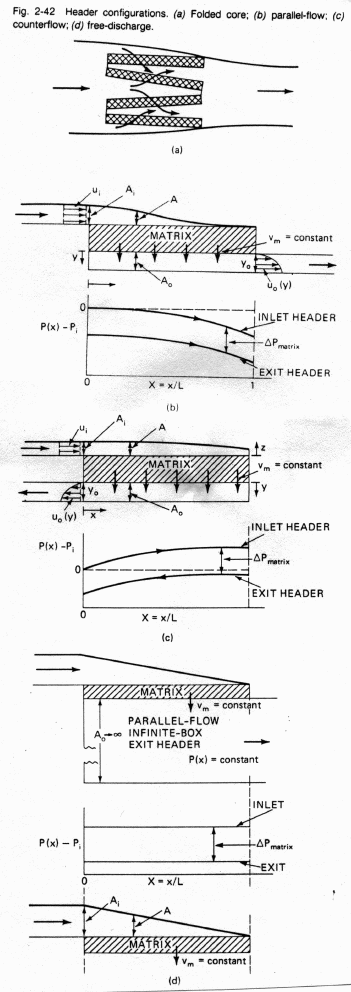
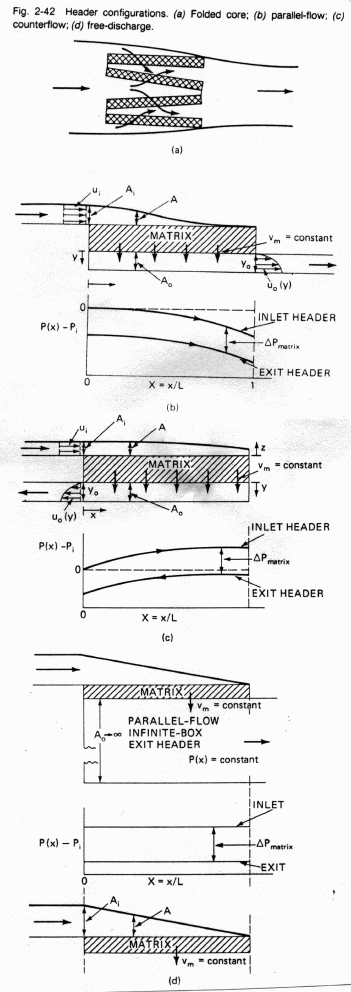
The Kays & London wedge shaped "header" in affect is a diffuser and
is much more suitable to our needs being no longer than the rad.


Paul Lamar

The Rotary Engine NewsLetter.  Powered by Linux.
ACRE NL web site. http://home.earthlink.net/~rotaryeng/
Copyright 1998-2004 All world wide rights reserved.