George Lendich wrote:
"The velocity of the air through the radiator is under the designer's
control to a large degree, and we can (and should) diffuse the flow
coming into the radiator, not only to regain the static pressure drop
through the radiator but to optimize airspeed through it."
I am not sure what you mean by that Marc. I know what a diffuser is
supposed to
do. Do you mean we can control the air velocity by changing the design
or
the
thickness of the core? Also given a required core volume there are
practical
limitations on its size and thickness due to cowl considerations.

You certainly are limited by the dynamic pressure. There is another
consideration
and that is the porosity of the core. If the porosity is too low a
phenomena
called external diffusion will occur limiting the core air velocity
regardless of
the scoop and duct shape. I think we have a limited ability to change
the
porosity
unless one has enough money to design and build a custom radiator.

The K&M classic bell or trumpet shaped diffuser duct is impractical for
use under
the cowl due to its required length.

The Kays & London wedge shaped "header" in affect is a diffuser and
is much more suitable to our needs being no longer than the rad.


Paul Lamar
George Lendich wrote:
Paul,
My thoughts in regard to limiting drag, maximizing density and velocity -
is
to first identify the air flow restriction ( through the Radiator) which
ever radiator you plan to use, and place a pressure sensor in the inlet,
with an adjustable pressure release valve to the cowl and exit.
Is that too complex ?
George ( down under)
No but it sounds like a cowl flap :) Which is an excellent idea.

Paul Lamar
george wright wrote:
question.  it seems to me that the temperature of the airflow downstream of
the radiator is an indicator of heat transfer efficiency or the adequacy of
the inlet flow for a given speed condition.  I seem to remember that one of
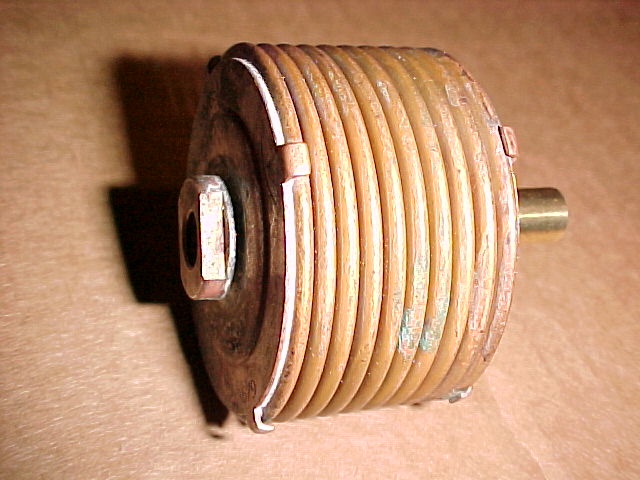
Tony Bingelis's books had something about a heat based bellows actuator used
on Porsche engines that he'd seen as an automatic cowl flap actuator.
Perhaps you design for the worst case flow condition and use something
similar to vary the inlet as needed.  The outlet would be fixed area for the
worst condition which should minimize back flow, the delta P should allow
good flow through the radiator.  I suppose you could also "pump" it with an
ejector, but I wonder about the packaging and its effects on firewall
forward cross-section?
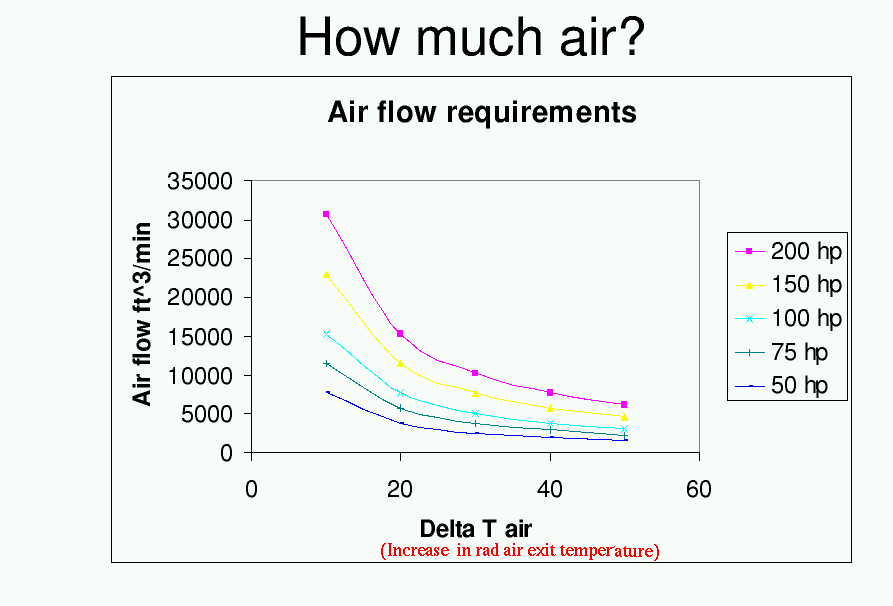
You need to know two things. The temperature and the volume of flow.

Bill Schertz addressed those issues with his presentation at Rotary Roundup
You can download a complete pdf of his presentation at Bob White's web site.

http://www.bob-white.com/ACRE/

In the mean time here is one of Bill's pertinent charts.

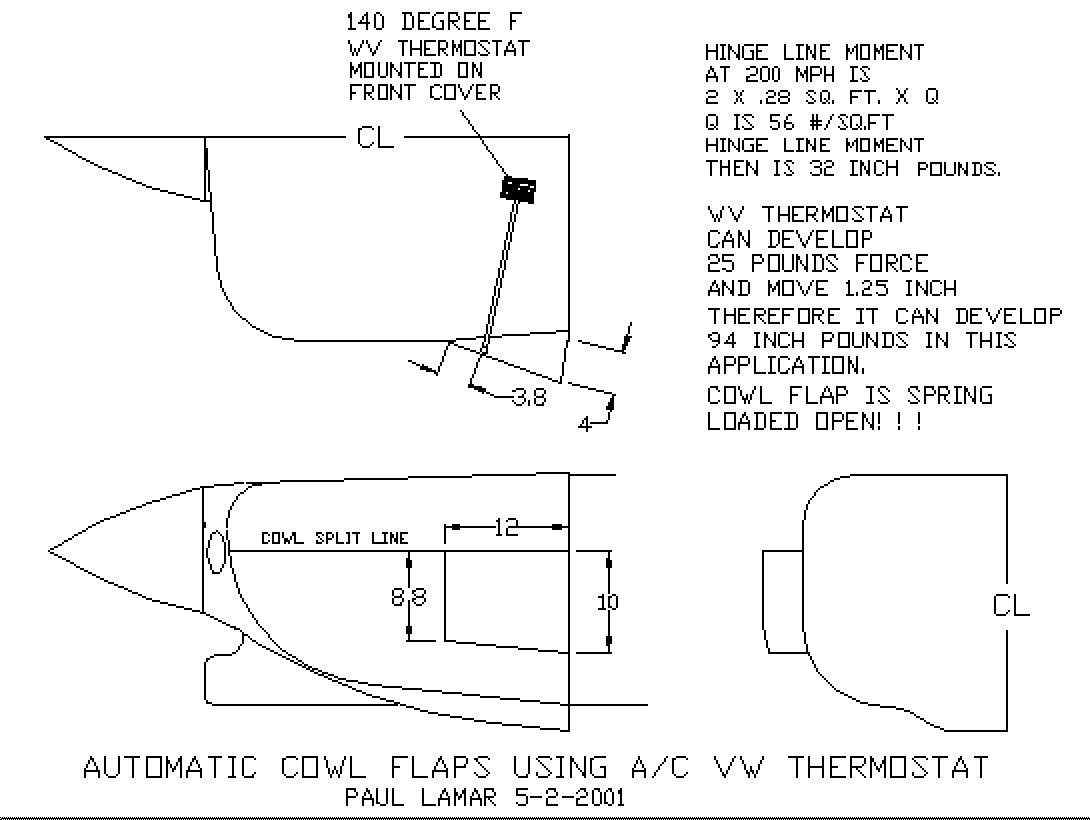
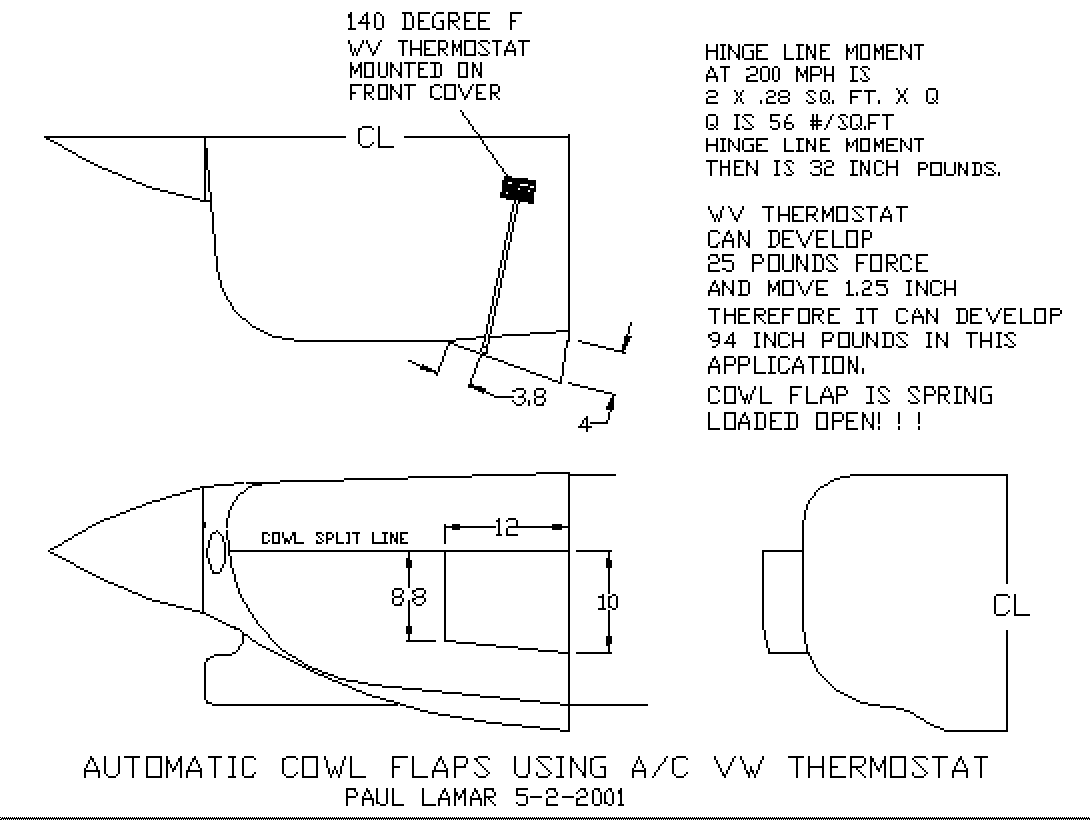
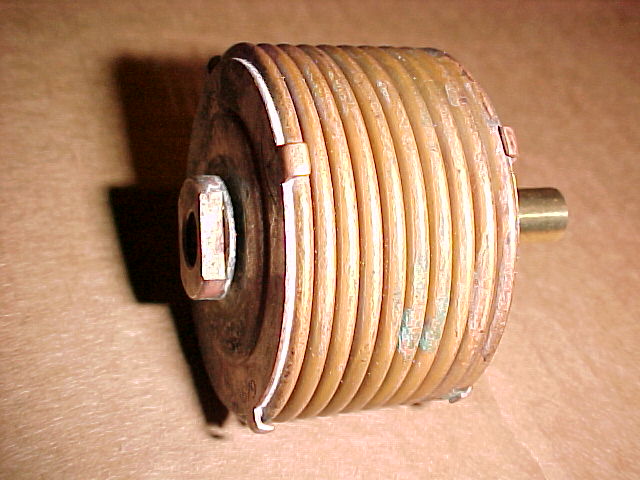
Yes. Tony advocated the use of a air cooled VW thermostat to control
the cowl flap. Here is an old sketch and simple calcualtion I did on
the subject awhile back.

Paul Lamar

The Rotary Engine NewsLetter.  Powered by Linux.
ACRE NL web site. http://home.earthlink.net/~rotaryeng/
Copyright 1998-2004 All world wide rights reserved.