A kind person loaned me a Mezier electric water pump to run some numbers
on. I want to thank you for that.

First thing I noticed was the 20 AMP fuse in the 12 gage motor
wiring. Whoa! Wait a minute! That is a limit of 20 amps times 13 volts or 260 watts
or .35 HP. As soon as you put some back pressure on this pump either
the impeller will cavitate or the fuse will blow. The stock pump handles
ten times that amount of HP or around 3.

Then I took it apart and saw the unsophisticated toy impeller and decided
testing it was a waste of time. A stock Mazda second gen impeller looks
like rocket science along side this toy. I expected a much better design
based on the questionable advertising claims.

The inlet and out let holes are limited AN -12 or 3/4 inch ID.
No way in hell are you going to get much flow through 3/4 inch holes both
on the inlet and the outlet. That is .44 square inches and the usual
water plumbing is 1.5 inch or 1.76 square inches or four times more
flow area. No way to increase the size of this plumbing.
In order to test this pump I would need to adapt the 3/4 inch plumbing
to the 1-1/2 plumbing of my water pump test rig. Not worth it!!!

Using this pump in a high powered aircraft engine risks cracking the
rotor housings due to local if not over all overheating.

Paul Lamar
There are still people out there that think these things work, I think
you should test it so we know what it's limits are.

Perry
Any test I could do using my flow meter set up would be flawed due to adapting
the 3/4 pump plumbing to the 1.5 inch flow meter plumbing.
I think there would be a huge pressure drop on the inlet side and the outlet
side from inside the electric pump point of view. What the pressure is inside
the pump would be academic except for the fact it affects the cavitation speed.
I am unwilling to drill and tap the pump body to measure this pressure change.

As far as I am concerned this is just a toy pump. It will not come close
to the stock pump performance when confronted by the overall flow resistance
of the cooling system at the flow rate required to cool the engine at high power.

This pump also weighs 5 pounds. A bit less than the stock cast iron second gen pump
(6 lbs) but more than a 3rd gen and RX8 pump.

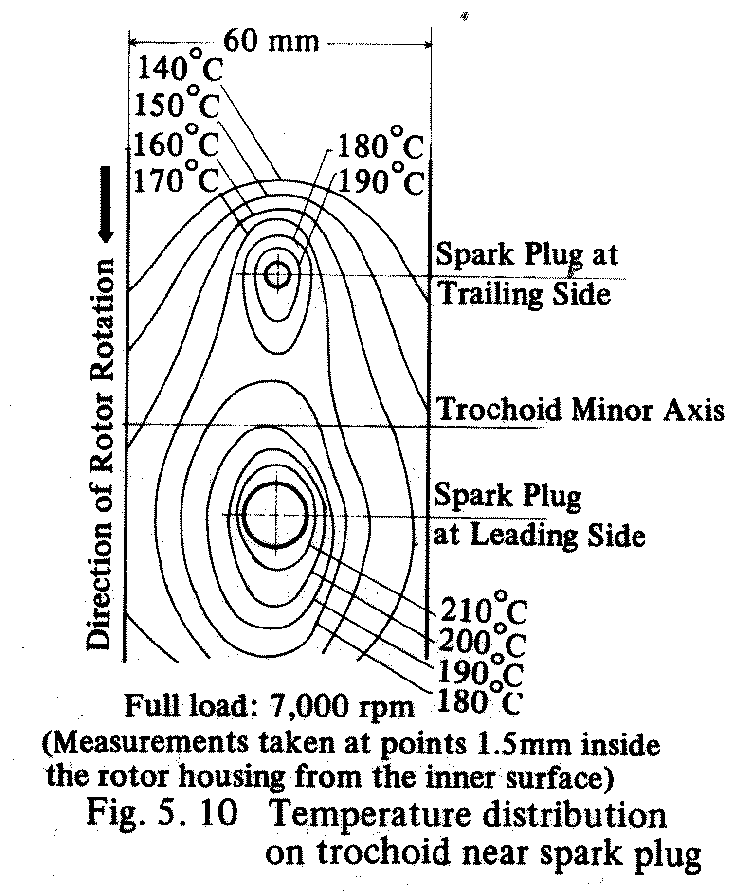
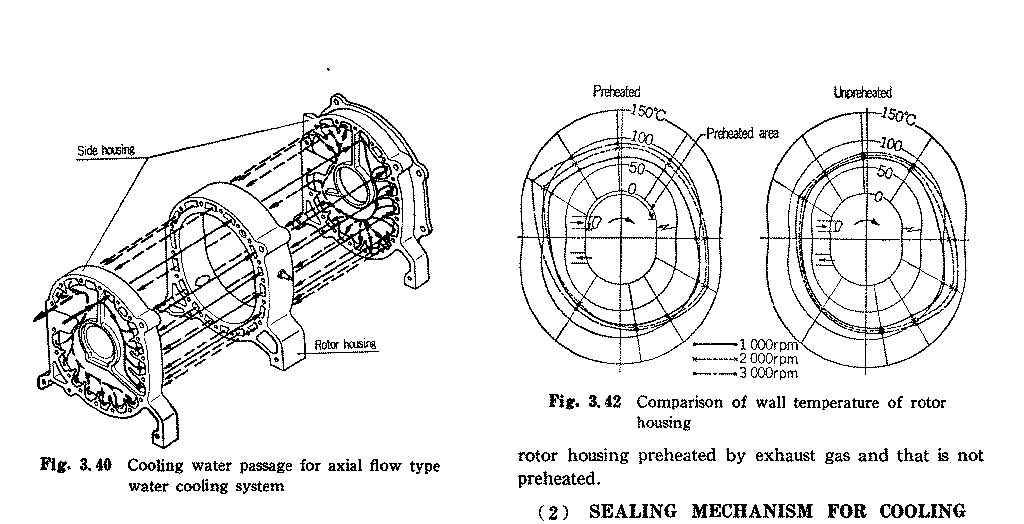
There is another factor that affects the required flow in the engine and that is the
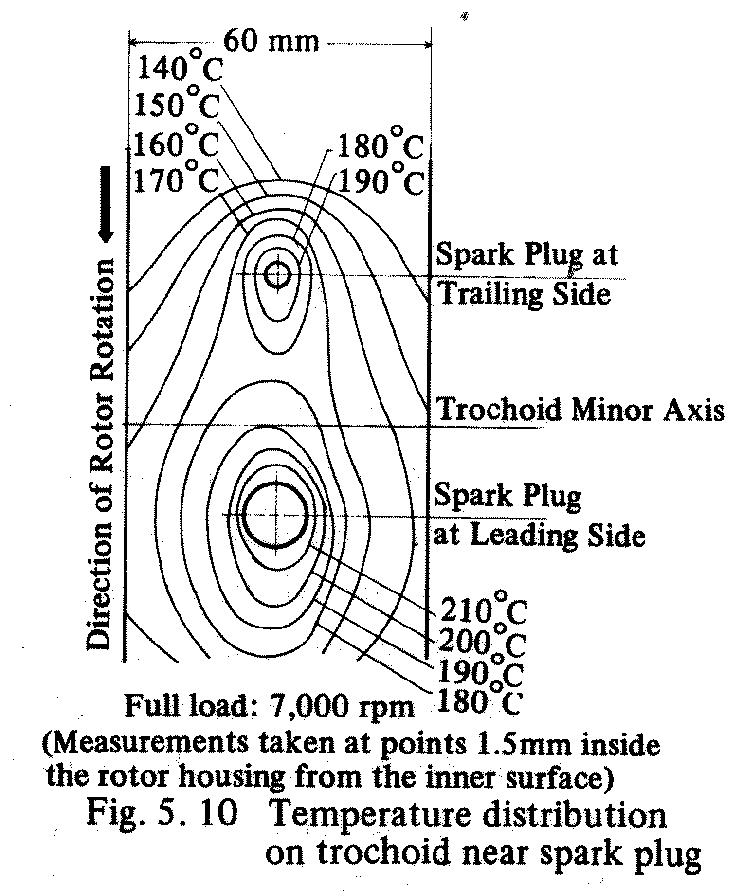
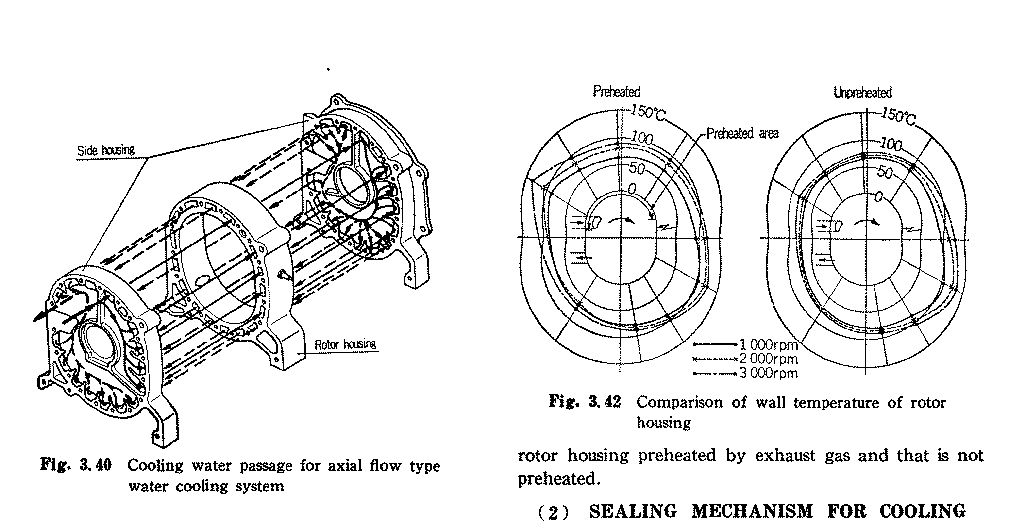
serial nature of the Mazda cooling system. Water first flows through the front
rotor housing picking up heat in the process. It then flows through the aft rotor
housing and does not cool it as well as it did the front. IMHO one reason
way most people have trouble with the aft rotor first as far as detonation
and apex seal problems are concerned.

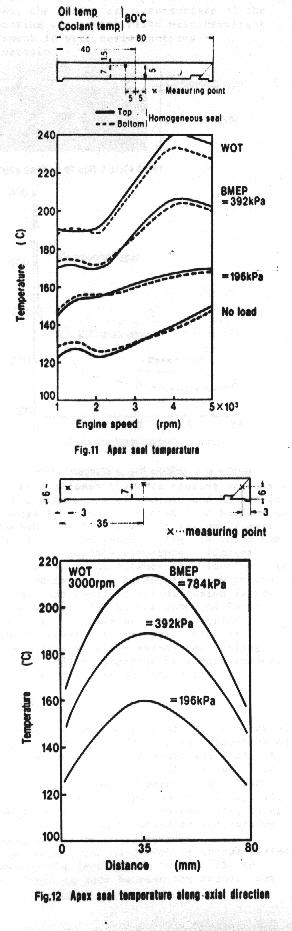
The apex seal looses heat to and is cooled by the rotor housing. The hotter the
rotor housing the less it cools the apex seal. The apex seal warps or goes into a
banana shape as it heats up. It normally runs about 500 F at its center. IMHO one
reason the racers see a loss in power at coolant temperatures over 180 F.

If you keep the flow rate up the two rotor housings will run at less of a temperature
difference and the better the heat transfer from rotor housing metal to coolant.

To quote Kays & London:

"It can be readily shown that for most flow passages that might be used for
the heat transfer surfaces of an exchanger, the heat transfer rate per unit
of surface area can be increased by increasing fluid-flow velocity, and this
rate varies as something less than the first power of the velocity."

Paul Lamar

The Rotary Engine NewsLetter.  Powered by Linux.
ACRE NL web site. http://home.earthlink.net/~rotaryeng/
Copyright 1998-2004 All world wide rights reserved.