One can screw around with injectors and intake heat until one is blue in
the face but one is wasting ones time. Unburned fuel is a very small part of
the overall efficiency  loss of the engine. Less than 10%. The rotary combustion
chamber will never be as good as a cylinder let alone a sphere.

On the other hand if one focuses on the single largest potential part of
the lost heat equation, namely the 36% waste exhaust heat, the aircraft engine
world market will beat a path to ones door. The technology is 60 years old for
*&^% sakes. Sheesss! TURBO COMPOUND IS THE ANSWER!

The downfall of the old turbo compound engine was the exhaust valve.
Pray tell me; where is the exhaust valve in a rotary?
This means Lycoming and Continental cannot copy you as their
exhaust valves are now at the absolute limits of their durability.

For an aircraft engine forget the the variable ratio part of this
friction drive gear box. Just optimize it for cruise RPM since you have
a constant speed prop.

This is the umpteenth zillion time I have mentioned turbo compound on this
newsletter.

Paul Lamar
I have put considerable thought and no little amount of R&D on the TC gear box
problem. The friction drive and the gear drive have their pros and cons.
The limit with gears is the mesh line speed. The major problem with
friction drive is the thrust bearing requirements are severe.

A major insight has just occurred to me. The answer for the gear option is
to limit the turbo charger RPM to 65,000. How do we do that? Simple!
We use a small A/R turbine. In other words a large diameter turbine wheel.
The A/R ratio is the area of the turbine nozzle divided by the radius
of the turbine wheel. To get the HP out of a large turbine wheel we need
a small area nozzle. Hence a small A/R. In other words we are going for
the torque.

Any number of compressors will give us the required 25 pounds per hour
of air at 65,000 RPM.

Paul Lamar
If you had perfect fuel vaporization and distribution you still would
not get much better than about .45 BSFC due to the fact the engine
is a rotating combustion chamber engine. As such this means extra heat
is lost to the coolant. This is also the reason the engine can tolerate
high HP through turbo charging without melting.

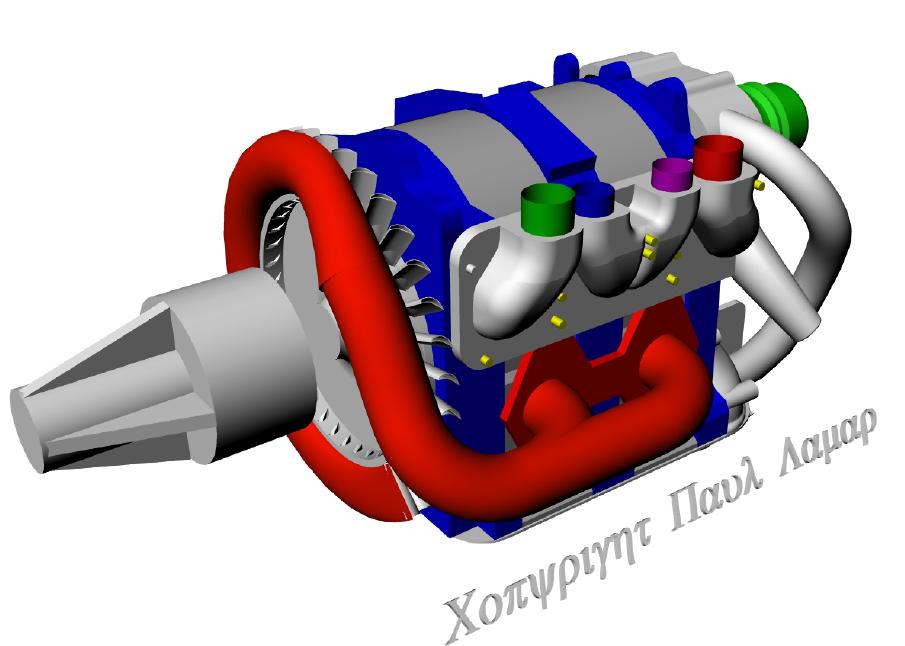
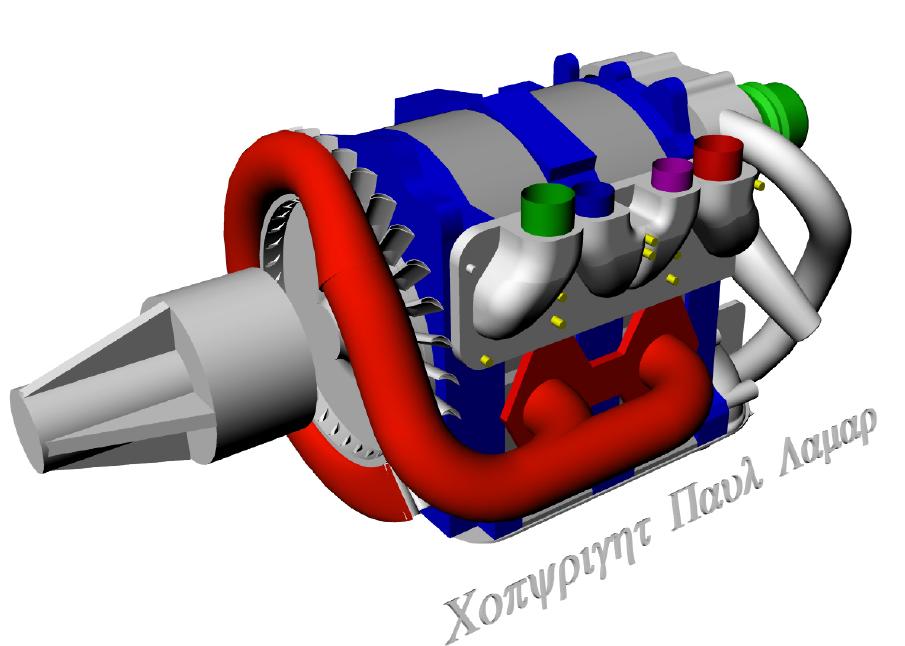
This NA configuration is the simplest way to turbo compound. The rotary is unique
among intermittent combustion engine in that it inherently
operates in the 5,000 to 10,000 RPM range. The same RPM range as a 12 inch gas
turbine. No gear box required. Mark Wrathal does not think it will work
but I am not convinced yet. The blades shown here are probably way too
long. I'll do a shorter blade version 3D in the future. Note the hollow air cooled
blades. Exhaust collector is not shown yet. A new GM starter/alternator
can be used to start the engine.

The turbo compound rotary is inherently more valuable than an aircraft piston
engine because the direct operating cost can be up to 20% lower in fuel cost.
Not to mention the much longer TBO with ceramic apex seals. No small pure
turbine engine can compete anywhere near this HP level in cost or BSFC.

The consequent 20% increase in range of the aircraft is something money can't
buy up until now.  Although the engine weight will be somewhat higher there will also
be available 20% more HP (40 HP) for take off. All this assumes one can match the level
of technology Curtiss Wright achieved with the R3350 TC 55 years ago.

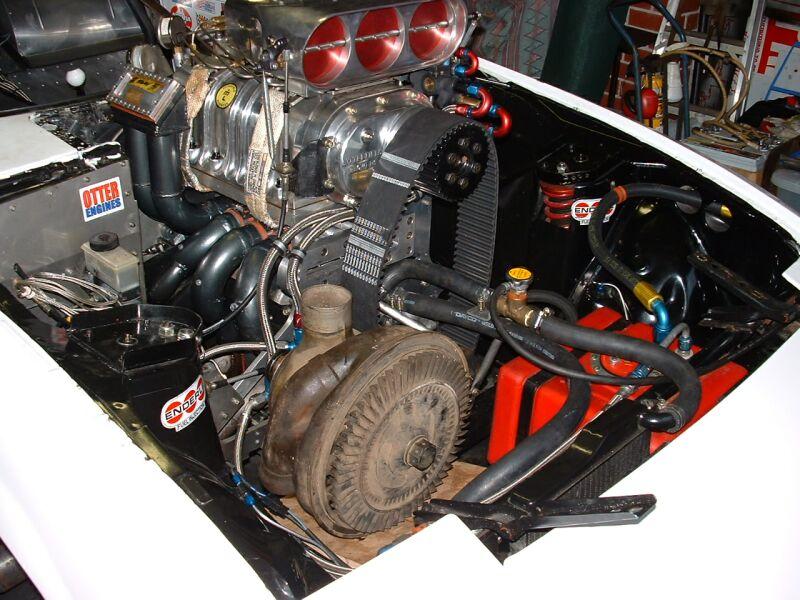
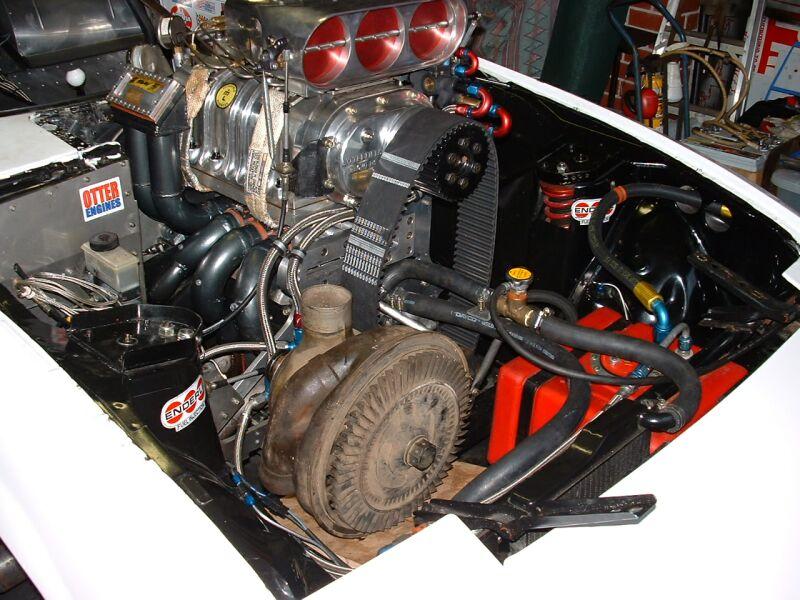
Paul Carey in WA has an R3350 TC blow down turbine and intends to marry it with his
blown 3 rotor. Each of the three R3350 TC turbines generated 300 HP so Paul's
turbine is about right for his 1200 to 1400 HP blown 3 rotor.

Paul Lamar

The Rotary Engine NewsLetter.  Powered by Linux.
ACRE NL web site. http://home.earthlink.net/~rotaryeng/
Copyright 1998-2004 All world wide rights reserved.