Monty wrote:
Be carefull using the newer parts from Garrett. The newer turbos, have more
efficient compressor wheels, however, the turbines are crap for efficiency.
The older turbines like the T4 are actually better from an efficiency stand
point. The reason is the newer turbines are designed to decrease back
pressure and increase throttle response, also to use higher specific speeds.

Specific speed is basically a measure of rpm vs. throughput. The older
turbines were designed to have high efficiency. The larger turbines like the
T45/51 and larger were designed to have low specific speeds. When they were
designed empirical methods were the only practical design method. The use of
CFD has allowed the newer designs to increase specific speed without
EXCESSIVE decrease in efficiency. There is still a loss involved with this
approach. That is another reason that the newer designs are less efficient.
They are more compact and lighter however.

The other drawback is parts availability. You can only buy complete turbo
chargers with the new turbos. If you need to fix it you must send in the
whole thing to a dealer/reman shop. There is no way to buy individual
components. There is no parts aftermarket. Honeywell is a piece of crap
company. Typical MBA run nightmare. They divide their market into OEM,
aftermarket, and performance. Of course the performance market takes it on
the chin with regards to price. For instance if you buy a T66 compressor
wheel from Turbonetics, it will cost you $200+. The same wheel, if you know
the part number from the aftermarket dealer will only cost $90. There is no
reference available for part numbers vs. model or part number vs.
performance data. Even in the same turbo series different turbine shaft dia,
shaft length, etc is common. It makes for a pretty expensive proposition to
order enough parts to find out what is going on.

I would think you would be better off using a newer turbo, but then use one
of the older more efficient turbines for your blow down turbine. You can
always modify the turbine to accept hybrid ceramic ball bearings. You will
run into problems with shaft size vs. bearing size. You need a large turbine
shaft to prevent shaft whirl, and a small one to accept the right bearings.
It depends on how the bearings are supported and how the shaft is
configured. I was not surprised to hear that Garrett was having problems
with shaft whirl. They are pushing the envelope with these new turbos from a
vibration standpoint.

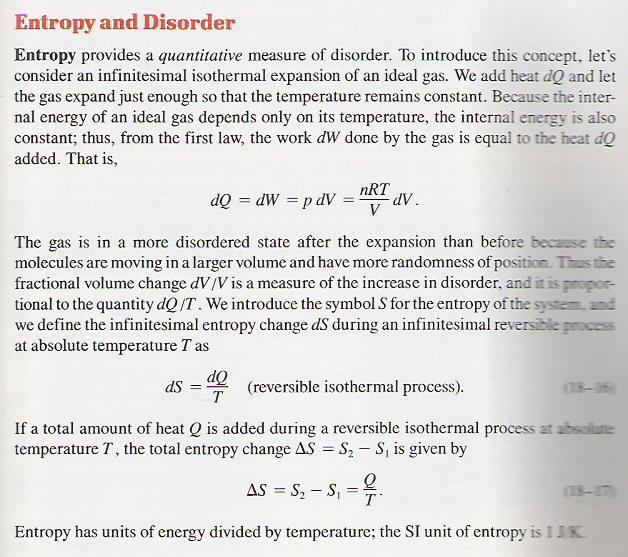
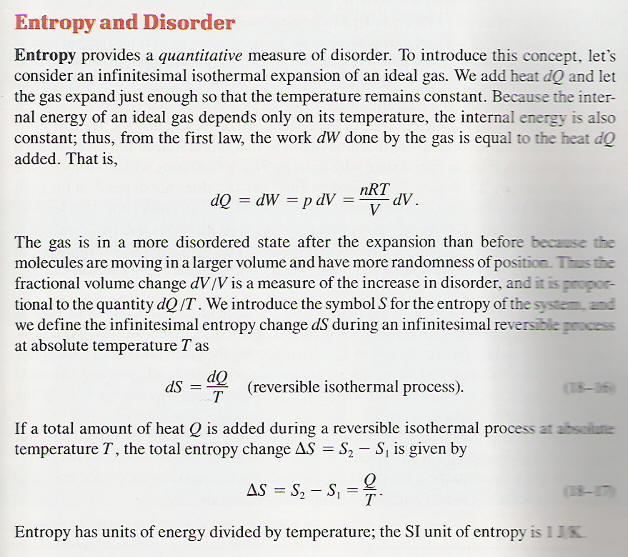
One other caveat of using a less efficient turbine for the turbocharger part
is- there is only so much entropy you can create before you have no work
left to extract from the exhaust stream. Any inefficiency will create
entropy. Therefore, if you go for the newer, lighter, but less efficient
turbo, the blow down turbine will not be able to extract as much power from
the exhaust gas.

The best case scenario would be to use a more efficient modern compressor
wheel with an older turbine. The problem is the specific speed would be
mismached. This may or may not be a problem depending on where the operating
point is on the map, and how broad the operating range is.  If you were to
use modern aerodynamics and CFD to design for low specific speed
you could get very high efficiencies- 80-90% depending on the operating
range size.

Unfortunately that is not the direction the automotive people have gone.
They have taken the smaller, lighter, but less efficient route. That is
their market.

Monty.

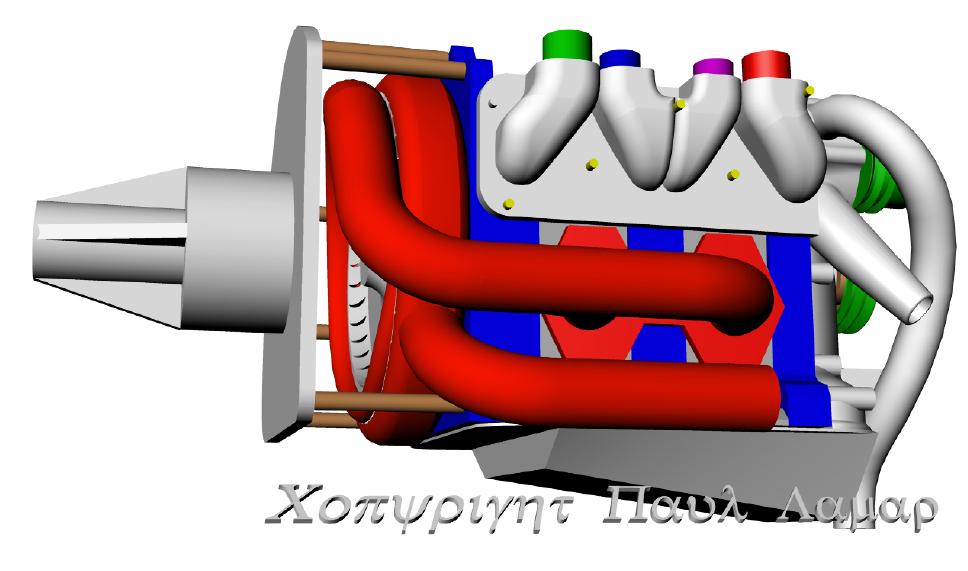
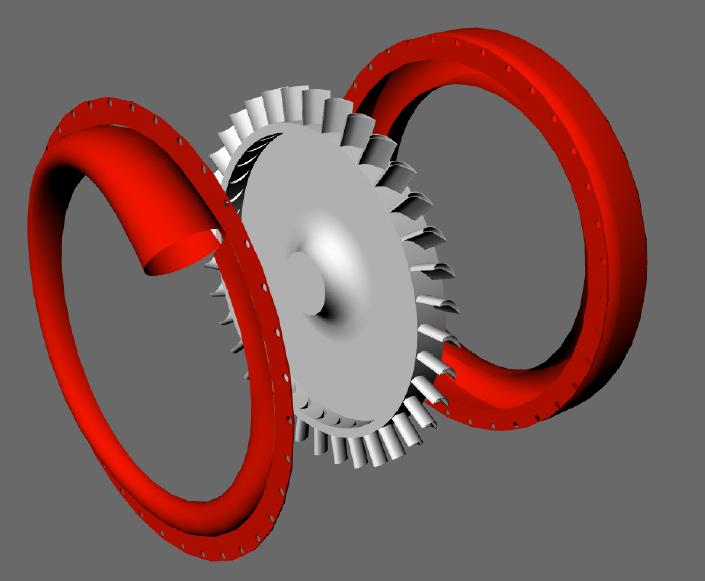
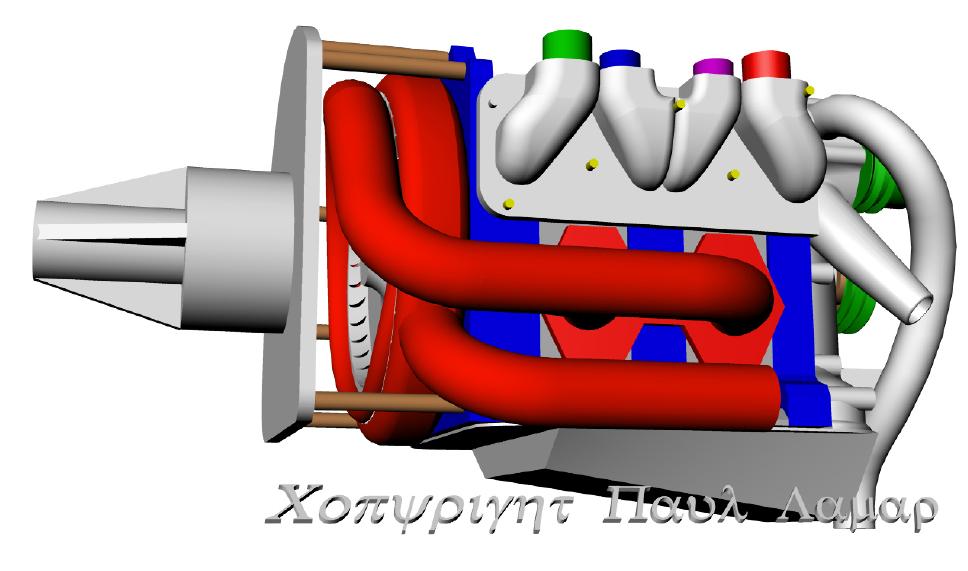
I have a question for you Monty. Is it better to design a 12 inch diameter blow down
direct drive turbine  running at 6000 to 7500 RPM or use a geared down
turbocharger type turbine?

Paul Lamar

The Rotary Engine NewsLetter.  Powered by Linux.
ACRE NL web site. http://home.earthlink.net/~rotaryeng/
Copyright 1998-2004 All world wide rights reserved.