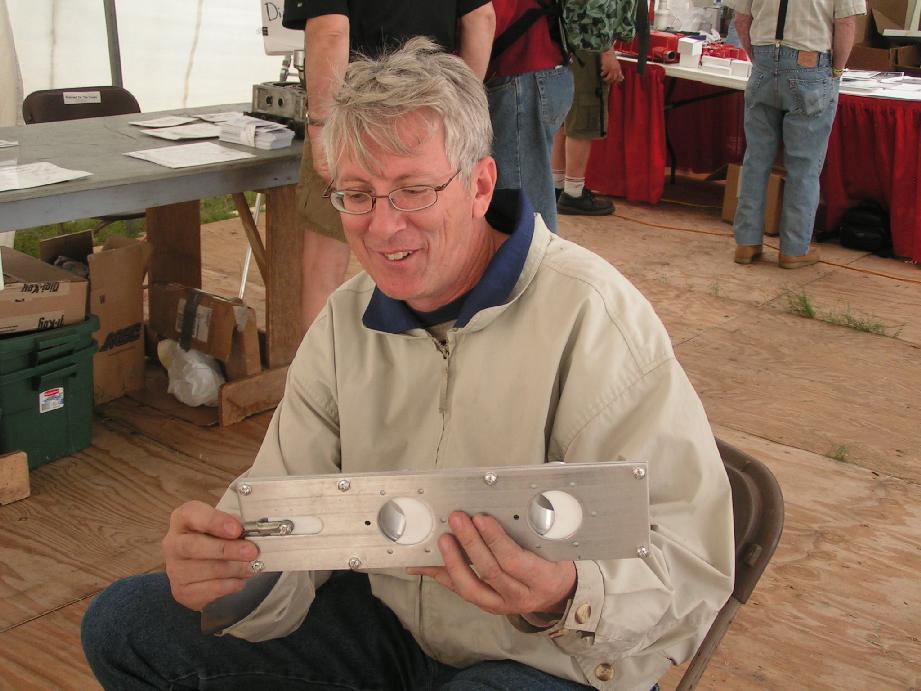
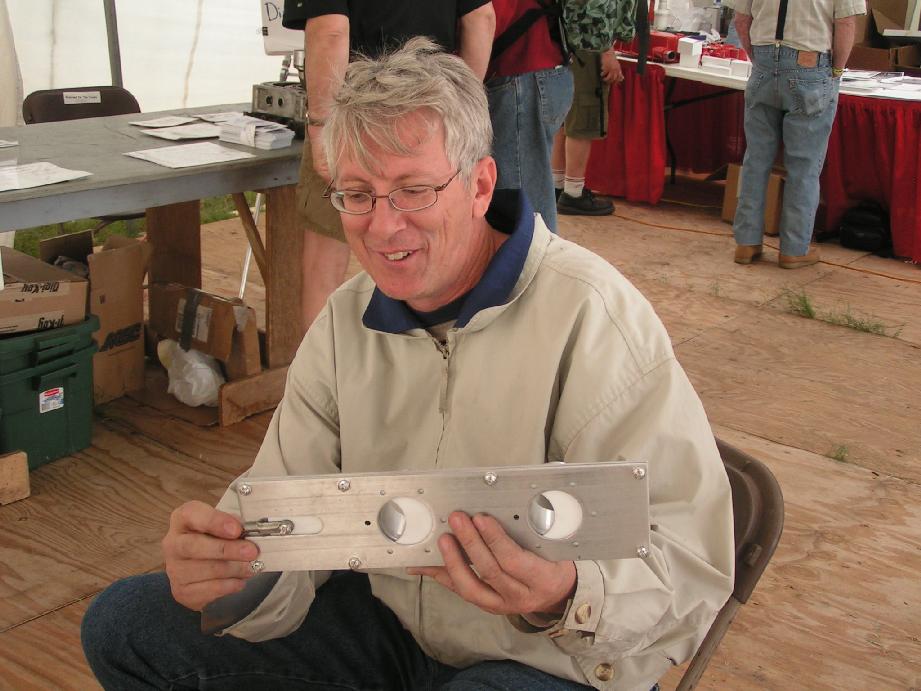
They both shoot down the same two inch tube. You can put them anywhere
but the fuel plumbing becomes a nightmare with more chances
of leaking.
Paul Lamar
While I think of it Paul, I just hand picked an RX8 engine for Don Dunbar to
be shipped to W.A. cost $2,300 Aust ( $1,750 US).
His shipping was $150 Aust to WA, a US chap purchased one and the shipping
cost was $550 US - for those interested
The RX8 has a real nice (and light weight) 75mm ( 3") butterfly.
While we are discussing inlets, I was looking at the flat plate design ( and
very nice too) - but wouldn't it be better to not have a gap in the two
plates when the throttle was partly open, this might give as much turbulence
as a butterfly. If you think about it, it can be done without a gap, without
much difficulty.
All in all, the PP and flat plate, is very nice work.
George ( down under)
Since a aircraft engine throttle is wide open 99 percent of the
time (over 8000 feet) it makes little difference. It is also wide
open when it counts (full power on take off).
On the other hand I would like to see your drawing on how to eliminate
the gap.
Paul Lamar
--
The Rotary Engine NewsLetter. Powered by Linux.
ACRE NL web site.
http://www.rotaryeng.net
Copyright 1998-2005 All world wide rights reserved.