Polling the group:
What is the recommended or optimum runner length for the primary and
secondary intake paths, optimized for 6000 rpm (2.17 redrive and 2700
prop rpm is the plan, with boost).
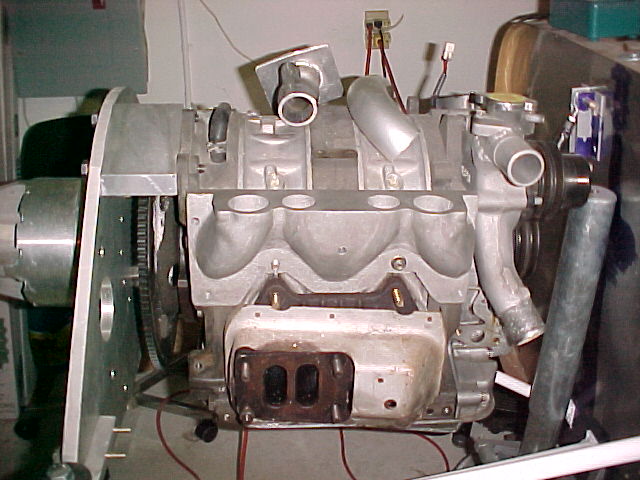
The plan is to use a cut-off portion of the stock lower intake from a
2nd gen (mates to the block and changes the intake path 90 degrees).
Attached to this will be intake tubing (approx 1.5" dia for the
primaries, 1.75" for the secondaries) that will run to a stock throttle
body. The primaries will merge into one just before the stock TB, just
as in the stock manifold. The secondaries will each remain single (again
as in stock).
Dave
You will have trouble mating the tubes to the cut off manifold.
Been there done that. What kind of airplane? How much room
do you have over the engine under the cowl? Are you using the
stock turbo? If not stock then you have more manifold options.
Paul Lamar
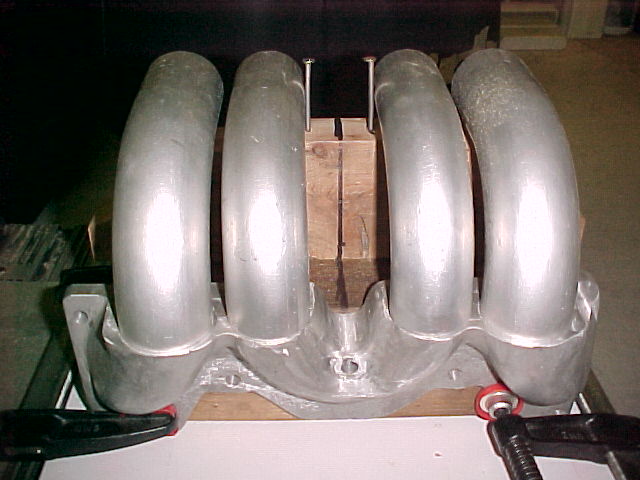
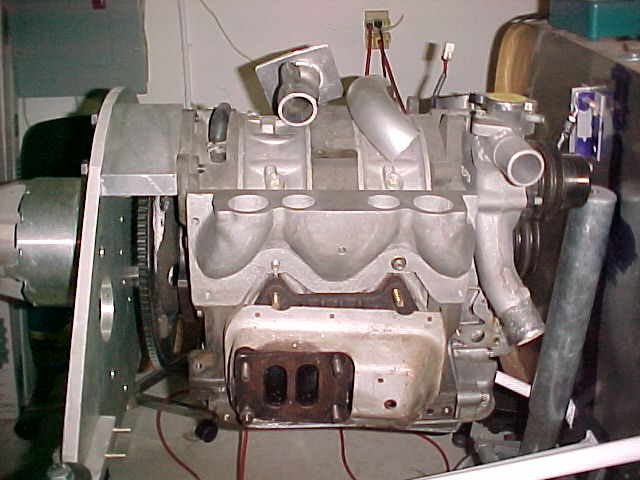
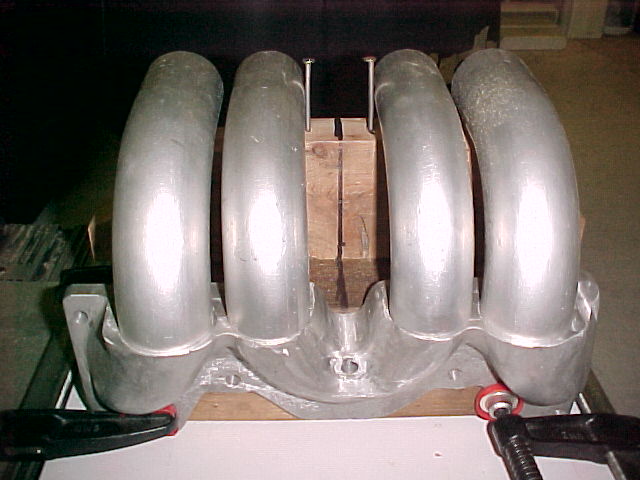
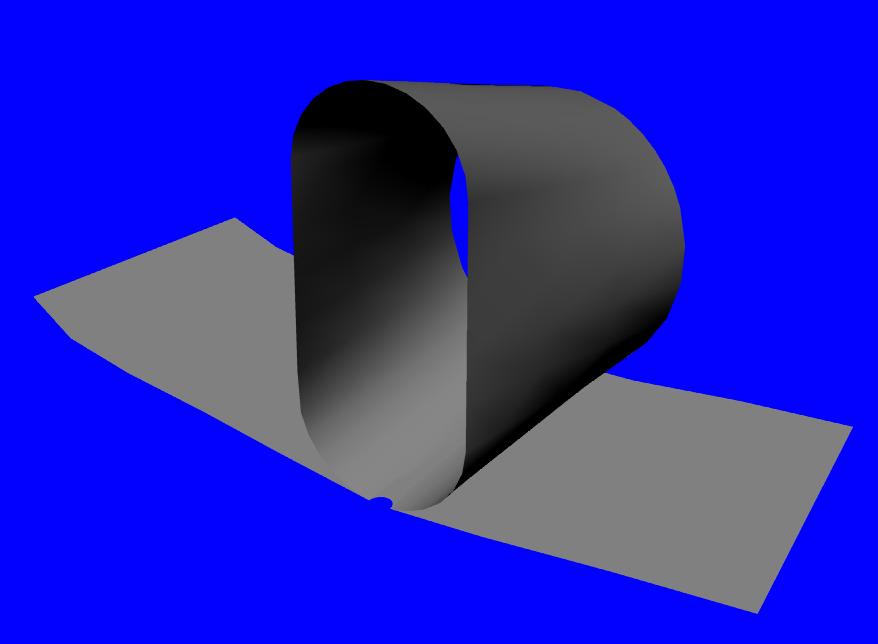
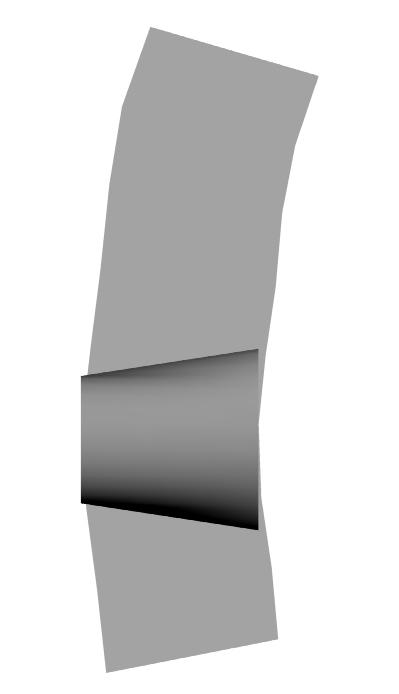
The bottom pic sums up close to what the manifold cutoff looks like. I
plan on doing some bending/squishing and welding. I do NOT plan to place
a flange like in the top pic.
We will probably go with a custom turbo setup, but that is just a matter
of ducting.
Aircraft is a Velocity with a stock cowl. At the narrowest clearance
between the top of the block and the inside of the bottom cowl, I am
estimating 2.5-3 inches clearance.. It can be blistered if need be. I
intend to do a wrap - over config, But, those are "field fitting" issues.
What I am interested in would be the appropriate length from the port to
the TB/ primary plenum in order to make the best use of the dynamic
forces inside the intake at that setting. Let me get the length right,
THEN I will make it fit.
Dave
The reason I asked what kind of airplane is once you cut
off the manifold and try to weld a bend on there it may be too
high and interfere with the cowl. A 3 inch radius is about the
best you can expect so that means you need to cut the manifold
low enough to accommodate that. When you do that it becomes very
difficult to match up to round tubing. I went round and round
and finally made patterns and had some cast up. Anybody got one
of my early manifolds for sale?
The optimum length in theory is about the same as a NA engine
but most turbo people ignore that as a another few psi boost
makes up for a lot of manifold sins. In your case it is around
22 inches. The crude joint between manifold and tubing will more or
less destroy the tuned aspects of it however.
I hate to be so negative but if you are not using the stock
turbo you can weld up transitions that will be much smoother
than trying to use part of the stock manifold. That is
what I recommend.
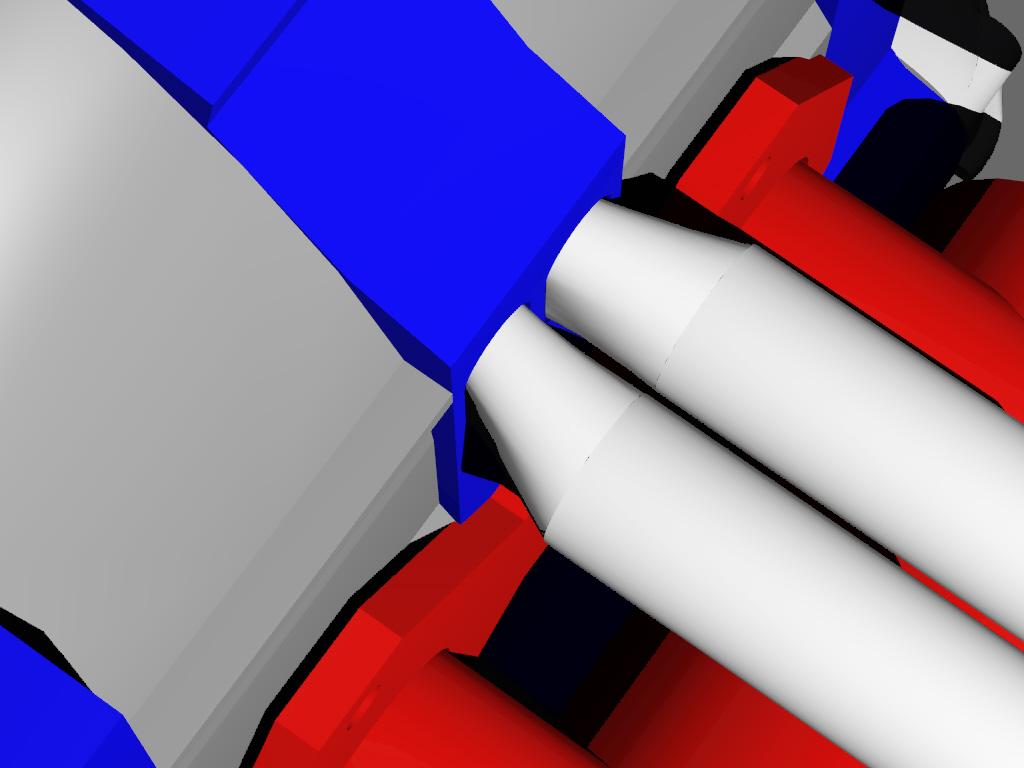
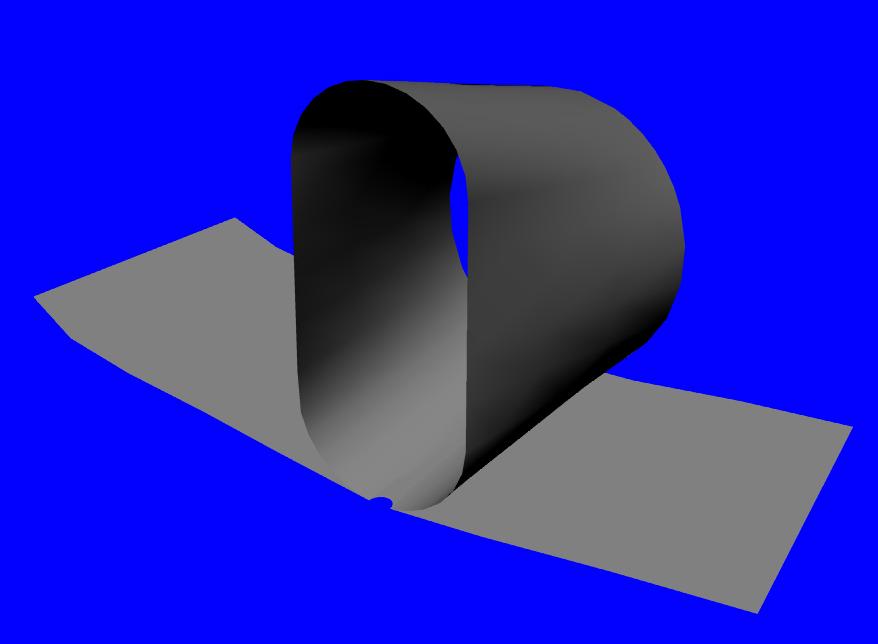
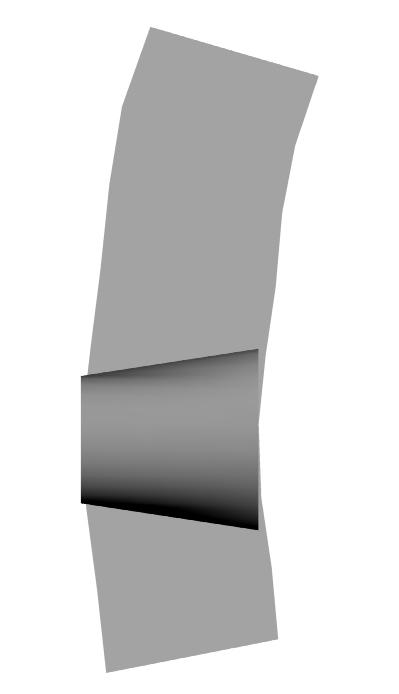
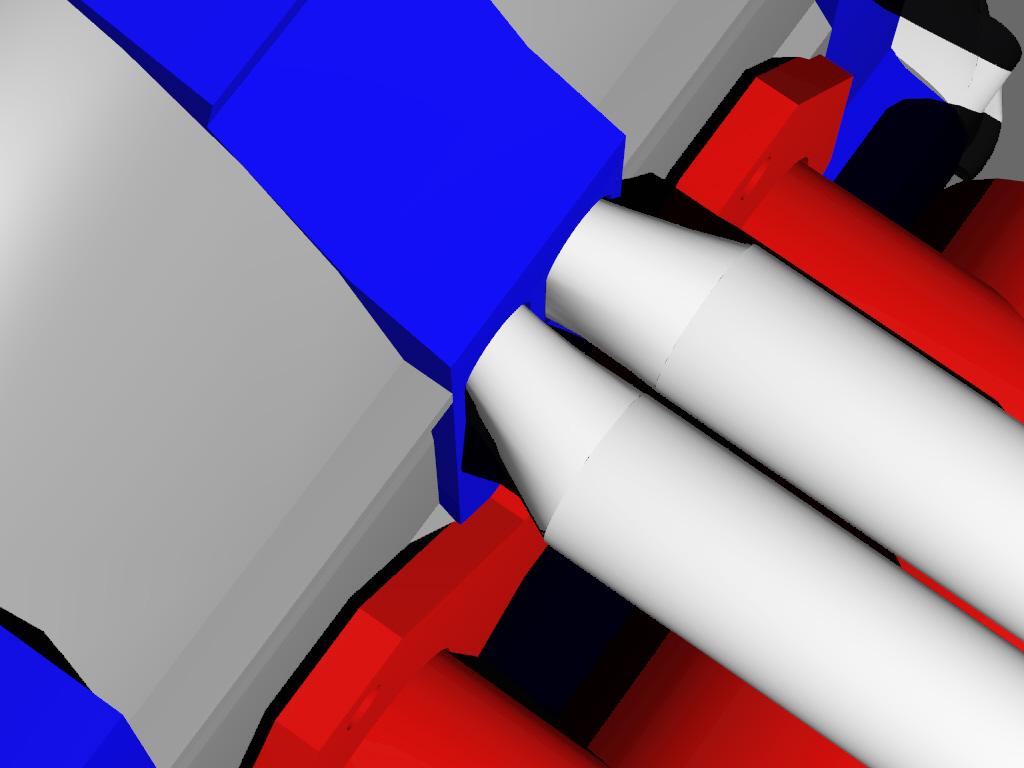
Here are a few 3D of the process. You cut flat sheet to a pattern,
roll it up and tig weld it. Makes the smoothest and lightest manifolds
possible.
I'll do the patterns for you if you give me th dimensions
on the ovals and the round tubes you intend to transition to.
The longer the transition the better so figure out what
you have room for.
Paul Lamar
The Rotary Engine NewsLetter. Powered by Linux.
ACRE NL web site.
http://www.rotaryeng.net
Copyright 1998-2005 All world wide rights reserved.