Paul L. writes:
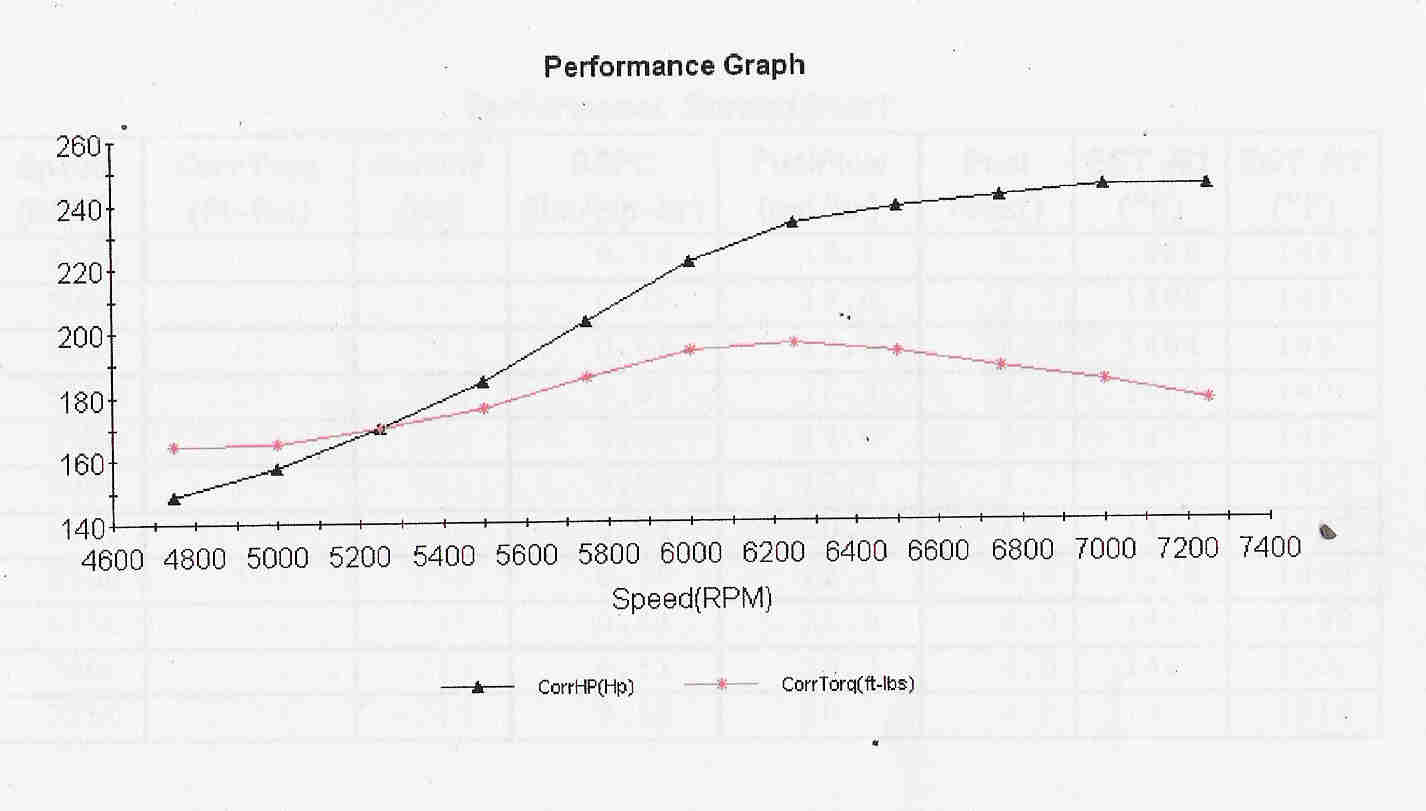
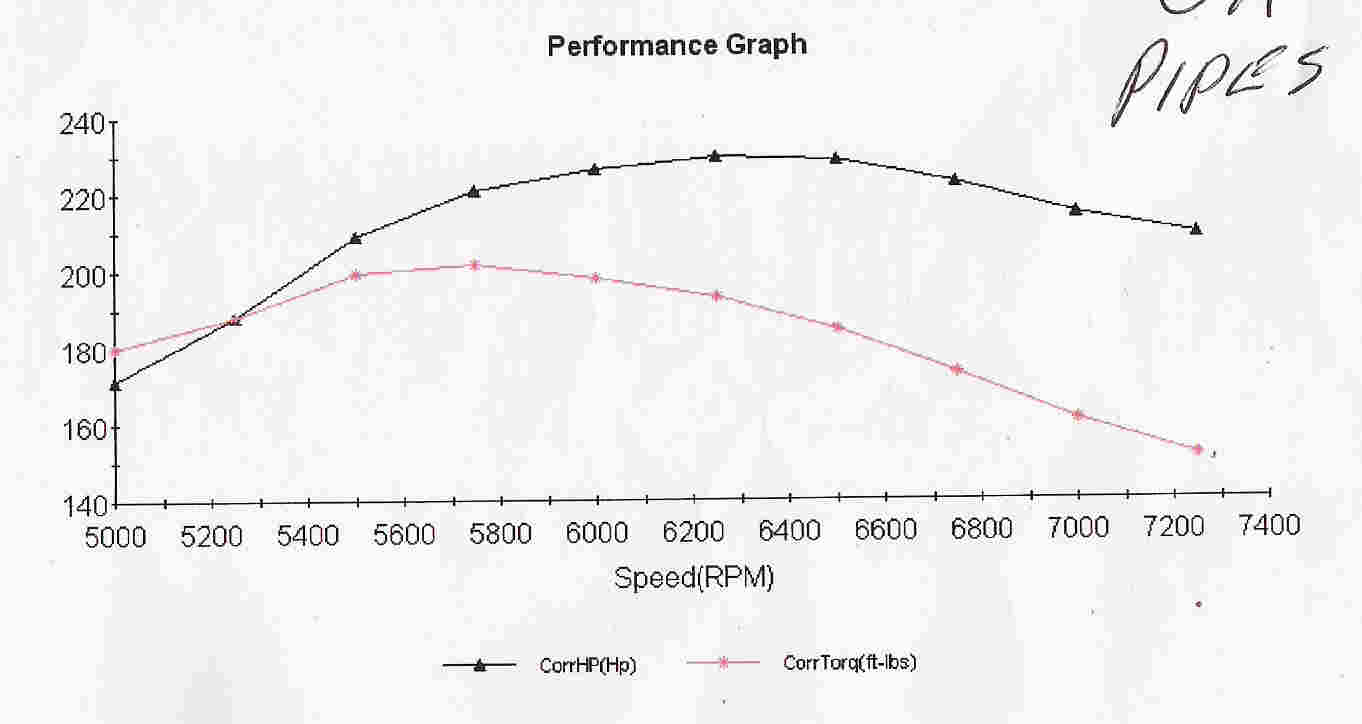
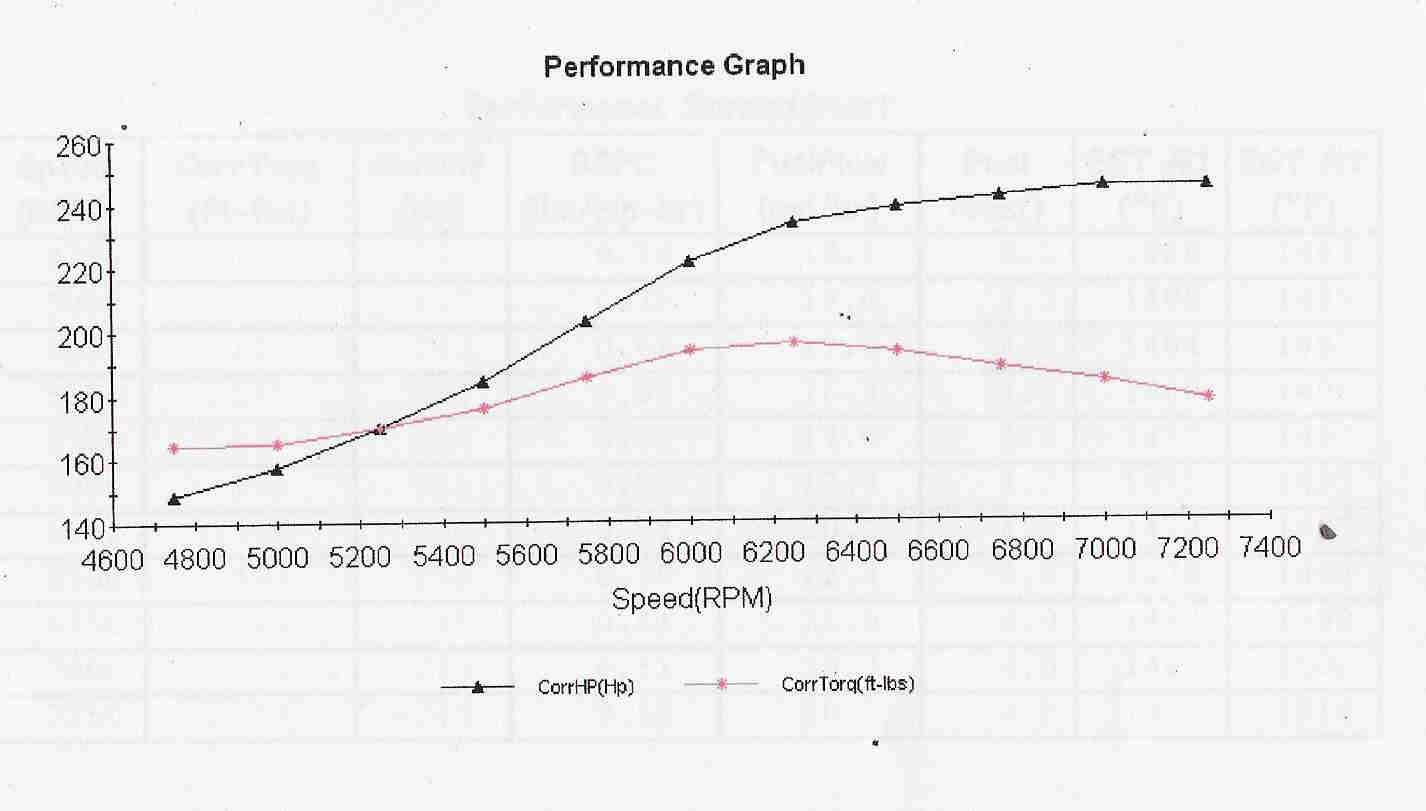
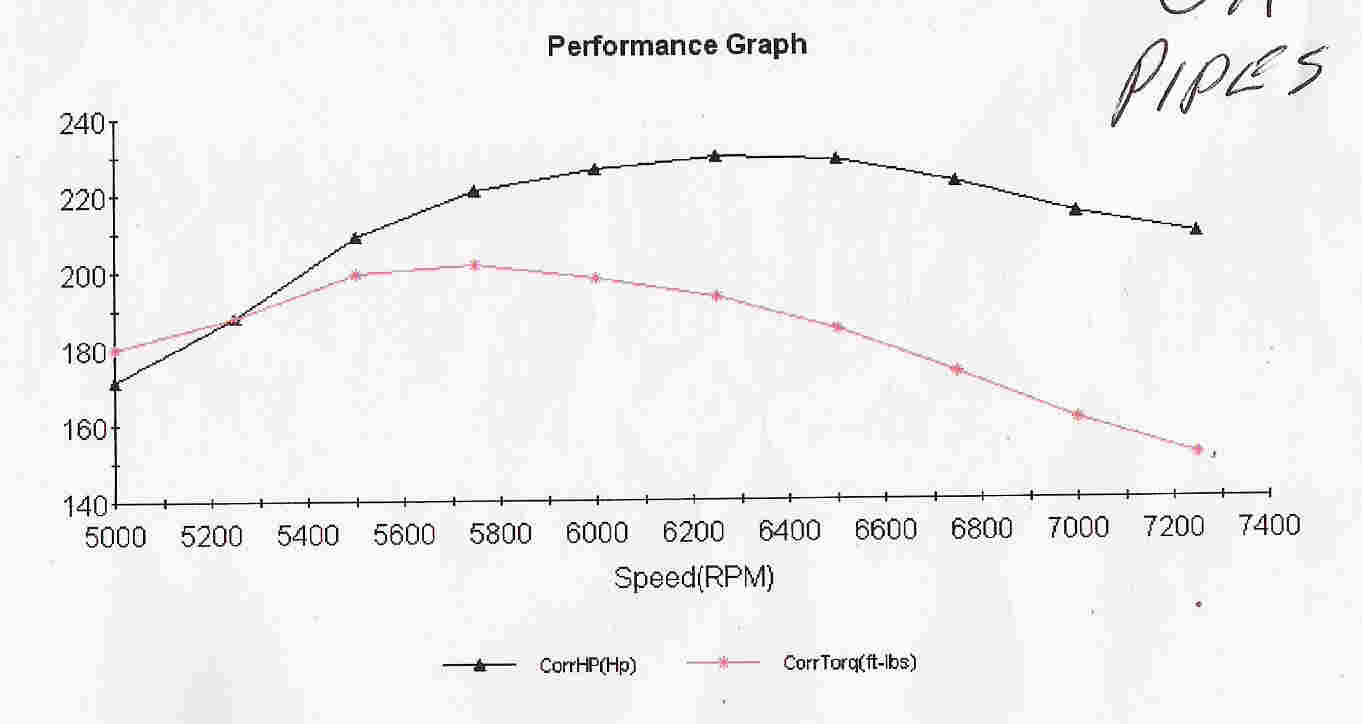
There is no question a p-port will generate more power. If you study the
jpg's I uploaded and the web site info I think you will be convinced
of that. We demonstrated 250 HP at 7000 RPM with a carb on the dyno
so far.
Here are a couple of dyno curves with the long and the shorter
runners. Still too long IMHO. Also a picture of the engine on
the dyno with the carb set up.
Nifty charts.
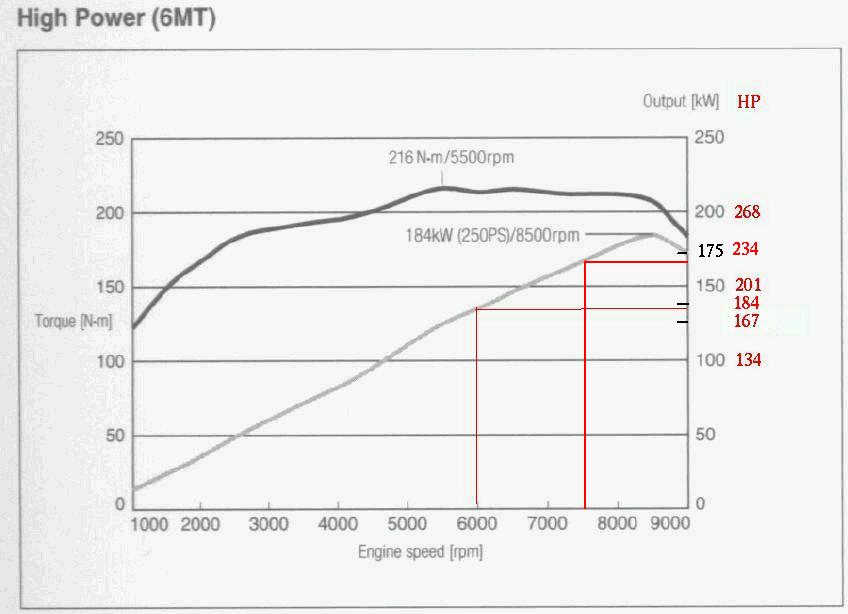
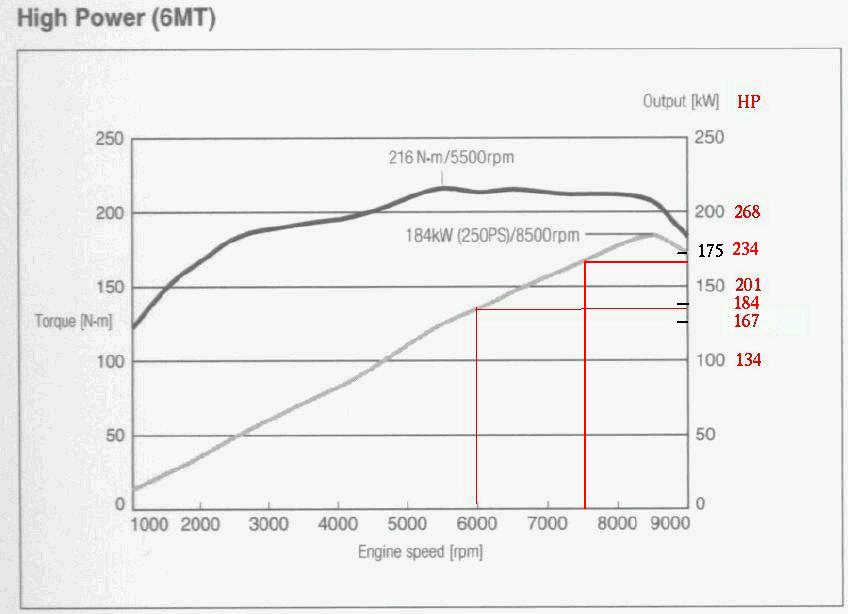
Stock Renesis makes about the same HP.
Bill Dube'
But not at those low RPM's. Check the RPM's again.
HP is RPM TIMES TORQUE divided by 5252 as I recall.
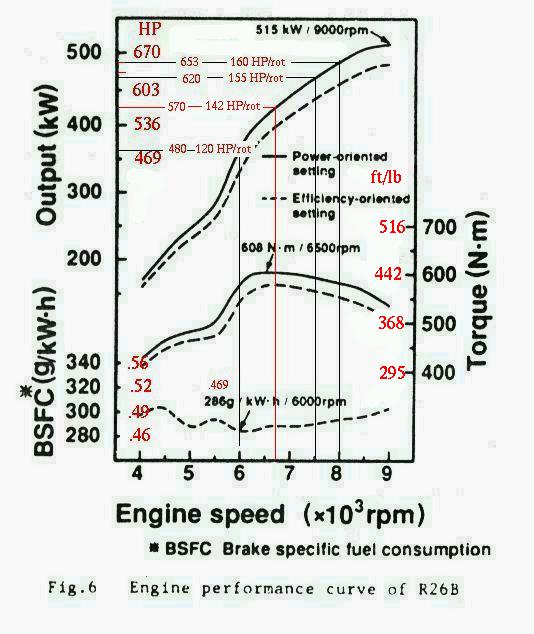
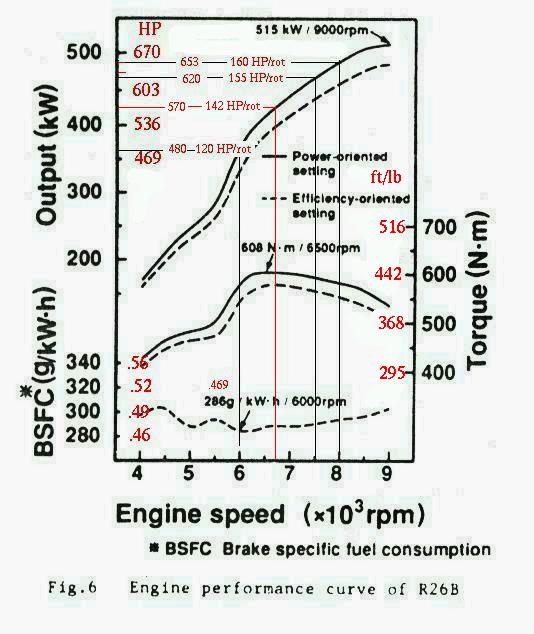
A 1980's era 13B p-port engine routinely made over 300 HP
at Renesis style RPM numbers in the eight thousands as would
a two rotor version of the Lemans p-port four rotor engine.
That means the p-port engine is breathing much better.
The simple facts of the matter are:
One. There is less skin friction drag in the runners if
there is only one instead of three all other things being
equal like port and runner cross sectional areas.
Two. The air does not have to make a sharp 90 degree turn
to get into the engine.
Note also the BSFC is lowest at the torque peak. So that is
the best cruising RPM short of slowing the airplane down.
We are not done yet with this engine. As you can tell by the
dialog on here we are still trying to get enough fuel at
the higher RPM's to make the HP it should.
Paul Lamar
--
The Rotary Engine NewsLetter. Powered by Linux.
ACRE NL web site.
http://www.rotaryeng.net
Copyright 1998-2005 All world wide rights reserved.