Stock Renesis makes about the same HP.
Bill Dube'
Paul L. replies:
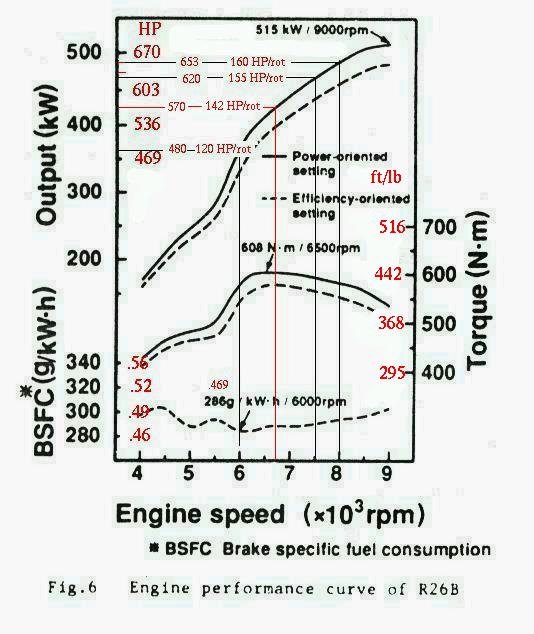
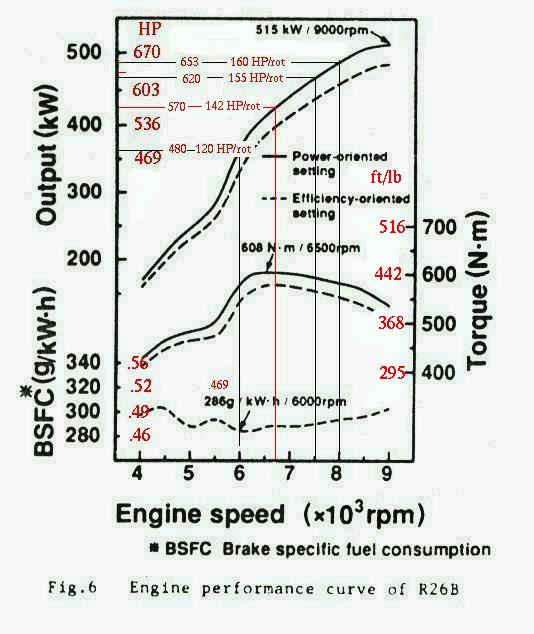
But not at those low RPM's. Check the RPM's again.
HP is RPM TIMES TORQUE divided by 5252 as I recall.
In an airplane, low-end performance is interesting, but not
directly useful. The HP appears to be flattening out at the top end in the
chart you attached. For that specific set-up, you would not get any more HP
at higher RPM. Maybe if you adjusted the runner length it would push the
torque curve to favor the higher RPMs.
One. There is less skin friction drag in the runners if
there is only one instead of three all other things being
equal like port and runner cross sectional areas.
That's true, but there is no physical constraint that prevents you
from having the equivalent hydraulic diameter (and thus the same pressure
drop.) I would guess that the hydraulic diameter of the three combined
runners is close to that of the single runner.
What is the diameter and length of the runners you are using?
Two. The air does not have to make a sharp 90 degree turn
to get into the engine.
A sharp bend would be a problem, but a gradual sweeping bend is
not something to worry about.
Note also the BSFC is lowest at the torque peak. So that is
the best cruising RPM short of slowing the airplane down.
This could be an advantage. How does the stock Renesis compare?
Bill Dube'
*************************************************************
Yes of course you don't need HP at low RPM for an aircraft engine.
Please quote all of the original message. You have totally missed
the point here about the RPM. You cannot compare HP unless you
compare HP at the same RPM. The p-port engine has the same RPM limitations
as the side port engine. Quoting sentences out of context
means nothing.
Yes of course. If you want to go up on the sizes of the three tubes
to something that lowers the air velocity in the tubes to wind
up with the same cross sectional area to surface area ratio.
You still won't get the power you will get with two p-port
tubes.
We are using two inch tubes with .065 wall or 1 7/8 ID.
About the same as the Lemans engine. The idea here is to copy
the Lemans P-port set up as closely as possible as Mazda
spent millions developing that engine. HP is flattening out
as the current tubes are too short and the engine is going
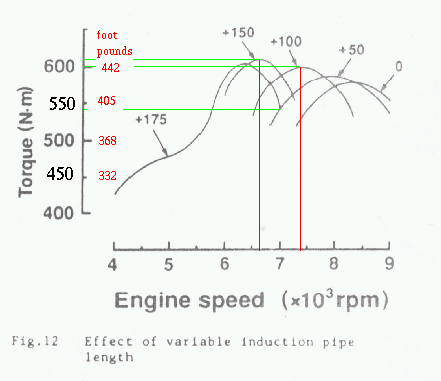
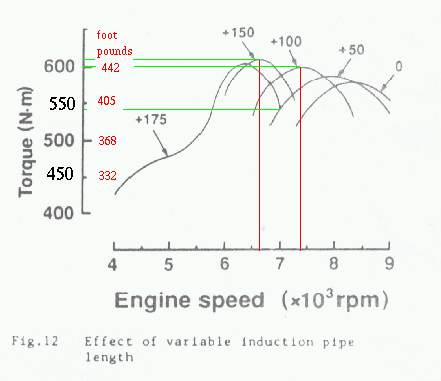
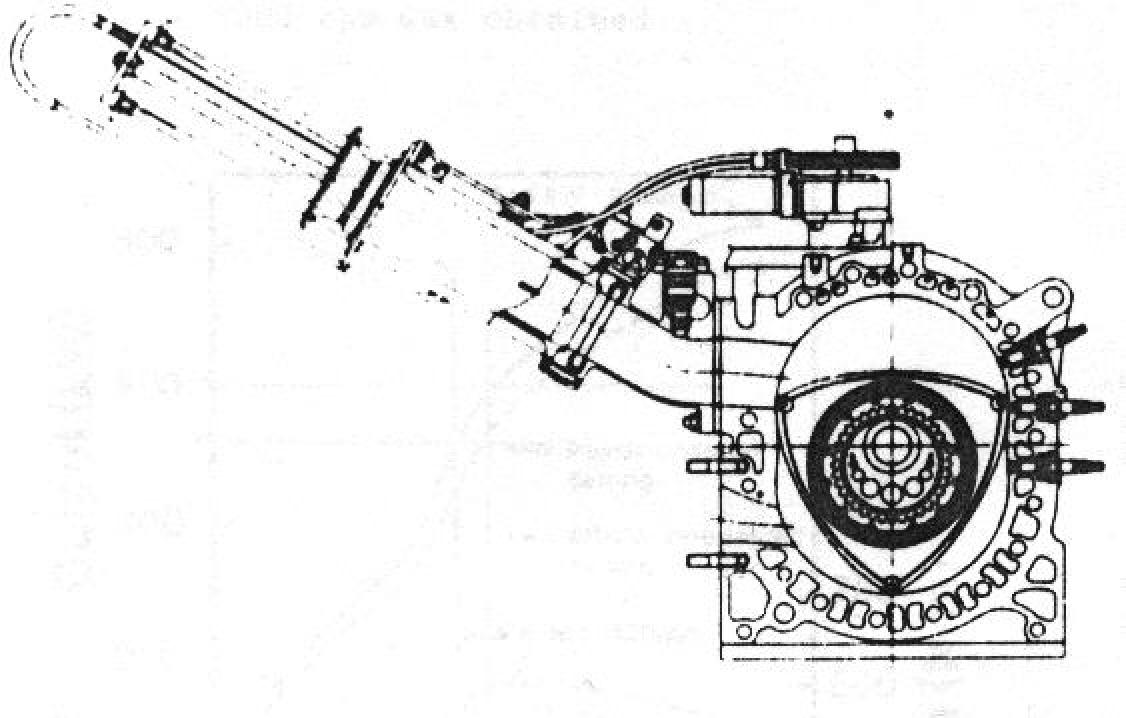
lean on the top end. Here is a graph from Mazda showing the
torque peak RPM position as a function of runner length
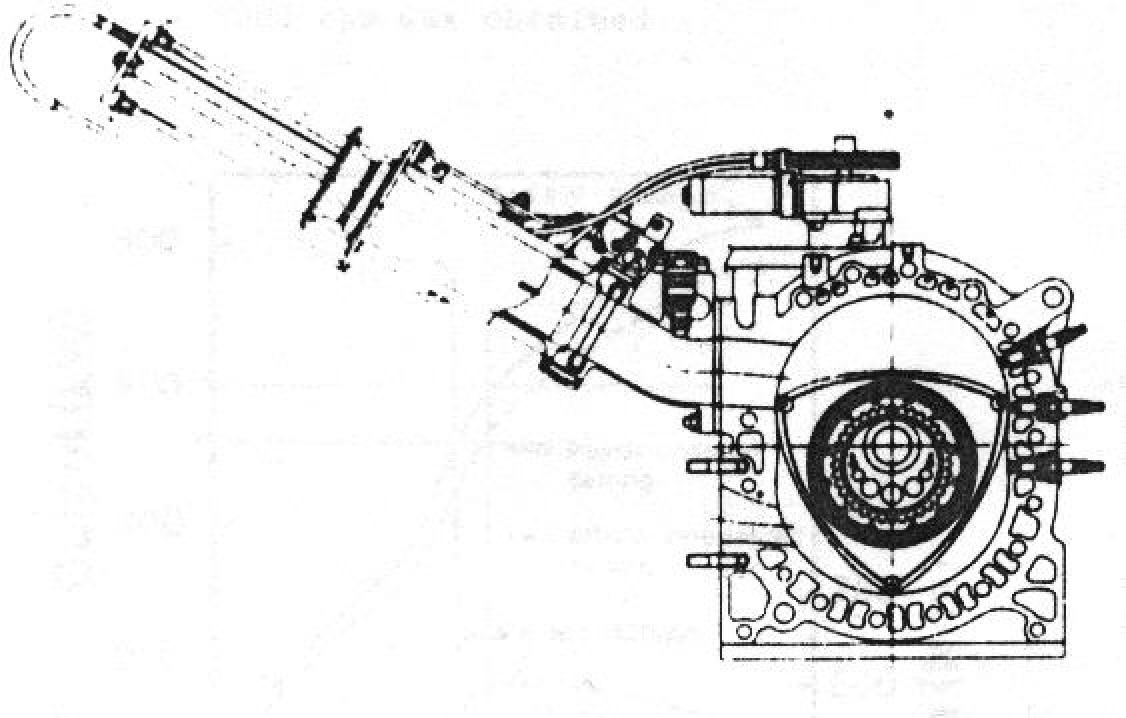
increments. You need to know the minimum runner length which you
can scale from the included side view drawing.
The sharp 90 degree bends I was referring to are the turns the air must
make going into the engine through the side ports.
I am not against side port manifolds. I could care less what
type of port you use other than it affects the overall image
of the use of rotary engines in aircraft. The aviation world needs to
appreciate the power to weight ratio advantage of the rotary engine.
We are stuck with heavy cast iron side and center housings so the best
way to do that is increase the power. Mazda also needs to wake up on this
last point.
It takes decades of use by many people to prove that
the TBO and reliability of the rotary is higher. Particularly when
people make serious installation configuration detail errors and
kill themselves.
I just don't think you will ever get near the same HP as a P-port
engine when you compare RPM for RPM with the possible exception
of a bridge port. Bridge ports are radical surgery and peripheral
ports are cheaper and easier to make as is the p-port manifold
and the sheet metal Teflon slide throttle.
The reason bridge ports are used is mainly because the car racing
sanctioning bodies have deemed that p-port rotary engines are
unfair to piston engines. Can't have a bunch of rotary engine
powered race car humiliating piston engines in race after race
when the vast majority of the worlds car companies are not making
rotary engines.
I'll tell you what. I'll bet you a thousand dollars you won't make
300 HP at 8500 RPM with six tubes unless you go to bridge ports.
You have at least one very valid point when you say you don't need to
disassemble a brand new engine to install a side port manifold.
Paul Lamar
The Rotary Engine NewsLetter. Powered by Linux.
ACRE NL web site.
http://www.rotaryeng.net
Copyright 1998-2005 All world wide rights reserved.