> > > Doug,
> > > Good information and advice, there are some things I don't totally
agree
> > > with however.
> > >
> > > Firstly I doubt that Hayes Rotary balance to a gram - if they do
that
> would
> > > be wonderful, but having tried to do that, I fully understand the
> problems
> > > associated.
> > >
> > > Firstly it's not just the weight of the rotor which is in question
but
> also
> > > the weight of the oil in the rotor. As there are many different
rotors,
> > > their cavities ( see oil volume = weight) vary accordingly.
> > >
> > > Then do they measure the cavity (oil weight) statically or
dynamically.
> > > A great deal of difference can be seen using the different methods.
> > >
> > > Do they use oil or water or soluble oil ( machine coolant -oil in
water)
> and
> > > what conversation ratio do they use.
> > >
> > > Did you ever measure a gram of water oil or coolant ?- it ain't
much!
> > >
> > > I figure if they got within an ounce there doing well - but a gram,
I
> doubt
> > > it!
> > >
> > > Then there the argument about what parts are included in the
balancing
> > and
> > > how (and where) the parts are held in place when balanced.
> > >
> > > Then there's the different balancing machines and which is best for
the
> > > purpose in relation to rotaries. Generally agreed the belt type is
best
> for
> > > rotaries
> > > .
> > > I figure I can get to within half an ounce, but never a gram. I
figure
> just
> > > to wet the inside of the rotor would take an ounce or more.
> > >
> > > If they don't take everyone of these variations into consideration
their
> > > just BS .ing. However it does sound good to the un-initiated!
> > >
> > > BTW 1 ounce = 28.3495231 Grams.
> > >
> > > George ( down under- working hard on my single rotor)
> > >
> > >
> > Hi George,
> > Balancing weights of rotors are done dry not wet. Mazda Factory
balances
> > rotors to within 4 grams of each rotor. Balancing is done with the e
shaft
> > turned at 2000 rpm. Dennis Hayes and I talked at length about the
process.
> I
> > believe him as he is very knowledgeable but Hayes does not do
balancing
> > either. They farm out the balancing as that is how I found out about
it.
> They
> > lost my parts and it took four months to get the ones they did not
loose.
> I
> > was very impressed by Dennis on the phone the first couple
conversations
> > but after doing business with empty promises, I can not recommend any
of
> > my fellow rotorheads to use their services. I wish Dennis would go
back to
> > trying to be small. Their work ethic would drastically improve. I hope
you
> read
> > this Dennis. Anyway I will gladly share anymore info I have with
anyone.
> > Doug Mueller
> > RX-6 13BT
> > N900DM
> > Boulder City, NV
>
> Doug,
> I don't wish to get you offside here, but I think you misunderstood my
> message.
>
> TRUE rotors are balanced dry when balancing the rotor within itself and
this
> should be a separate step before balancing the whole assembly, 4 grams
is
> easily attainable in this particular process as there are no fluids
> involved.
>
> HOWEVER the assembly MUST be balanced including the oil weight that the
> rotor holds, as this is the additional weight ( with other things) which
> represents the total rotor weight. IT is terribly important that you
> understand this aspect when talking about balancing a rotary engine, OK!
> George ( down under)
>
Hi George, I guess I did misunderstand, I do agree with you regarding the
balancing
of the whole assembly. It is important to have having matching weight
rotors. Ie same
year and model rotors. I only disagree on the balancing of the whole
assembly because
of the process I have seen it done. I am repeating the process that was
explained to
me. A counter balance is weighed and balanced with a dry assembly. The
additional
weight of oil is negligible and the counterbalance is not compensated
foradditional
oil weight.
Although adding oil does add minimal weight the rotor does not retain the
oil. That
is constantly flowing out and being replaced with fresh cool oil to help
keep the
rotors cool. The counterbalance and the entire assebly is balanced dry. I
have
pictures somewhere of this process.
Respectfully,
Doug Mueller
Doug,
If you adviser tells you this it goes against the advise of all the experts
that balance Rotaries.
I take hart that Hayes send out their engines for balance.
The rotors are indeed FULL of oil when in the engine, they do have their oil
replenished via e-shaft jet. Only when the rotor is full does the oil
dribble onto the stationary gear ( the other side).
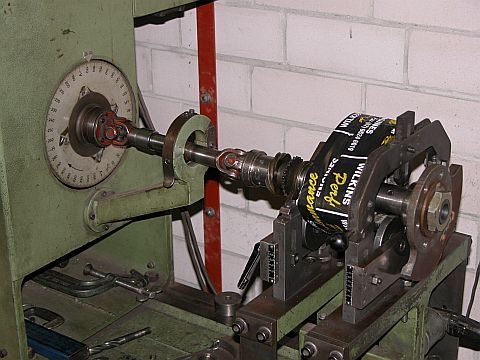
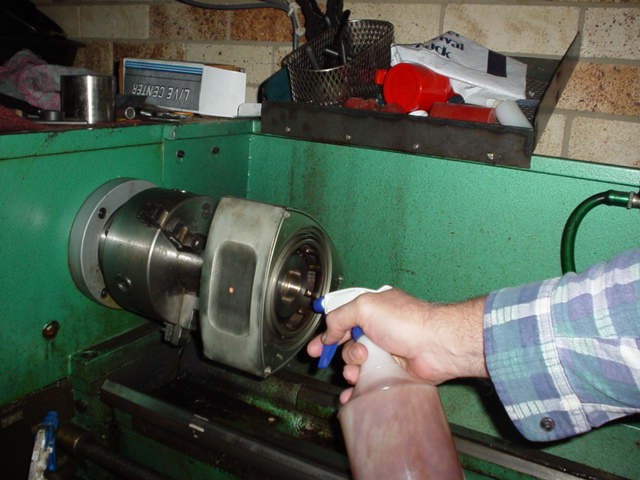
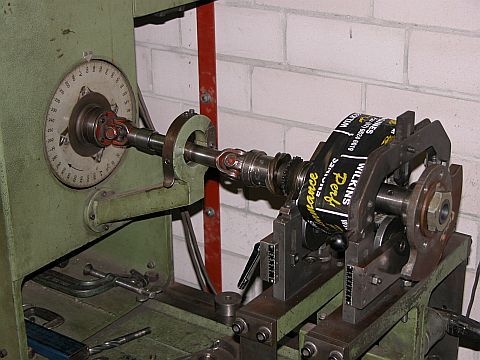
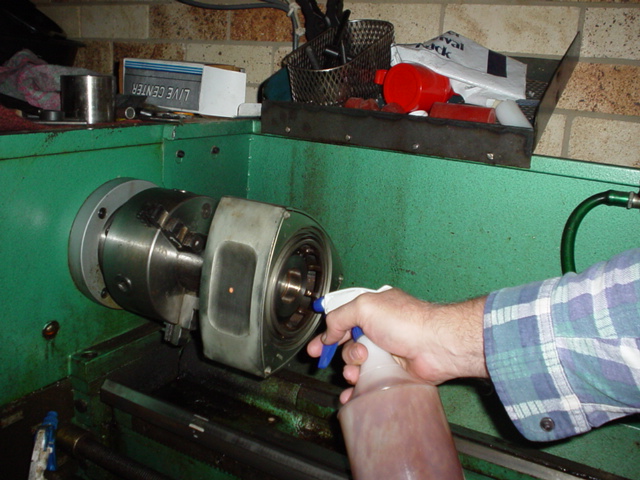
See Photo's attached.
Now only when the individual rotor volume ( weight) has been established can
the assembly be truly balanced ( DRY).
It may be that they don't disclose this step to everyone or Hayes don't even
know it's part of the process. Engine balancers do keep their secrets -
believe me when I say it has to be done.
I do hope you appreciate the insight into this process, it's very important
to understand the steps. For instance if you were to have the engine
balanced by an engine balancer who normally didn't understand this
process - it wouldn't turn out too good. Even if the balancer were to use
ONE single volume weight, it won't turn out so good. Every series and
different compression rotors have different volumes, therefore different
weights.
The next step is, what else is added to this volume weight for balancing
purposes, side seals, corner seals etc.
George ( down under)
Do me a favor George and fill the rotor with oil. Measure how much
it takes and divide by four.
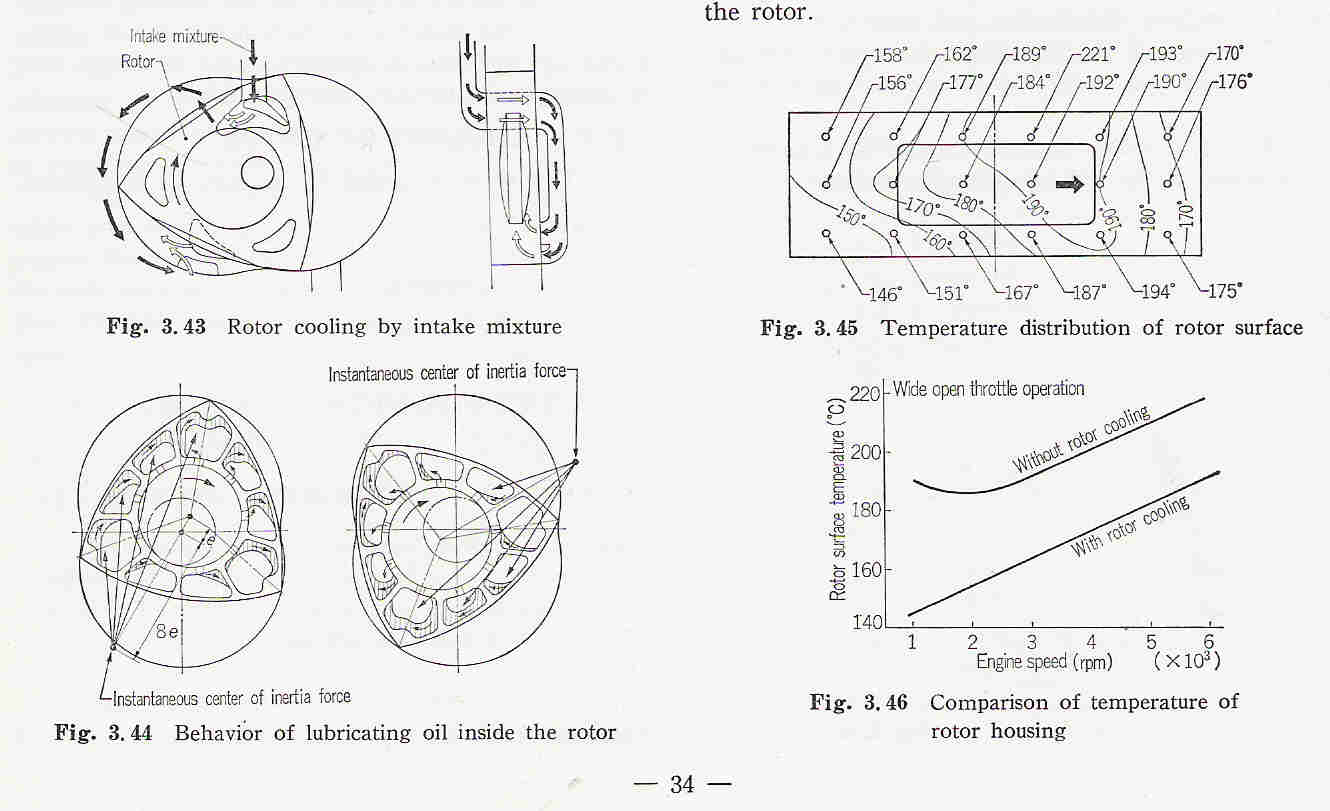
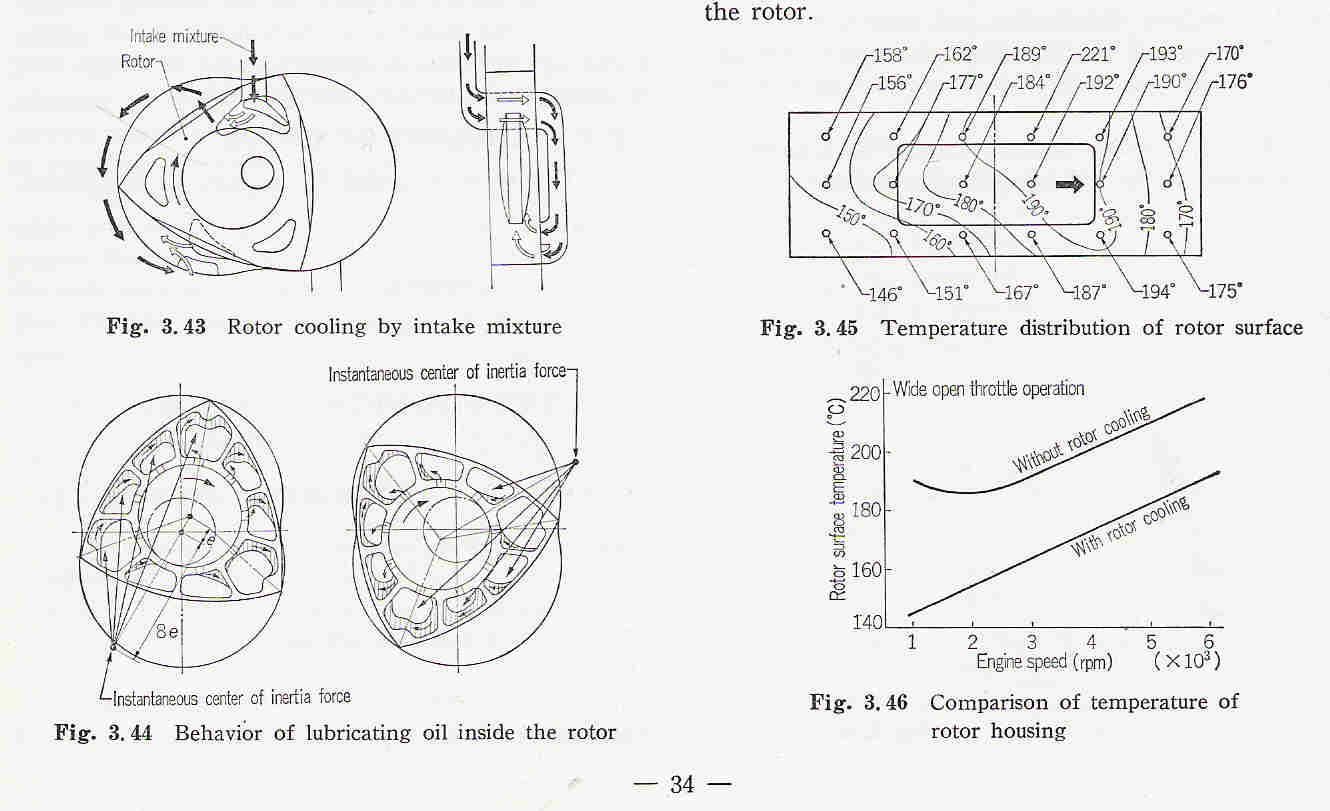
This is an illustration from K. Yamamoto's book Rotary Engine
1981 edition published by Mazda of how much oil is in the rotor
at any given moment. It changes degree by degree as the e-shaft revolves.
It is impossible to perfectly balance the engine by loading a
quantity of oil in the rotor.
Paul Lamar
The Rotary Engine NewsLetter. Powered by Linux.
ACRE NL web site.
http://www.rotaryeng.net
Copyright 1998-2005 All world wide rights reserved.