Hi Paul.
lovely looking cars, what powerplants and trans did they use? No
rotaries , I guess. BR, Dave McC
***** What we had were aluminum small block Chevy V8's mostly and
aluminum big
block Chevy V8's later on from Chevy R&D. All were good for up to "
two hours TBO" when raced. I use the term TBO loosely as most of the
engine parts
were cracked after two hours and good only for melting down
and recycling. That included the block itself.
> Paul Lamar
Really true??
After 2 hours, you trashed them? Why the hell would anyone use them in
airplanes?
'long live the rotary'
BR, Dave McC
Really true.
Hope springs eternal. Every year at OSH there is at least one new
person building a Chevy V8 into an aircraft somewhere. Mostly
you never hear from them again. In some cases people have persevered for
a few years but they eventually give up as well.
The classic example is the Orenda V8 wherein $50 million (mostly
Canadian tax
payers money) was spent over a 20 or 30 year development period. Now
bankrupt.
There is one highly successful direct drive Ford V8 with all after
market chromolly parts and aluminum block air racing out here in the
Western US. 10 year development. Now going around 250 MPH in a higly
developed Long EZ. Owned by Gary Spenser. So far he has less than 1000
hours. The engine is derated to about 230 HP and never runs over 3300
RPM. Weighs roughly 400 pounds.
Paul Lamar
It's not quite automotive V8, but the Falconer engine in the Thunder
Mustang is doing okay. Think it's based on BB Chevy parts, but obviously
different block, crank, heads and cam. John Parker just set some NA speed
records with it (375mph - closed course). Had some initial teething
problems, but seem resolved.
Matt-
5 or 15 minutes at top speed is fine but 1000 hours is something else.
There is absolutely no doubt that a car V8 with chrome molly everything
can put out a lot of power for a couple of hours. Unfortunately the
engine you buy has chrome molly nothing. Just cast iron everything.
Hotrod Magazine. GEN III. The first look at the all new GM
small-block V8 LS1. By Jeff Smith. Page 50, September 1996. Normally
auto magazines do not publish the material specifications for auto
engine parts. This article on the AL alloy block Chevy V8 LS1 engine
is an exception. Crank, rods and main bearing caps are specified as
either cast iron or powdered metal. Chevy actually went down on the
valve stem diameter to reduce the valve weight. This is not what is
needed for good heat rejection in high duty cycle engines.
Try buying a NACAR competitive engine. You are looking at a major part of
$100,000.
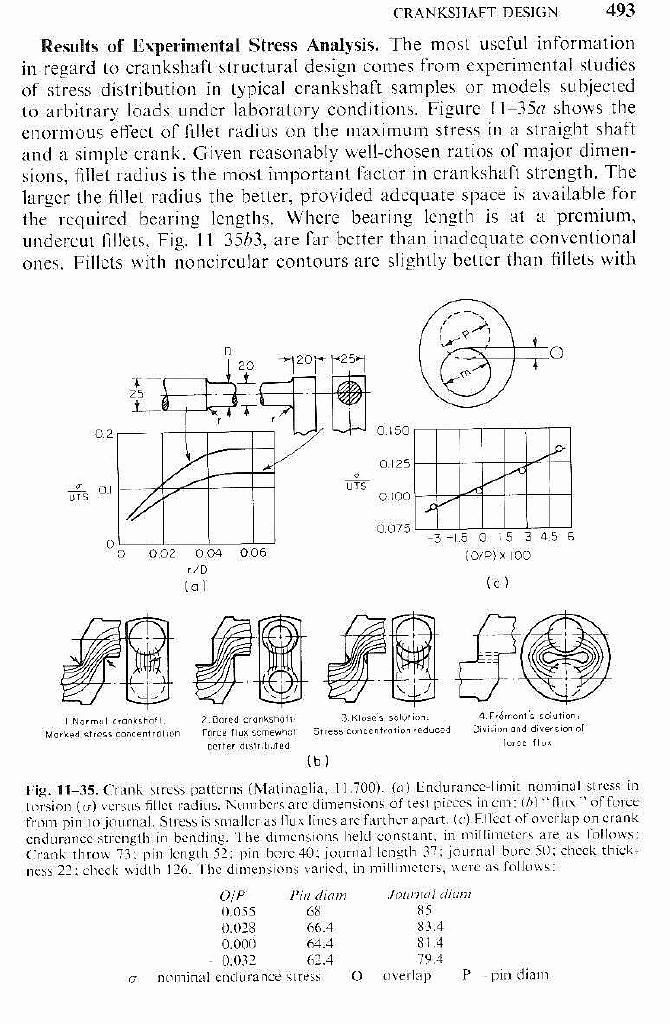
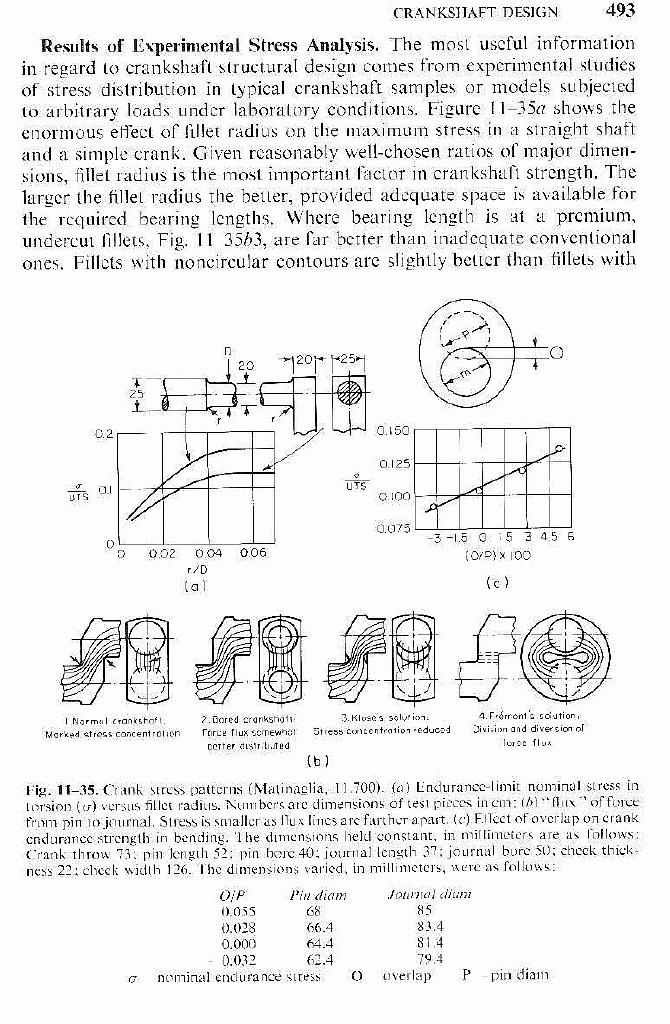
The biggest problem is the bore spacing is too close leaving inadequate
room for a large enough radii in the main and rod journals.
Paul Lamar
The Rotary Engine NewsLetter. Powered by Linux.
ACRE NL web site.
http://www.rotaryeng.net
Copyright 1998-2005 All world wide rights reserved.