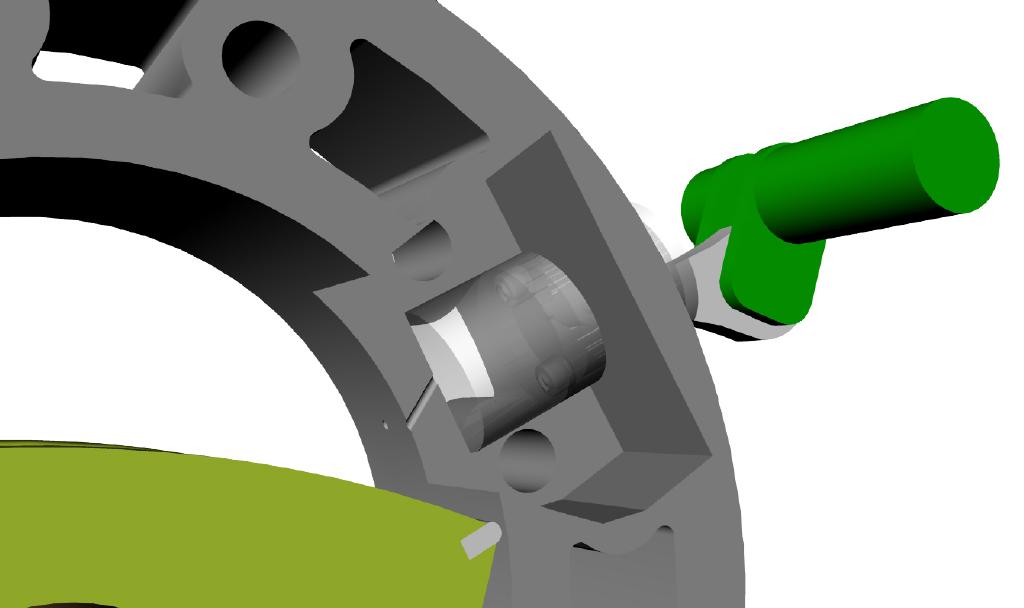
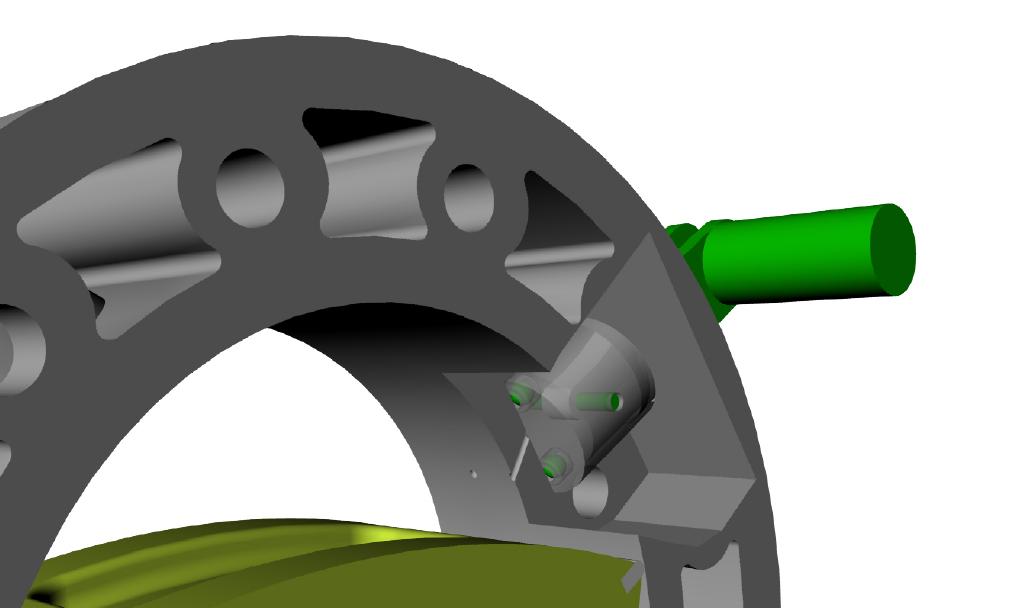
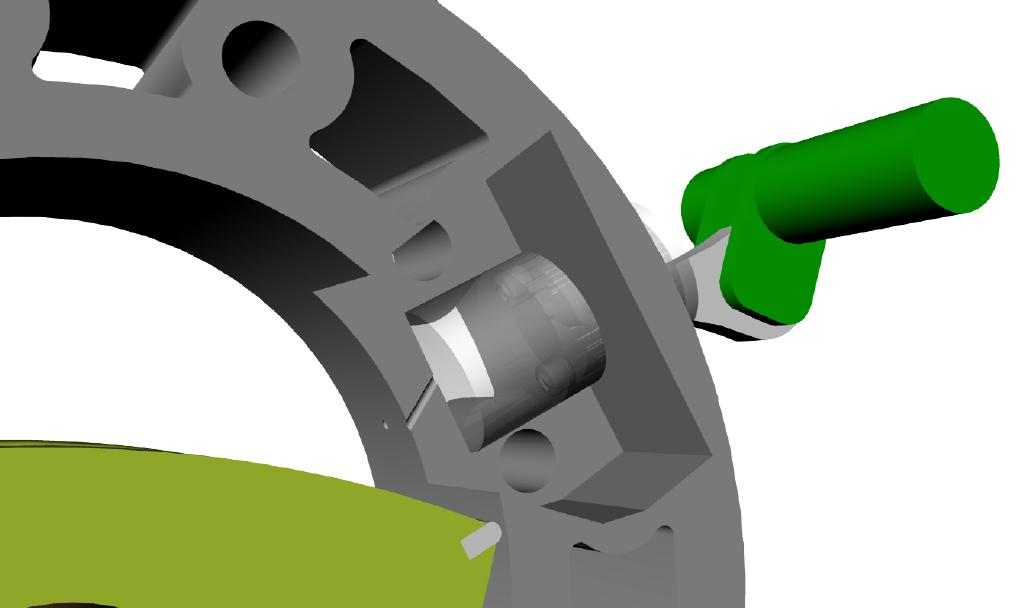
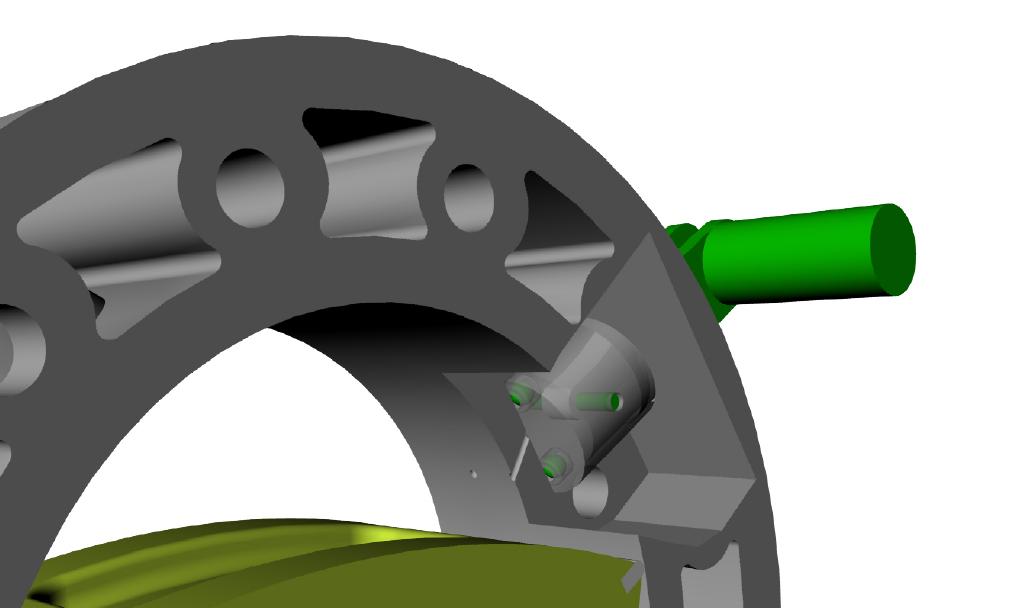
Turns out the Mercury Outboard uses direct air injection.
I did not know that. The compressor is upper right.
Paul Lamar
Paul,
I believe I mentioned that.
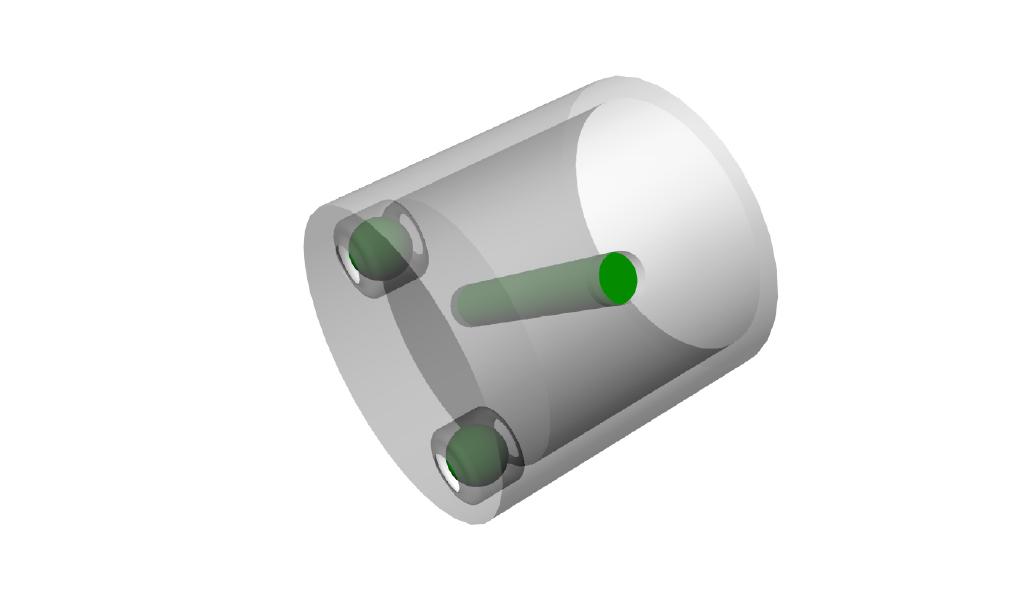
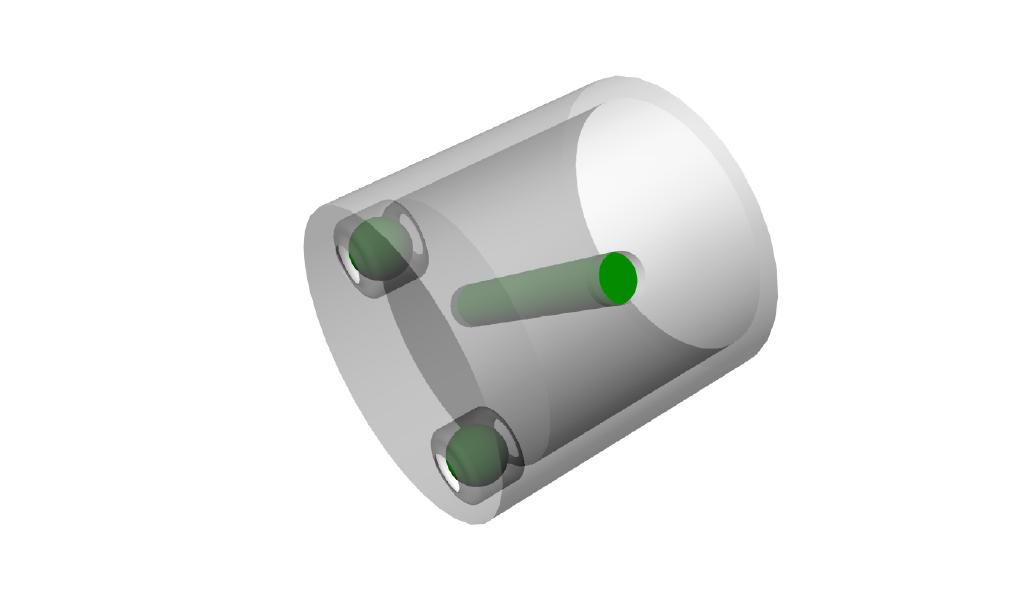
The fuel Injector sits atop the air injector ( piggy back style) with
compressor located remotely.
George ( down under)
Paul,
Stirring thoughts in the night:
Please confirm I have this right. The purpose of the direct air injection
is for fuel delivery assistance into a highly pressurized environment,
right?
So if I read some of the research papers correctly, the challenge with
direct injection is in obtaining a homogeneous fuel/air mix in a relatively
short amount of time.
Still pretty rough technology. Squirt in some liquid hydrocarbons, try not
to bounce it off of the walls of the moving rotor, and then light it off.
Shouldn't the science of aerodynamics apply to the nature of mixing liquids
in the rotary combustion chamber? I would think the texture of the rotor
depression face could enhance the combustion by having a large surface area
(sputtered coated titanium ?) and perhaps also act like micro vortex
generators to mix things up a little.
Perhaps the delivery of fuel into the area of the spark plugs warrants a
rethink on what constitutes the compression chamber of the rotary engine.
For example: have a depression on the housing side as well. That way a
shallower rotor depression as well as the housing depression could be
texture optimize for mixing and heat retaining characteristics and the
combustion event triggered when the two depressions line up. Multiple corona
discharges bridging the gap between the two depression would be another item
on my wish list.
Then the fuel and combustion event could be localized and obtain the similar
advantages of a piston engine. Ah but words are cheap neh?
Back to grinding and sanding FRP.
Doug in Japan
Yes... probably in the Mercury outboard. I am not sure exactly what
is going on there. Perhaps the high pressure air injection mixes the fuel
and air better. I think that is a problem with direct gasoline
injection. The fuel does not get a chance to mix with the air
thoroughly before some of it burns.
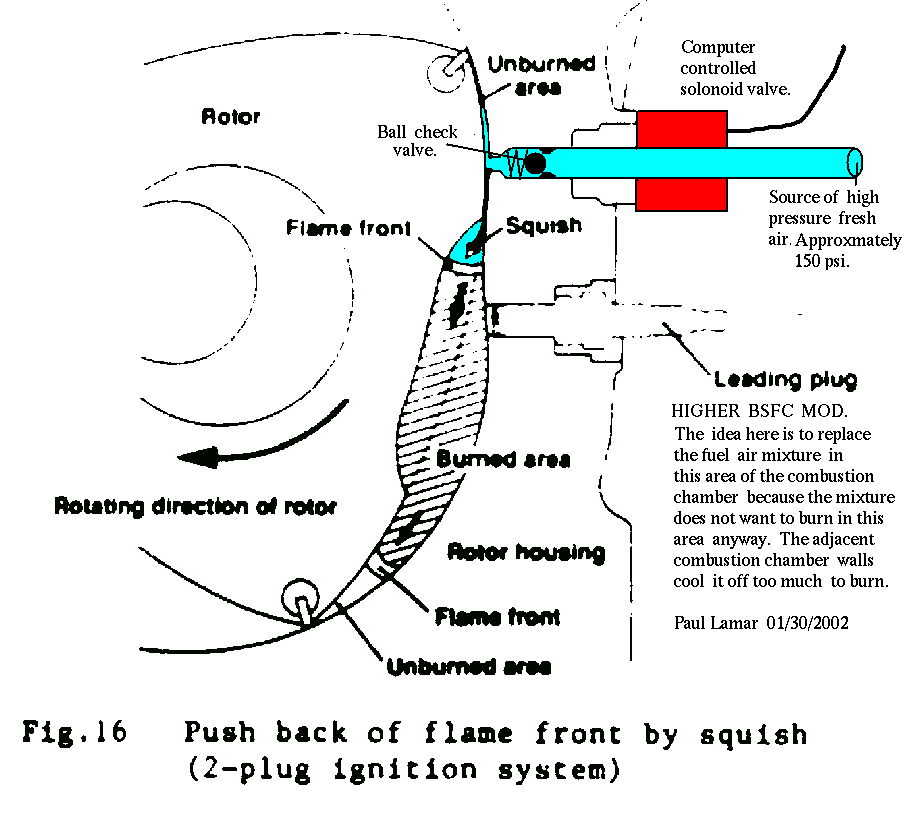
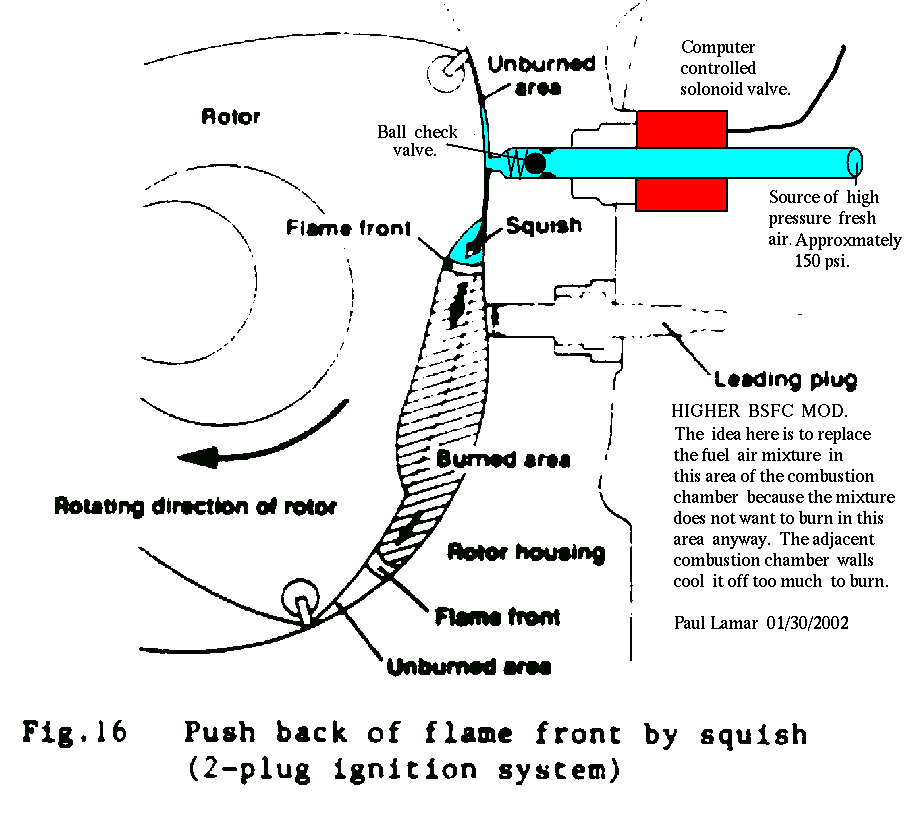
In my design the air injection has another function. It is
to purge the trailing portion of the combustion chamber of air
fuel mixture and replace it with pure air thereby promoting
stratified charge with good (the same) air fuel mixing. The difference
is the air and fuel can mix back in the intake runners and in
the compression chamber. No expensive 20,000 psi fuel injectors
required.
I don't think a depression in the side walls would work. You
would have a sealing problem as the side seals traveled over
the depression.
Paul Lamar
The Rotary Engine NewsLetter. Powered by Linux.
ACRE NL web site.
http://www.rotaryeng.net
Copyright 1998-2005 All world wide rights reserved.