We doubled the pressure differential and hence the flow through
the rad by adding this cowl flap. The data report will
be along shortly. Coolant temp dropped 20 to 30 degrees
but it was a cooler day. For that reason the jury is still
out on whether the cooling is adequate yet.
The problem here is it is tough to install
adjustable cowl flaps as the bottom of the Pulsar cowl
opening is a compound curve. That means we need segmented
flapettes :) And a complicated control system in the bargain.
-----------------------------------------------------
Here is the spread sheet data. The pressure in the cowl
while running up on the ground was .2 to .3 inches of H2O higher
than static surprisingly. Once in the air it lowered to .8 to 1.4 inches
of H2O below static. That was the goal of the cowl flap and to be
expected.
Cowl flaps do work. Alex also thought the airplane was a
couple of MPH slower.
Paul Lamar
What you added were really flow dams to force a low pressure area at the
exit.
And I am sure that you added drag - the challenge now is to provide a low
pressure
area without increasing drag. The assy is unduly complex as well - try
exiting
flow at the sides of the cowl where the natural pressure is not so high
Vance
I don't think Alex is up for that. The sides of the cowl are also structural.
To a greater extent than the bottom. The plan is to make one movable
flap with a rubber hinge in the bottom. We intend to beef up the bottom
with a couple of layers of carbon. Cruise temps are OK with
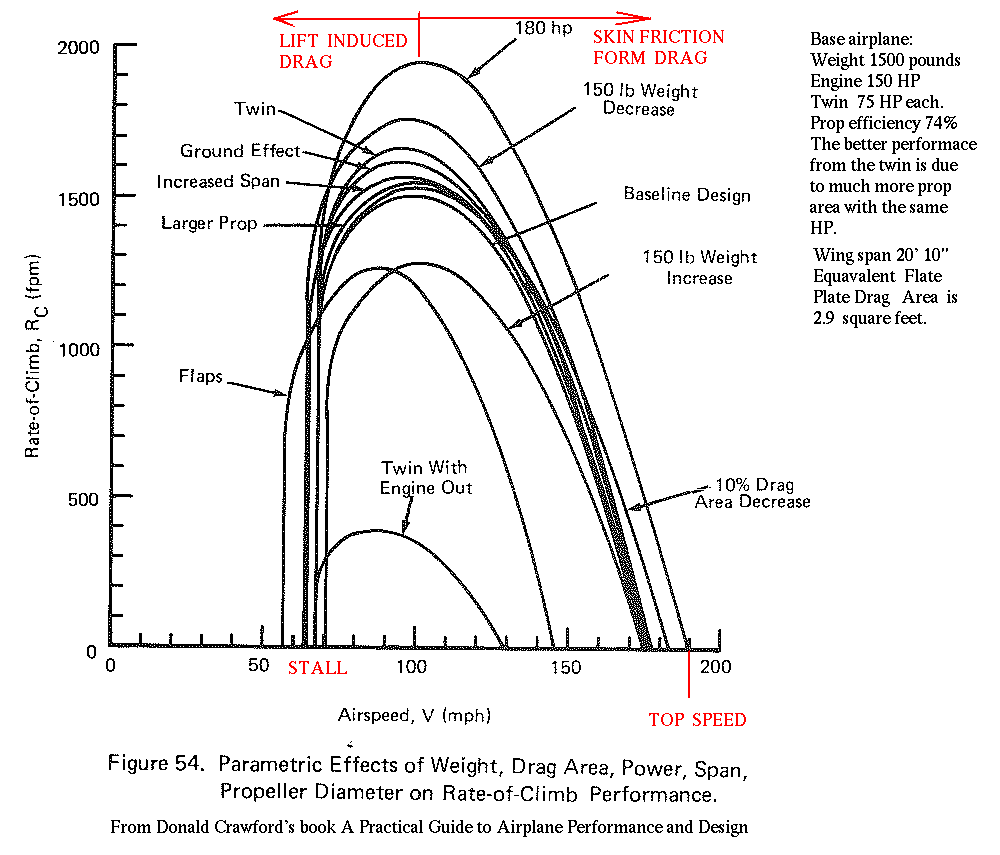
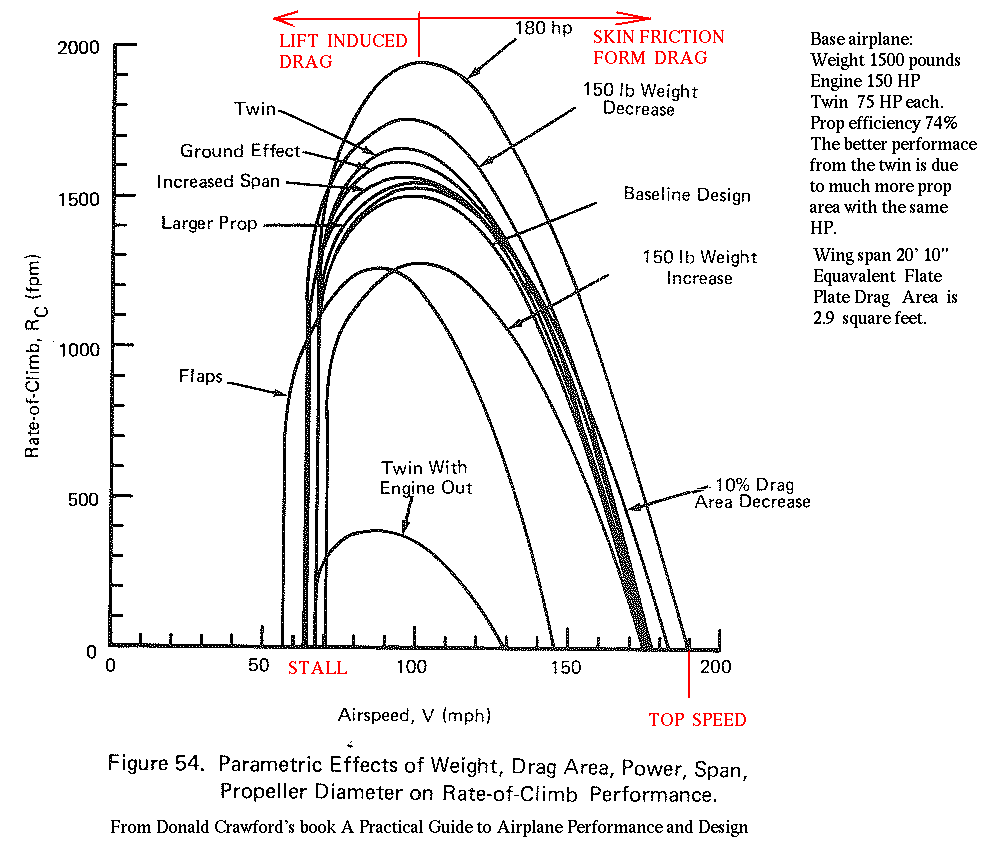
no flap. Drag does not affect climb to any measurable extent.
Paul Lamar
The Rotary Engine NewsLetter. Powered by Linux.
ACRE NL web site.
http://www.rotaryeng.net
Copyright 1998-2005 All world wide rights reserved.