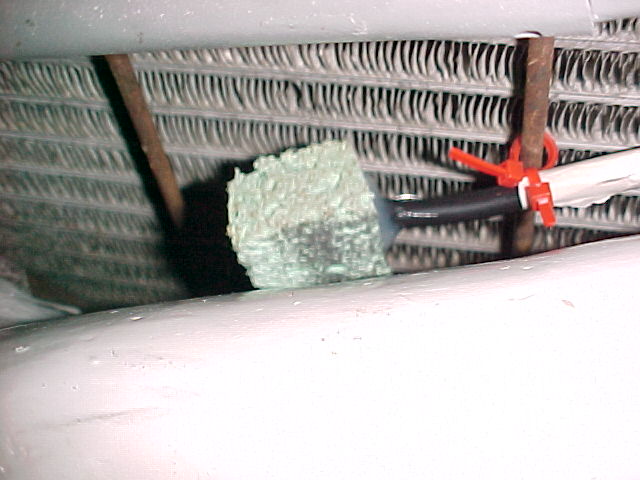
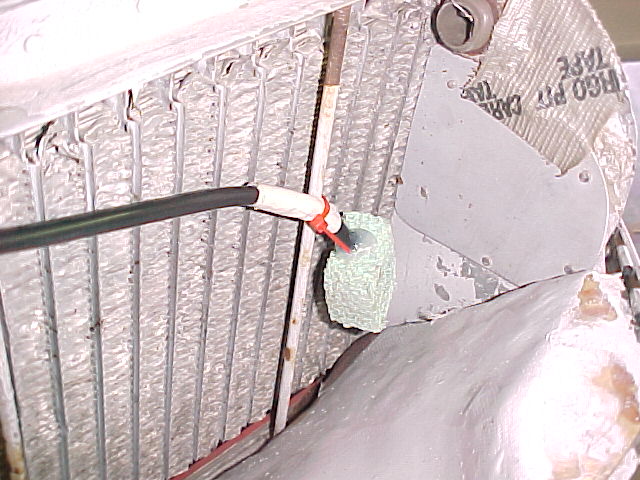
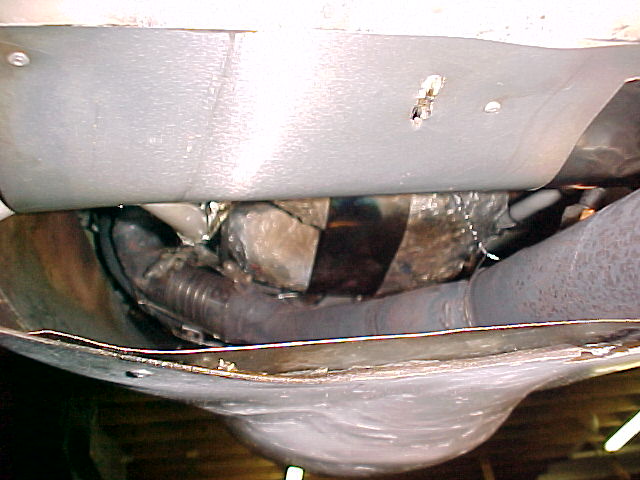
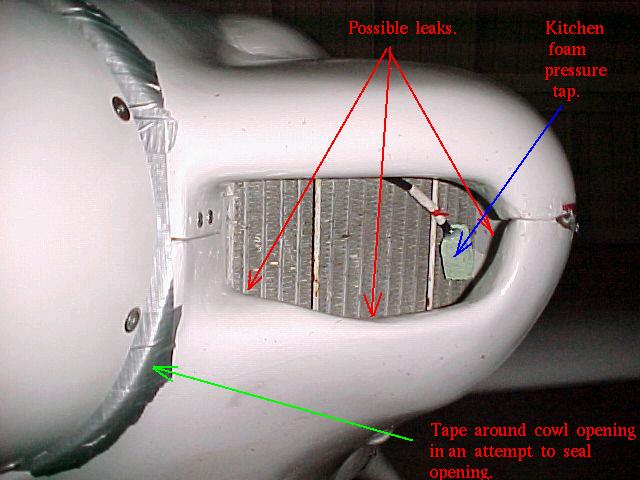
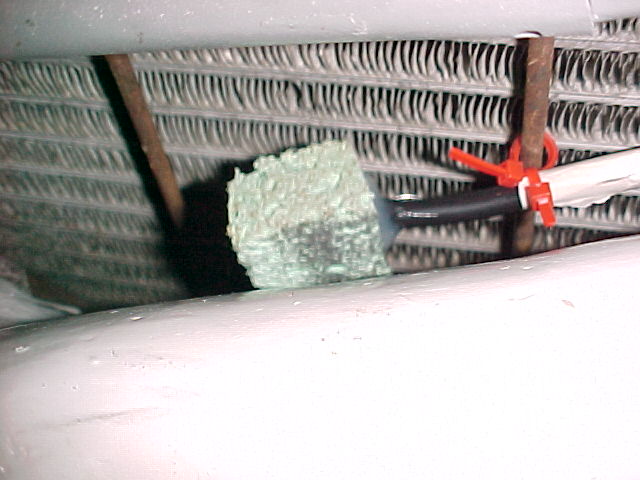
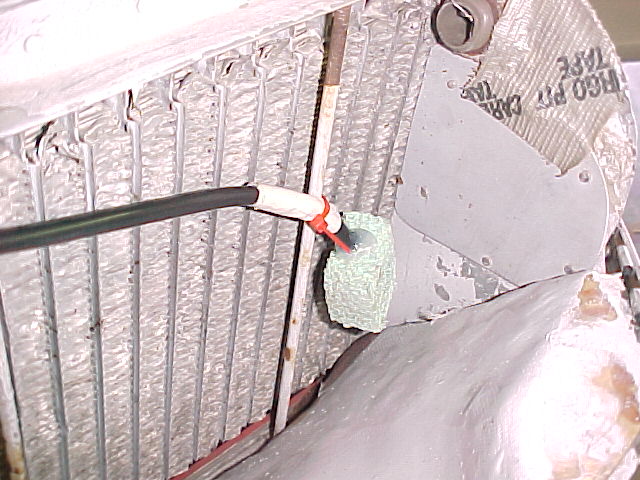
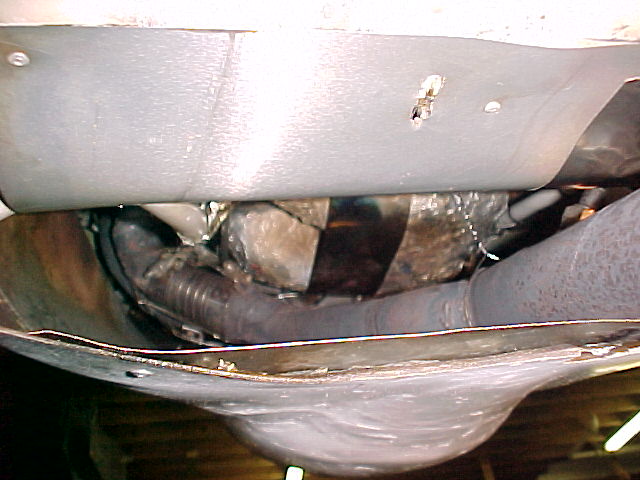
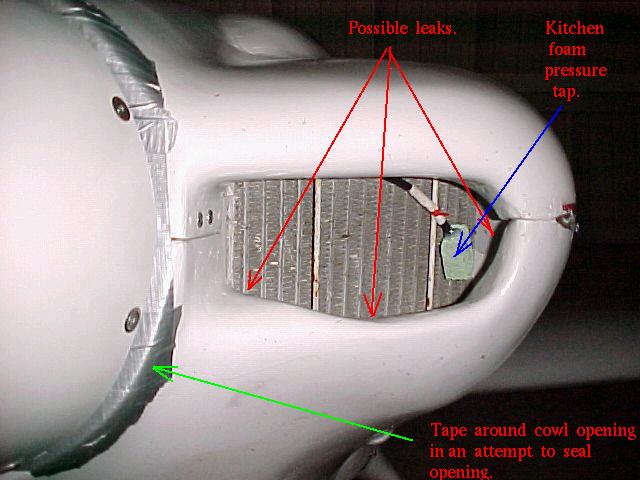
We doubled the pressure differential and hence the flow through
the rad by adding this cowl flap. The data report will
be along shortly. Coolant temp dropped 20 to 30 degrees
but it was a cooler day. For that reason the jury is still
out on whether the cooling is adequate yet.
The problem here is it is tough to install
adjustable cowl flaps as the bottom of the Pulsar cowl
opening is a compound curve. That means we need segmented
flapettes :) And a complicated control system in the bargain.
-----------------------------------------------------
Here is the spread sheet data. The pressure in the cowl
while running up on the ground was .2 to .3 inches of H2O higher
than static surprisingly. Once in the air it lowered to .8 to 1.4 inches
of H2O below static. That was the goal of the cowl flap and to be
expected.
Cowl flaps do work. Alex also thought the airplane was a
couple of MPH slower.
Paul Lamar
Been super busy but had to comment on this.
Those pressures on the back side of the rads are way off the chart
in terms of what you should be seeing.
Paul didn't like the under-cowl pressures on my RV-4 when he & I did
similar tests. We found under cowl values around 2.5 - 3.0" Hg
without any type of cowl flap. This was at airspeed of 120 MPH.
Sounds to me like something is terribly wrong with either air exit
design or instrumentation is wrong.
I'd try to find out which before resorting to cowl flaps although I
do want one myself, mainly for drag reduction at altitude where I
have excess cooling.
Tracy Crook
Well the RV4 and the Pulsar cowl designs are worlds apart.
If you take a straight edge and lay it along the bottom of the Pulsar
cowl opening the front part and rear part are almost flush.
Also I think we were climbing out slower than when we did yours.
We will get lower pressure in the cowl with a larger adjustable
cowl flap.
I thought so too on the instrumentation and I had to suck and blow
on every tube and U tube I could find to check and double check
that they were not blocked in an way. The data in the lower right
corner blew me away. Much much worse than I ever thought possible.
I am still suspicious. We actually tested three
times with consistent results. I think it is explainable because
of the way the duct was offset to the right of the core.
As I recall we did not do a survey over the face of your cores.
We merely placed only one pressure tap in front of your cores in an
arbitrary position. Here are some pix of your test.
Paul Lamar
--
The Rotary Engine NewsLetter. Powered by Linux.
ACRE NL web site.
http://www.rotaryeng.net
Copyright 1998-2005 All world wide rights reserved.