> I had to set my RV-6 down on highway 395 near Bishop Tuesday, and
here
> is the story. Mostly things I could have done better, some that I
did
> right or otherwise got lucky. It is an RV6 tip up with a turbocharged
> Mazda rotary engine.
>
> I took the RV up to Mammoth to ski for the weekend. When I
returned to
> the plane Sunday evening I discovered a small puddle of coolant
under
> the engine. I had some concerns about the cold as my antifreeze
had been
> recently diluted with water when I had to make a field repair of a
> coolant leak but I neglected to replace the antifreeze (big
mistake #1).
> I estimated 25/75 antifreeze/water and the temperatures were
supposed to
> be in the low 20's overnight. This I thought would be enough but
I was
> not sure. The puddle of coolant seemed to prove that overnight
the temp
> got low enough to freeze some coolant and crack something.
>
> A quick look under the cowl failed to reveal the source of the
leak other
> than it was not coming from the previously fixed coolant line or
> anywhere other than the radiator itself. I didn't have time to
trouble
> shoot as I had to get home to be at work the next day.
>
> I was able to hitch a ride home in another aircraft, then drive
back up
> the following evening after work. When I arrived at the airport
at 10pm
> the temperature was 3 deg F. In order to prevent any further
damage, I
> added some anti freeze and ran the engine for a while to
circulate it.
> When I left the airport at 11:30 pm the temperature was -3 deg.
This is
> obviously colder than I had expected and was probably responsible for
> the damage. The temperature in town was 20 deg despite the fact that
> town is higher in elevation. The only explanation I have for the
extreme
> low temp at the airport is temperature loss from sublimation of
the vast
> deep snow fields around the airport in the very dry air (just a
guess).
>
> I arrived at sun-up the next morning (temp again 4 deg at airport
but 19
> in town) and got to work on fixing the leak. After several engine
runs I
> determined that the leak was indeed coming from somewhere in the
> radiator. There did not seem to be any coolant in the oil, but I
> identified and fixed an oil leak in the turbo oil return line.
Also, the
> engine breather tube (which vents down in the gear leg) had
frozen and
> was causing the turbo to burn oil. That issue was fixed as well.
>
> In order to temporize the radiator leak I decided to use a can of
> radiator stop-leak and switch coolant to Evan's NPG. NPG is a pure
> propylene glycol coolant that has a very high boiling temp and can
> therefore be run with little or no coolant system pressure. I
switched
> out the coolant, added the stop-leak, and changed to a 7 psi
radiator
> cap. The stop-leak appeared to do it's job as there was no visible
> continued leak after an hour of running the engine on the ground
at fast
> idle with some brief runs at higher RPM.
>
> At about 2pm I was cold (temp at the airport now in the mid 20's)
and
> tired (had slept in the car overnight) but decided it was safe to
make
> the flight to Bishop - 27 miles away and 3000 feet lower. There I
would
> remove the cowl and give everything a good look. Since the
coolant leak
> had only lost about a quart in 3 days, was now sealed and would
be flown
> with low pressure I assumed the most I could loose in the 15 min
flight
> would be about a cup of coolant (Big mistake #2?)
>
> The first 8 minutes of flight all systems were green. Then over the
> course of a minute the coolant temp went up to over 280, oil temp
up to
> over 200 (the highest it has ever been). Being about half-way I
decided
> to continue to the lower Bishop airport. Then the alternator quit
(buss
> voltage dropped to 11.7 and battery showed a discharge). Then oil
> pressure dropped to zero, followed shortly after by the engine
stopping
> to make power and a puff of smoke coming in into the cockpit
thought the
> heater vent (cowl air - not a heat muff).
>
> It appeared as though I would be able to glide to the Bishop
airport. I
> was at 9000 feet. Bishop was 13 miles away at 4000 feet with no
> significant winds. This distance is solidly within the typical glide
> ratio of the RV6 so I calmly assumed there would be an easy
dead-stick
> onto the airport.
>
> I tried to get the prop to stop windmilling by slowing. In my initial
> flight testing I had been able to stop the prop from windmilling at
> about 80 kts. However, even by slowing to 65kts IAS I was unable
to stop
> the windmilling. It turns out that overheating the engine had
caused the
> loss of compression on all rotor faces and this prevented me from
> stopping the windmilling. I was seeing descent rates of 800-1000
fpm at
> 90 KIAS and it soon became apparent that making the airport would be
> sketchy at best, so I opted for a quality highway rather than try to
> overfly the town to make the airfield.
>
> I was able to spot a section of Hwy 395 that was 4-lane divided (no
> opposing traffic) that also seemed to be free of turns, power
lines and
> intersections. I relayed my situation to the Bishop unicom and got a
> prompt response. I turned off my fuel pump and in accordance with my
> training turned off the master power on short final... Doh! I
have all
> electric flight instruments and now had no time to re-boot either
of my
> 2 air speed indicators.
>
> My plan for traffic avoidance was to come in faster than typical
traffic
> speed, then bleed off that speed at 20 feet over the highway.
That way
> any traffic has plenty of time to see me and slow down while I am
> bleeding off speed. Touchdown was uneventful and quite a relief. No
> injury or damage.
>
> The Bishop police were there within minutes, and 2 hours later
the plane
> was tied down at the Bishop airport. I had no time or desire to
remove
> the cowl so the cause is still very unclear. A loss of the accessory
> belt would explain both the inability to cool and the loss of the
> alternator, but my bet is still on something to do with the
extreme cold
> and radiator leak. I have to shamefully admit that time pressures
were a
> contributing factor. Feeling the need to return home, I probably
rushed
> the testing process after making repairs. I should have circled
Mammoth
> airport in order to test the repairs at high power before attempting
> continued flight, especially in mountainous terrain (though there
is no
> freeway in SoCal that would be as forgiving as that section of 395).
>
> I plan to rent some kind of truck next weekend and drive up,
remove the
> wings, and bring the plane home. It will remain in our garage for the
> next 8 months while I deploy to Iraq. (Suggestions or offers for
use of
> an adequate truck or trailer would be much appreciated). This
will also
> give me a chance to paint the plane and do a lot of the finishing
> touches that will be easier to do at home than at the airport.
Obviously
> I will need to rebuild the engine as well, but that is a relatively
> minor issue.
>
> This was quite a learning experience I obviously hope I never have to
> repeat. All things considered, I feel quite lucky that things
turned out
> so well.
>
> Lastly, I want to thank the Bishop Unicom, Police Dept, Highway
Patrol,
> Cal Trans, and Fire Department who were all very professional and
> helpful. Also, thank you to the fellow RV6 owner was passing by
and took
> an hour and a half out of his day to drive back up to Mammoth and
get my
> car for me.
>
>
> Dave Leonard
> Turbo Rotary RV-6 N4VY
>
http://members.aol.com/_ht_a/rotaryroster/index.html
>
http://members.aol.com/_ht_a/vp4skydoc/index.html
>
>
> Needless to say I am damn glad your OK Dave. Can't help you get a
flat
> bed truck other than money but If I can help with driving or
disassemble and
> loading and unloading let me know. Best to get a rental truck
down there
> anyway.
> We can meet in Lancaster. What day are you planning on going up?
>
> Paul Lamar ...No rotor no motor.
>
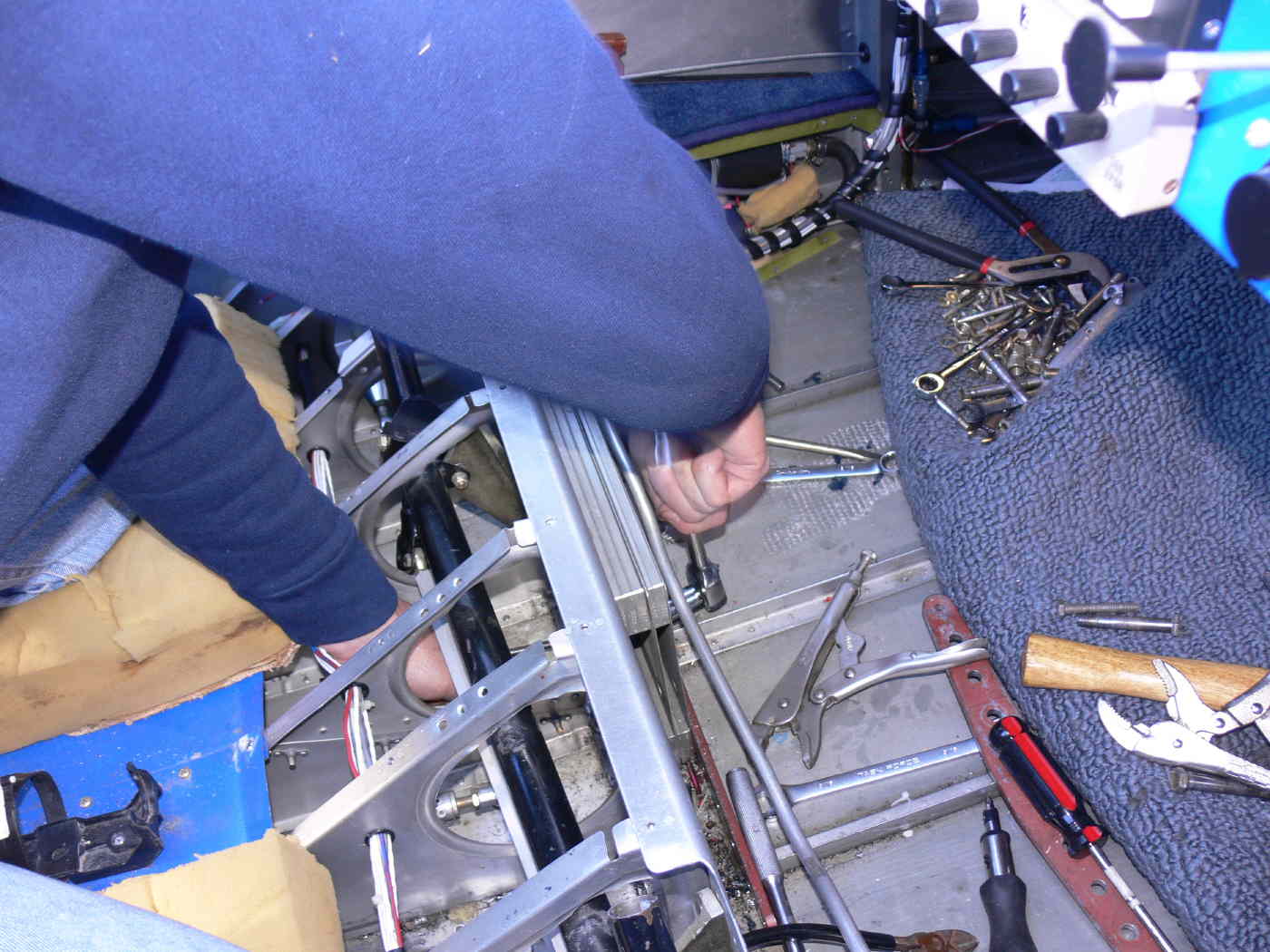
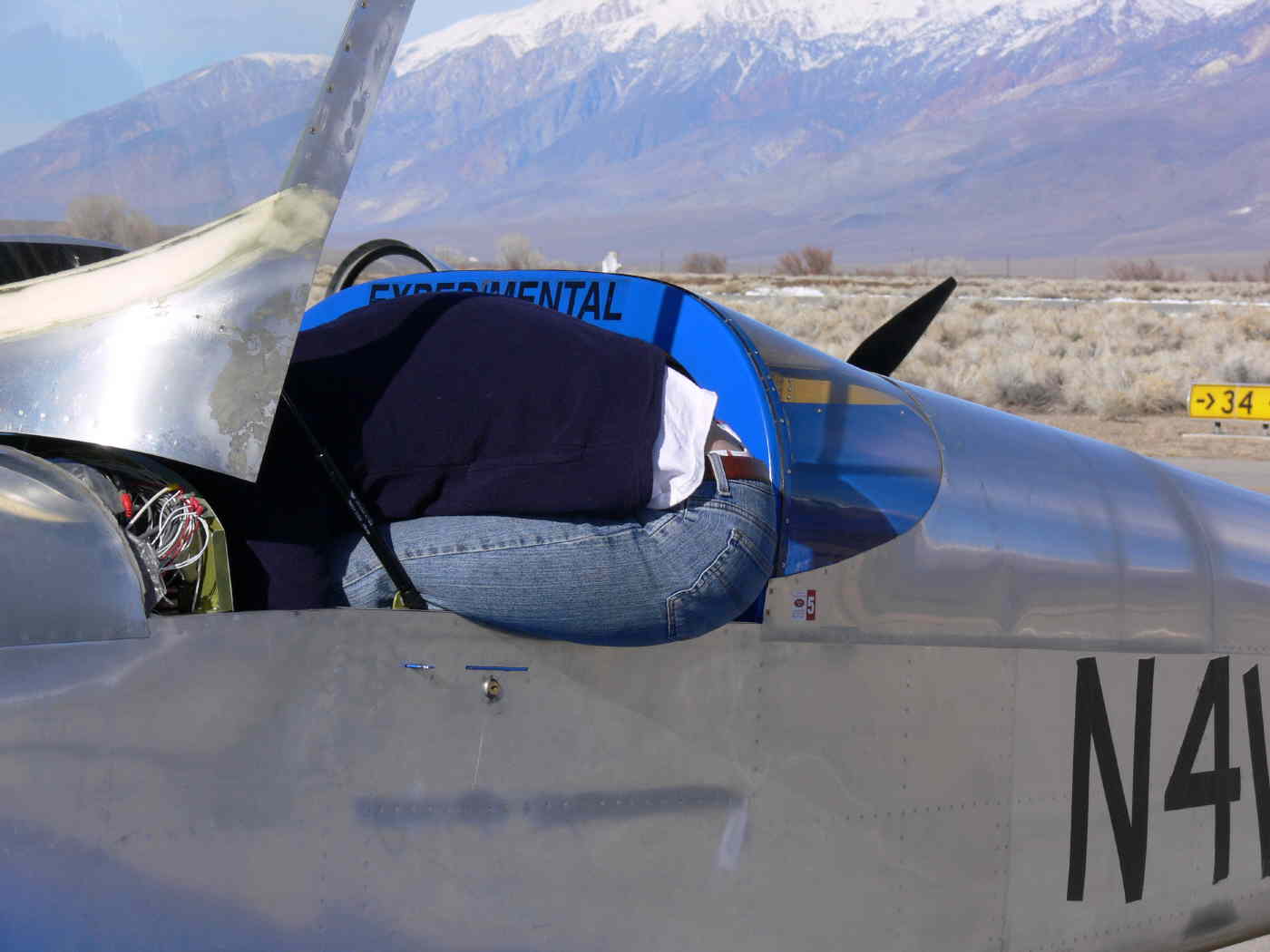
Well half the RV'er in So Cal showed up to help Dave disassemble the
airplane.
Here is a picture I took at dawn. By 3 PM the aircraft was striped down
and loaded into a 26 foot Penski rental truck. More pictures later.
No definitive
answer on what caused the engine to blow out all the NPG+ but blow
it out it did.
Me and Dave suspect there was still water in the system that boiled
and blew out the
NPG+. I'll order some NPG+ and do some heating/boiling test with
water.
The Stop Leak Dave added was all over the ignition coils and
everything else
for that matter as there was no catch can as in the conventional
automotive type
cooling system. More about that later.
The multi V belt driving the water pump and alt looked fine. A bit
loose
but not enough to slip IMHO.
More on all this later.
Paul Lamar ...No rotor no motor.
-----------------------------------
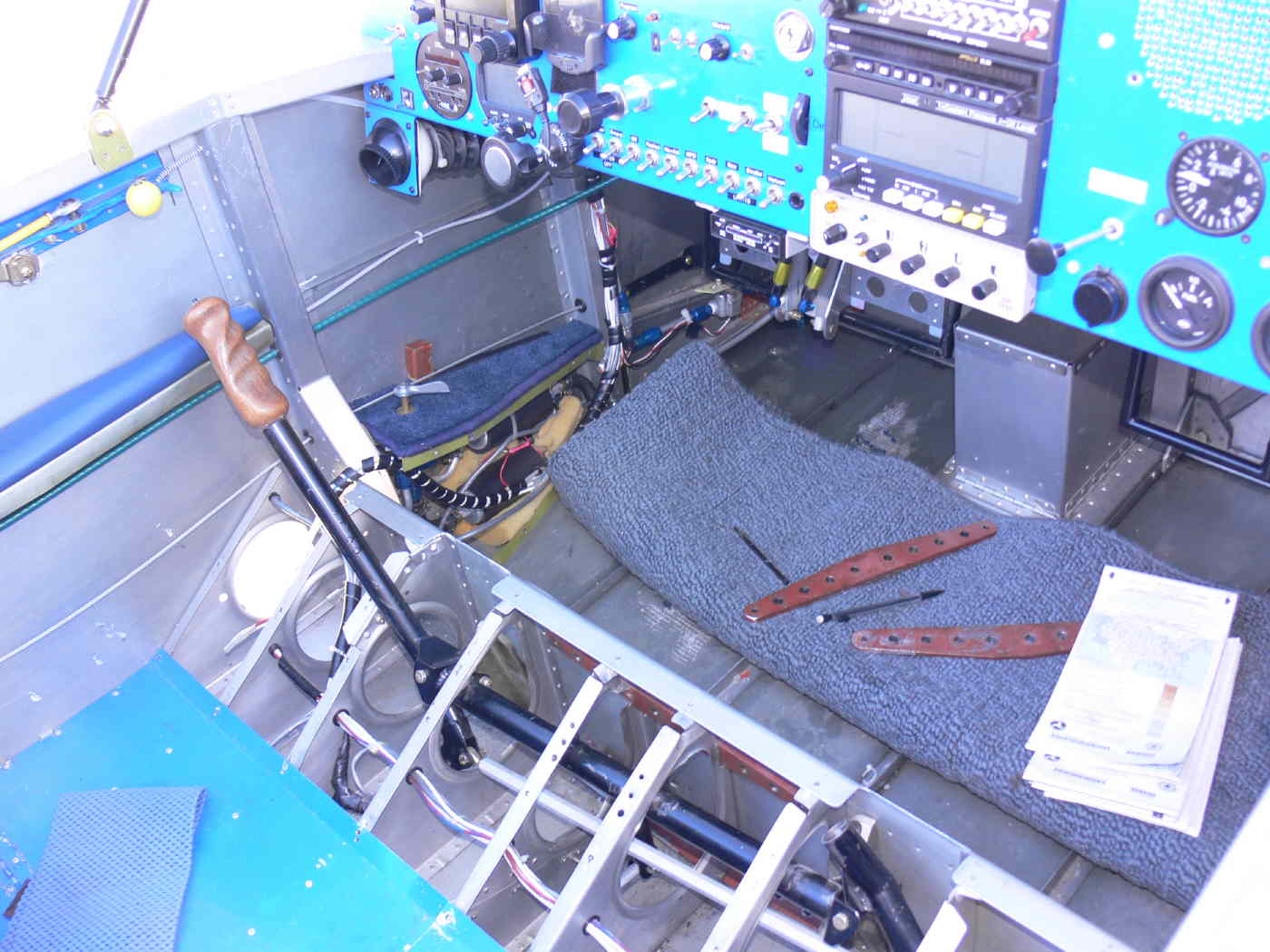
More pictures.
There is one scenario we have not explored yet.
When Dave first discovered the coolant leak he started the engine
and let it warm up. Somewhere along the line it may have exceeded
250 F or so. This will expand the aluminum rotor housings to a
greater degree
than the steel expansion bolts can stretch or expand. Especially if
you attempt
to warm it up too fast. What sometimes happens is the rotor housings
permanently yield in compression slightly. This is known as a "shrunk"
rotor housing. This would then allow combustion pressure to leak into
the cooling system blowing out the coolant. This scenario is rather rare
these days but could happen in extreme ambient temperatures.
The only way to detect this is to disassemble the engine and use a 3
to 4 inch
micrometer and measure the rotor housing width. The shrinkage is
usually on the order
of .003 to .005 inch. Just enough for the combustion gases to get in
there
and destroy the coolant sealing silicone O-rings. Teflon
encapsulated O-rings
are somewhat more robust being good to 500 F minimum and up to 800 f.
Also Teflon is inert to just about all known chemicals.
Unless Dave allows me to go down to his house and disassemble the engine
while he is at work we won't know for sure for 8 months as he is off
to Iraq.
Paul Lamar ...No rotor no motor.
Paul, I can't thank you enough for driving all the way up there to help
me get the plane apart and back home safe. I never could have done it
in a single weekend without your help. I promise to try to get the
engine apart before I leave so we can have some more clues.