>
> Subject: Cooling system plumbing design
>
> There should never be any air anywhere in the cooling system up
to the
> pressure cap.
> ----------
> Mercedes, Volvo and others use a single expansion reservoirs with
pressure
> cap that are filled about half way when cold. As the engine heats
up the
> air is compressed - expands again as things cool down. With no
compressed
> air, the cooling system pressure goes to zero (or very slightly
negative)
> any time you reduce the power from a higher level, even at high rpm.
>
> I run a 23# cap on the filer neck (on left in photo, connected to
the pump
> inlet side, no air under it), and a 15# cap on the overflow
bottle (on
right
> with cap off) - which only has a couple inches of coolant in it
when cold.
> That way there is always some positive pressure on the system,
which could
> be important at altitude. The two small lines going off to the
sides are
> air bleed lines from the 2 rads.
>
> Also, I have found that the hot-cold volume change in my 20B
system is
less
> than 1 quart, so a gallon overflow bottle is unnecessarily large,
especially
> for a 2-rotor.
>
> FWIW,
>
> Al
>
>
------------------------------------------------------------------------
>
> I was referring to the part of the cooling system that was
actually in the
engine.
> I am sure the water pump does not like to pump air bubbles.
>
> Your system looks very similar to what Dave had.
>
> "With no compressed air, the cooling system pressure goes to zero
> (or very slightly negative) any time you reduce the power from a
higher
> level, even at high rpm."
>
> Are we talking absolute pressure here or zero pressure relative to
atmospheric?
> What value pressure cap does Mercedes and Volvo use? I suspect if the
engine
> get hot enough it could blow up the tank or the rad if no
pressure relief
were used.
>
> Ken has a pressure gage on his cooling system that indicates pressure
relative to
> atmospheric. As the engine warms up the pressure goes up and stays up
> regardless of power or RPM I think. Hard to tell for sure when
you are
flying
> as the RPM never gets below 5000 during cruise. It is only a
function of
coolant
> temp I think. As the engine cools off the gage reads negative
relative to
atmospheric
> and coolant is sucked back into the system from the catch can. Is
this
correct Ken?
> We probably need a plot of the pressure verses the coolant temp. Then
another
> plot when the coolant is cool of pressure verses engine RPM.
>
> Continental liquid cooled engines used a system similar to what you
describe
> above but they used a 50 psi pressure cap. Consequently the 3
gallon 1/4
inch thick
> wall tank had about one or two gallons in it when the engine was
cold.
Unfortunately
> the tank and the extra coolant at around 8 pounds per gallon adds
a lot of
weight.
> I assume if the pressure exceeds 50 psi coolant is lost.
>
> Here is an excerpt from their SAE cooling paper on the subject.
>
> "The pump uses a cast-aluminum, closed-impeller design,
> operating at speeds up to 8100 rpm. A pressure rise of 207 kPa at a
> flow rate of 114 L/min. [aprox 28 GPM] occurs at rated engine speed.
>
> An existing commercial, ground-vehicle ethylene glycol
> formulation was initially selected as the coolant. A 60/40%
> solution of ethylene glycol/distilled water was specified to ensure
> adequate freeze protection. Typical inhibitor packages for these
> coolants include phosphates, borates, hydroxides, nitrates,
silicates,
> and triazole. Initial coolant change intervals at 250 h of
> operation or one year were selected, based on coolant supplier
> recommendations.
>
> To operate at the elevated coolant temperatures, higher
> system pressures are employed for suppression of boiling and
> cavitation. During the engine dynamometer development phase, a
> cylinder head temperature profile was obtained to evaluate
> temperature gradients by embedding thermocouples throughout the
> cylinder head. The maximum metal temperature measured at the
> combustion chamber surface is 210 C between the valves. The typical
> coolant temperature rise across each cylinder is 8 to 11 C."
>
>
> Paul Lamar ...No rotor no motor.
Hi Paul,
For some of us non-engineers who forgot that boiling temperature
decreases
with pressure (and then occasionally wake up when we see discussions
like
this,) remind us of what liquid cooled aircraft engines of the WWII
vintage
did to solve the problem way back then. They often flew at much higher
altitudes than most of us ever plan to so they must have had it
worked out
pretty well.
Robin
Robin, I think you said this, but let me expand on temp vs.
pressure. As pressure decreases with increasing altitude, the
boiling temperature also decreases. ( the less pressure, the more
the water [air?] molecules can jump out of the water and escape -
boiling). If we increase the pressure with a radiator cap (or in a
pressure cooker) it takes a higher temperature to boil.
The current way to also increase the boiling point of water is to
mix it with ethylene glycol. I don't believe this was available in
WW2 so they probably used water mixed with denatured alcohol (to
prevent loss by crew members)
Joel
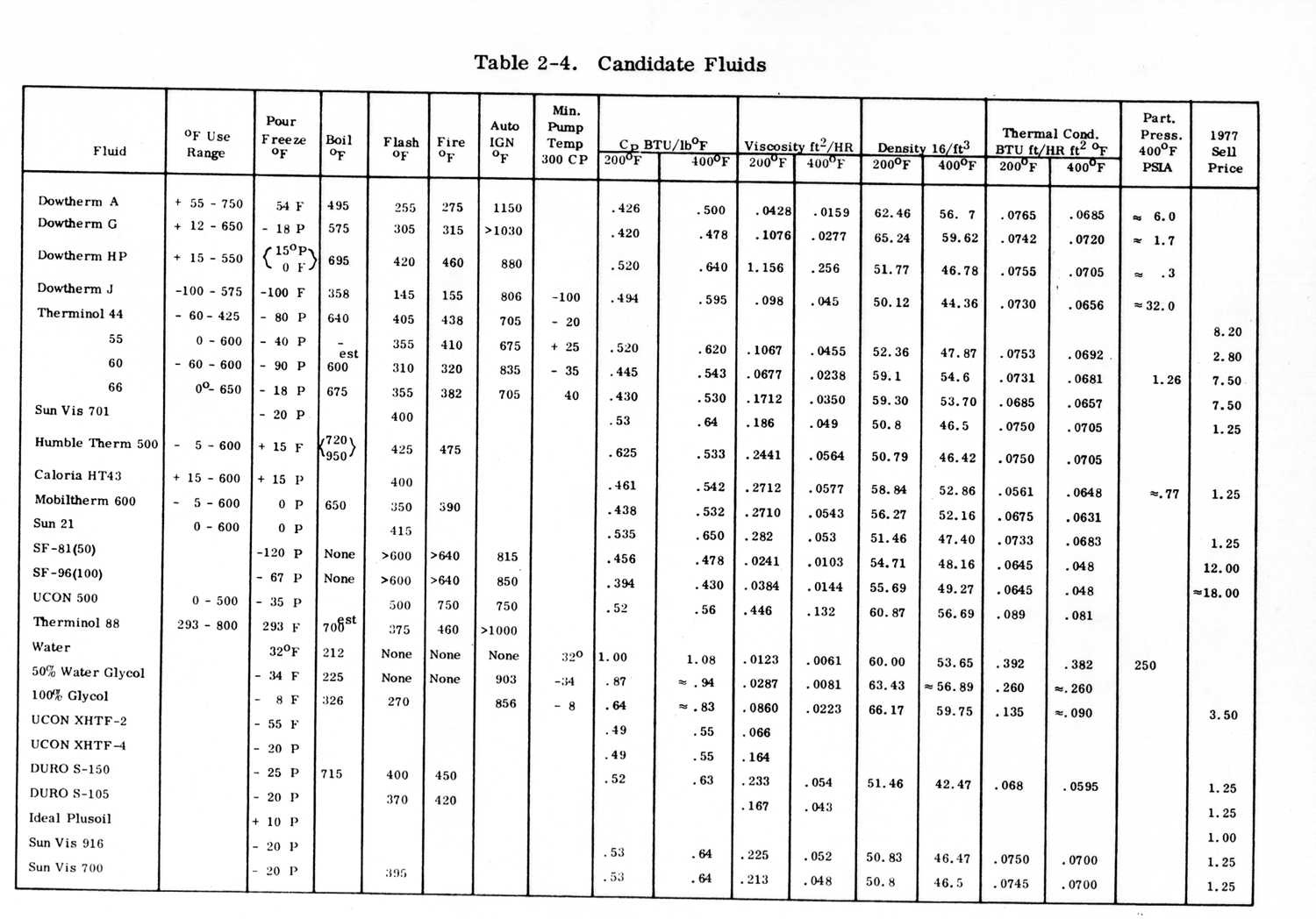
They had glycol in WW II. In fact they tried pure glycol.
Trouble was the thermal conductivity of pure glycol was no where near
as good as pure water (few fluids are) so it was mixed with water to
improve the thermal conductivity.
Paul Lamar ...No rotor no motor.
The Rotary Engine NewsLetter. Powered by Linux.
ACRE NL web site.
http://www.rotaryeng.net
Copyright 1998-2005 All world wide rights reserved.