>> I like David's constant pressure design the best for an
inverted
>> system. I'm not sure why the design was dropped so quickly on the
>> list.
>> I have been trying to find a way around Aubrey's objection
to the
>> constant "high" pressure when the engine is at rest.
>> The engine is at rest for quite sometime before the liquid
cools
>> down and retracts reducing pressure. Is this enough time to get
the
>> o-ring shift?
>> How much does a 75F to 30F then back to 75F ambient
pressurize
>> the system? When the temp falls liquid is suck up from the A-
can. >> Then
>> the temp comes backup and pressurizes the system. Extremes
happen >> like
>> this in Arizona where 75F day and a 30F night mid winter.
Summer time
>> might have even higher extremes. Can this produce enough
pressure to
>> get the o-ring shift.
>>
>> But, to relieve pressure at rest.....
>> If we put a spring in the liquid side of the P-can as in the
>> attached picture (badly drawn red spring). Then charge the air
side
>> with the upper bleeder open, so we get the air and the spring in
>> equilibrium. Then when the system is at rest we have a relatively
>> non-pressurized system.
>> ?Ideally? the spring provides equilibrium in a short throw. So
>> that when the system starts to expand it will leave the spring
>> behind.
>> At rest with the spring and air in equlibrimum and a
ambient temp
>> cycle, as above, the pressure of the system should stay more
constant
>> by allowing the system to grow without exceeding trigger point to
>> overflow.
>>
>> --
>> Blake C. Lewis
>>
>> The way I see it there are two major problems. As far as I can
>> tell there is
>> no way to get dissolved air and gas out of the coolant.
Second, >> it is expensive
>> to make as you need a large lathe. The whole idea with the
Mazda >> RX8 system
>> is to get the air out on a continuous basis.
>>
>> BTW the cooling system in my RX8 appears to be far more robust
than
>> in my RX7. From time to time the RX7 would get hotter than
the >> thermostat.
>> The RX8 never seems to do that.
>>
>> Paul Lamar ...No rotor no motor.
>
> If formation of air bubbles is a one time event as suggested by the
> experiment with boiling water on the stove (sorry I forgot who did
> that but it was very informative ) then, there could be a bleed
> line with valve which would be opened only for the the initial
> engine run to allow air to escape. The bleed line would not have to
> be part of the floating piston can. Jerry
>>
>
> It was Bill Schertz that said you had to boil the water.
> After you boil the water in the block by letting the engine
overheat
> how do you know you have all the disolved gas out of the coolant?
Dissolved air leaves the coolent as it is heated and before boiling
temperatures are reached. I just tried heating water in a pan but
keeping it below boiling temp. I don't know the exact temp because I
don't have a thermometer but it was not even simmering. Later today
I will repeat with a thermometer. The bubbles formed almost as soon
as the burner was lit. No new bubbles were formed after a few
minutes. And as was previously reported, when the water is allowed
to cool and is then reheated, no bubbles form. It took about 25
minutes for all the bubbles to disappear because they cling to the
pan. If the water was being circulated, I think the bubbles would be
scrubbed away much quicker. Steam bubbles, on the other hand, do not
cling to the pan, they rise immediately. If the water is heated
to a yet to be determined temp (below boiling) and held there for a
yet to be determined time, we can be sure all the dissolved gas is
out of the coolant, at least as long as the coolant is water. I
don't know the effect of antifreeze yet. My apologies to who ever
did this experiment first--they deserve all the credit. Jerry
Bill Schertz said the water MUST be "boiled".
Paul Lamar
The capacity for water to hold dissolved air decreases as the
temperature increases. When the water boils, you know all the air has
been driven out. see http://www.omega.ca/techref/ph-1.html
BTW, I have a hot water heating system in my home. There is a small
module that automatically releases air from the system. See
http://www.filterace.com/detail.aspx?ID=960 for an example. These
boilers don't want to have air dissolved in them as it reduces the
life
of the components (not sure which ones). But I was told by a heating
repairman that if you ran fresh water thru them continuously
instead of
recirculating the same de-gassed water that it was very bad for the
system. The air separator only comes into use when fresh water is
introduced into the system.
Bob W.
>
http://www.bob-white.com
> N93BD - Rotary Powered BD-4 (first engine start 1/7/06)
> Custom Cables for your rotary installation -
>
http://www.roblinphoto.com/shop/
Actually, according to my experiments yesterday, all the dissolved
air is driven out by the time the water has been at 165 degrees for a
few minutes. No need to boil it at all. Jerry
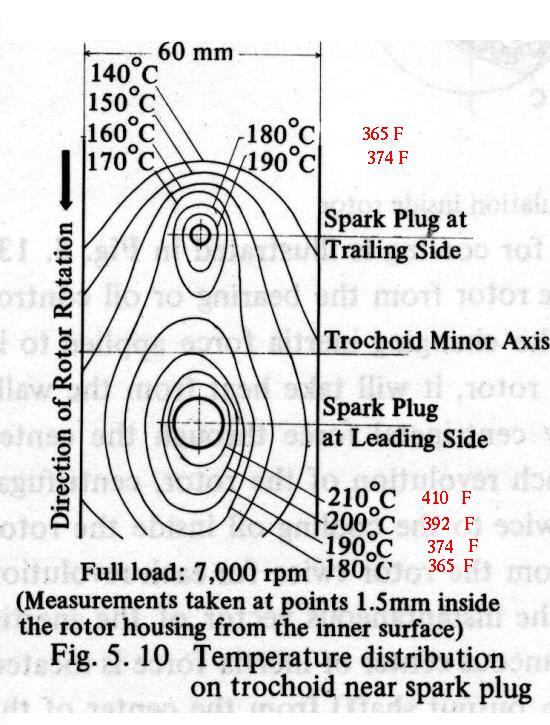
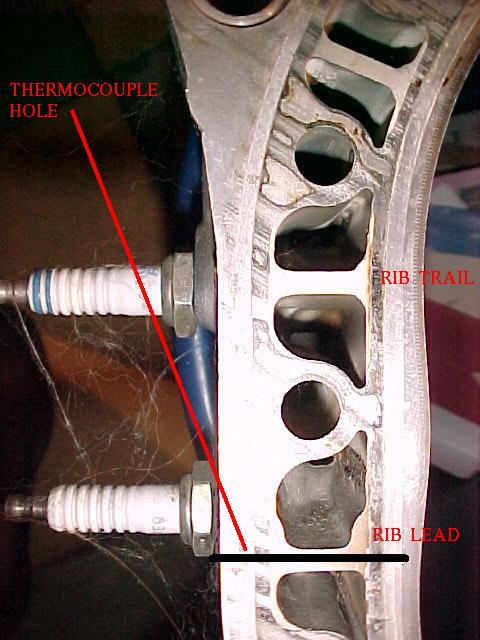
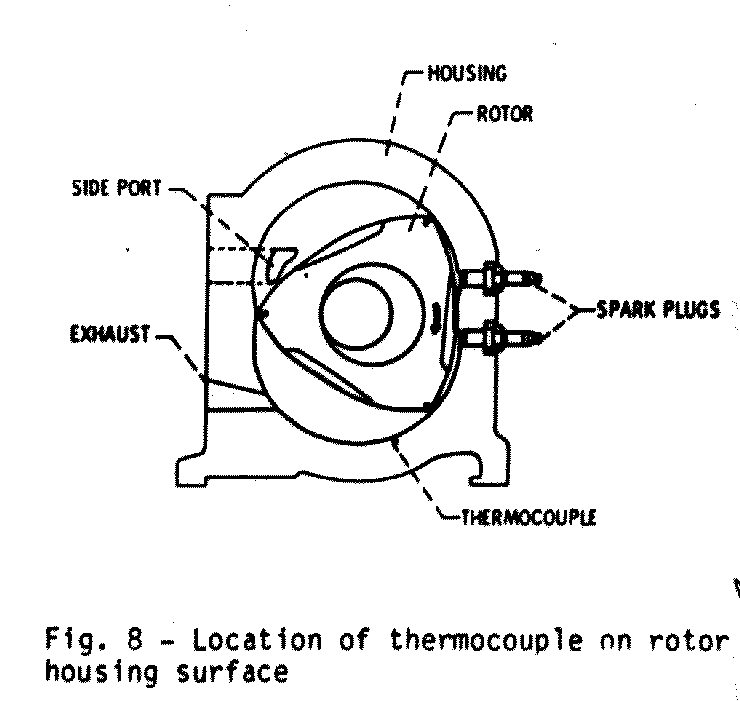
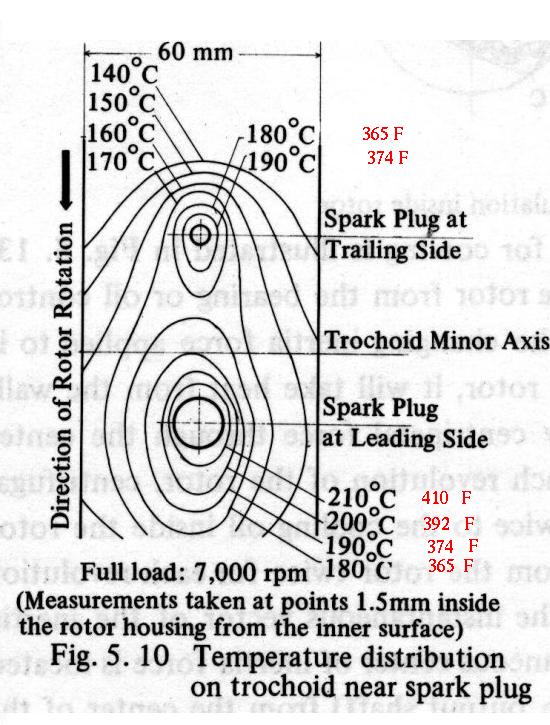
How do you know unless you boil it? Some boiling is probably going
on in the engine is some hot spots around the spark plugs generating
steam. The metal temp is 210 C or 410 F.
http://www.woodrow.org/teachers/chemistry/institutes/faraday/lect3.html
Exp. 13: Steam sent through a pipe into a vessel [MODERN LAB]
The temperature of these changes 212° F - scalding hot. Steam very bulky.
``One gallon of water makes [1325] gallons of steam.''
Paul Lamar ...No rotor no motor.
The Rotary Engine NewsLetter. Powered by Linux.
ACRE NL web site.
http://www.rotaryeng.net
Copyright 1998-2005 All world wide rights reserved.