Here is an interesting theoretical study done in 1995.
You can download it at:
http://ntrs.nasa.gov/archive/nasa/casi.ntrs.nasa.gov/
The rotary engine studied was a vapor wear engine from RPI
burning jet A. The RPI engine breathing was limited. Probably
not a p-port. The results would have been more realistic if they
had used a real Mazda rotary engine with p-port burning gasoline. :)
There is one thing I think one can conclude from this study is
the BSFC gets better if you load down the engine at low
RPM with a high pitch prop. Constant speed or variable pitch
prop. Probably due to engine friction.
If I am understanding this chart correctly it took all most three
times less weight of hydrogen fuel (in terms of BTU per pound of fuel
carried) to get 300 HP as all three of the non hydrogen fueled engines
needed in oil based fuel heating value. Of course the tank would be
the size of a weather ballon :)
Paul Lamar
-------------------------------------------
Propulsion system assessment for very high UAV under ERAST
Bettner, James L.; Blandford, Craig S.; Rezy, Bernie J.
NASA Center for AeroSpace Information (CASI)
NASA-CR-195469; E-9653; NAS 1.26:195469; EDR-17199 , 19950501; May
1, 1995
A series of propulsion systems were configured to power a sensor
platform to
very high altitudes under the Experimental Research Advanced Sensor
Technology
(ERAST) program. The unmanned aircraft was required to carry a 100
kg instrument
package to 90,000 ft altitude, collect samples and make scientific
measurements
for 4 hr, and then return to base. A performance screening
evaluation of 11 propulsion
systems for this high altitude mission was conducted. Engine
configurations ranged
from turboprop, spark ignition, two- and four-stroke diesel, rotary,
and fuel cell
concepts. Turbo [compound] and non-turbo-compounded, recuperated and
nonrecuperated arrangements,
along with regular JP and hydrogen fuels were interrogated. Each
configuration was
carried through a preliminary design where all turbomachinery, heat
exchangers, and
engine core concepts were sized and weighed for near-optimum design
point performance.
Mission analysis, which sized the aircraft for each of the
propulsion systems
investigated, was conducted. From the array of configurations
investigated, the
propulsion system for each of three different technology levels
(i.e., state of
the art, near term, and far term) that was best suited for this very
high altitude
mission was identified and recommended for further study.
Accession ID: 95N27866
Document ID: 19950021445
Updated/Added to NTRS: 2005-08-25
-----------------------------------------------------------------------
Couldn't find the article, however, liquid hdrogen is the preferred
state of fuel.
Joel
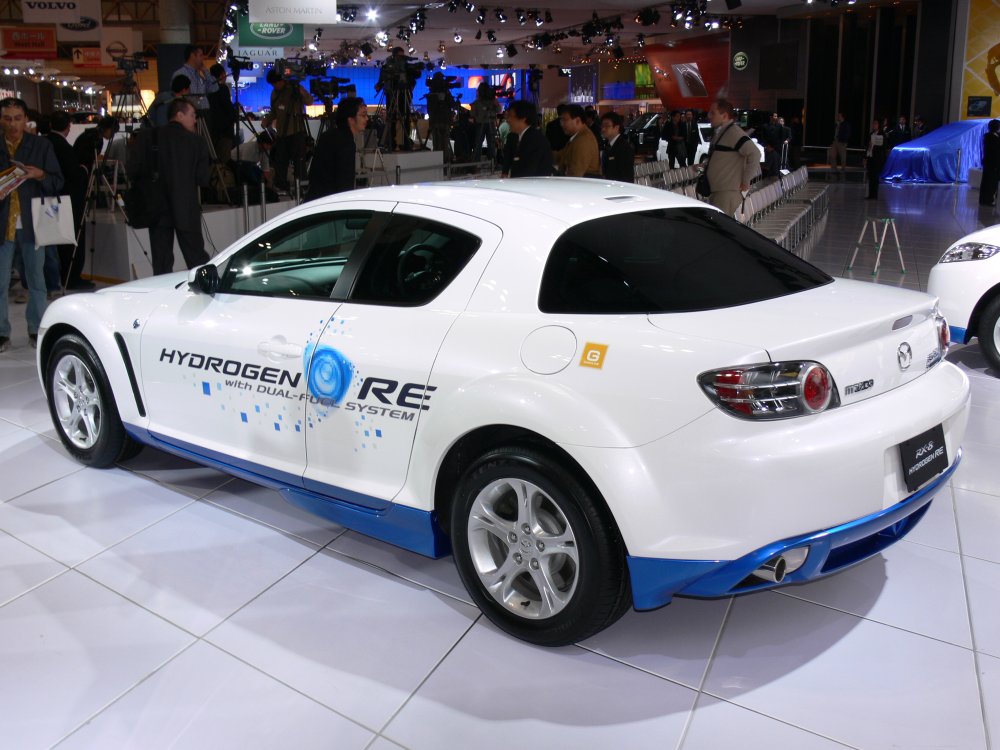
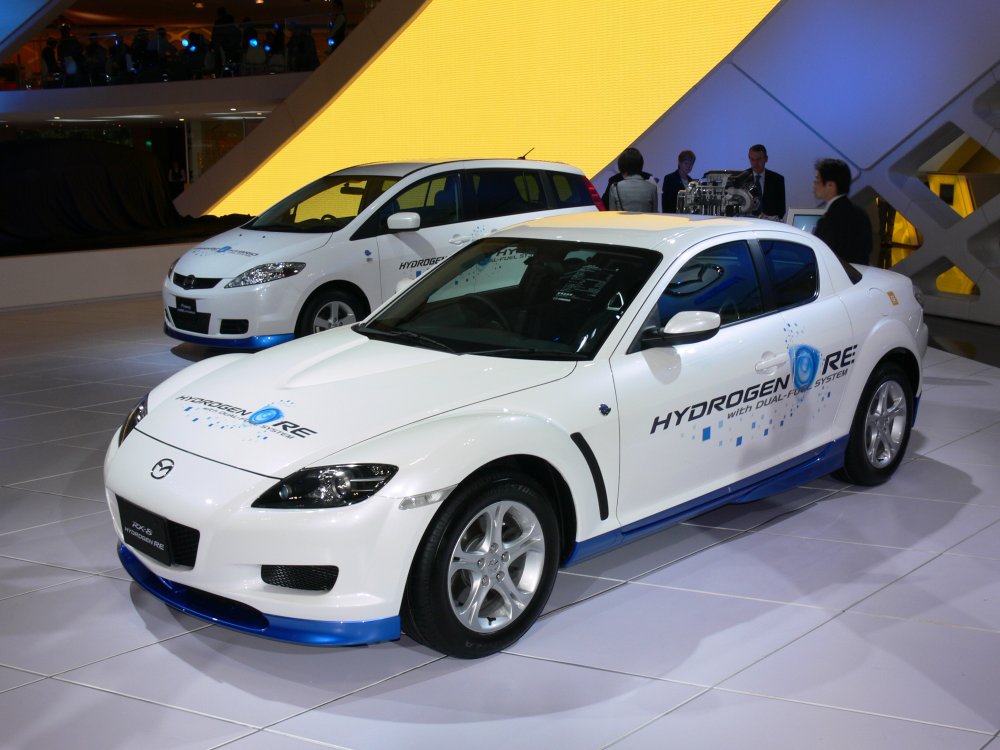
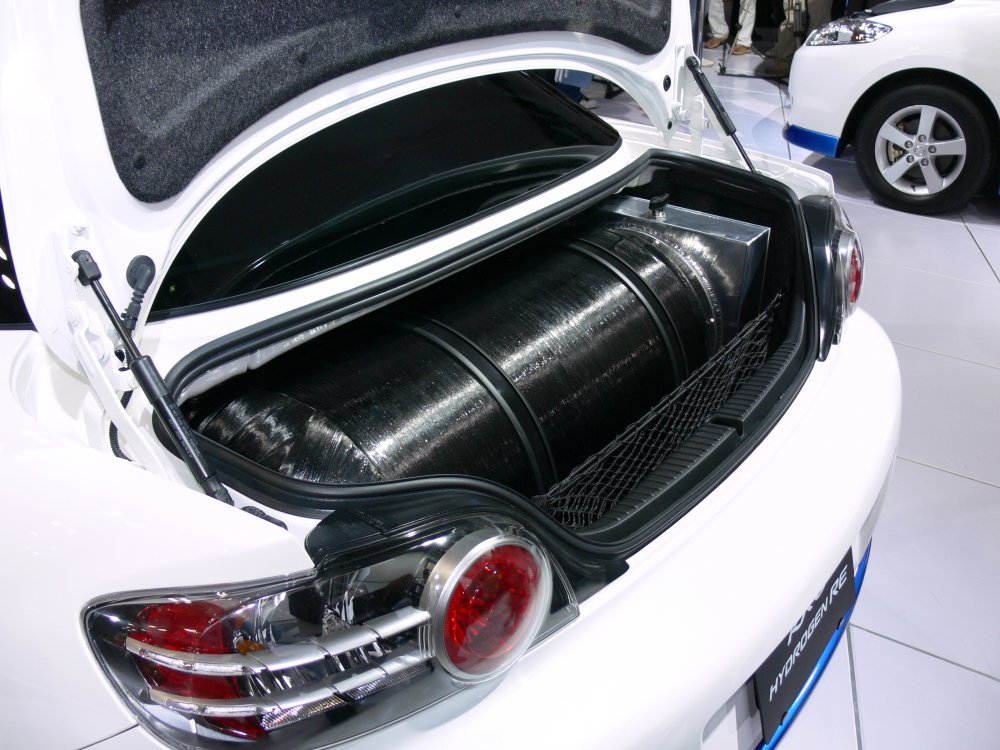
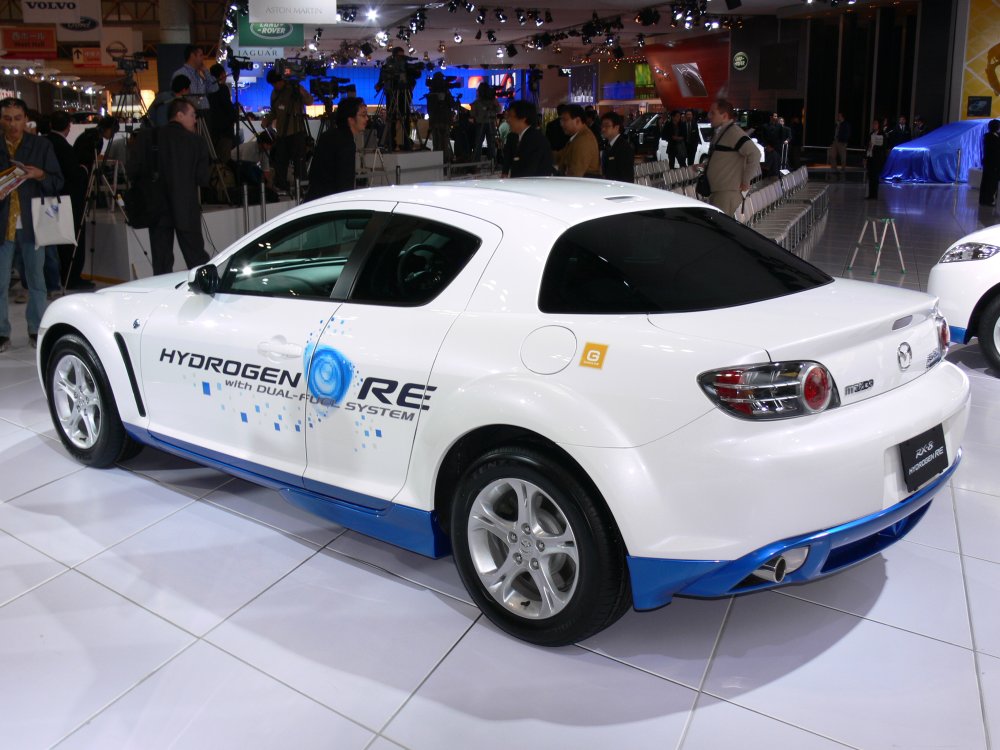
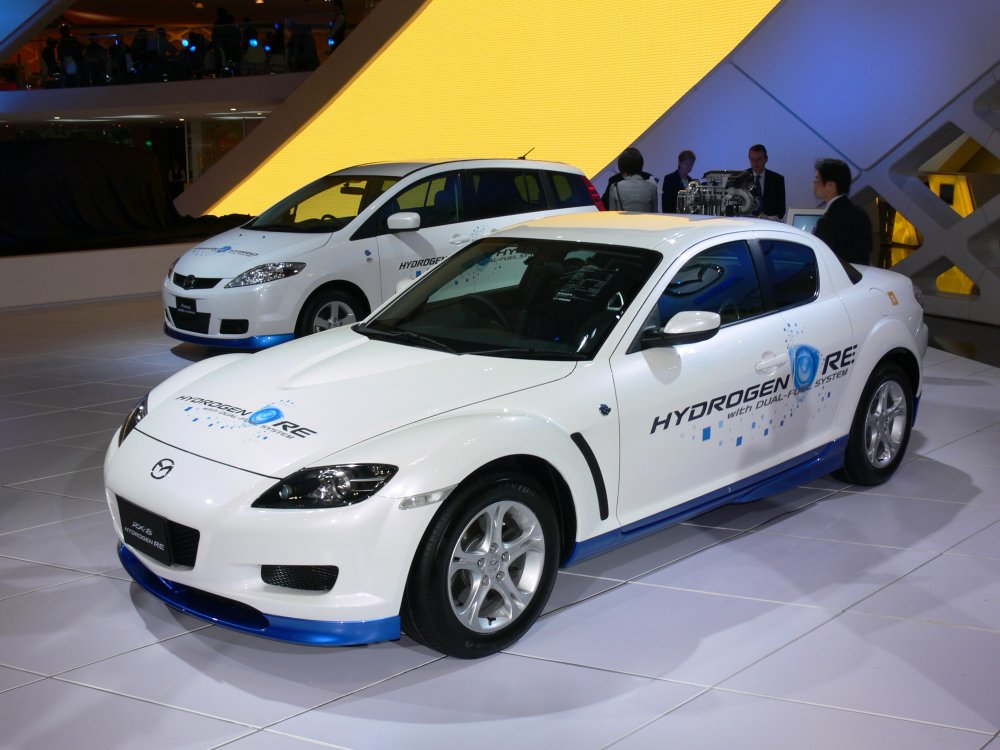
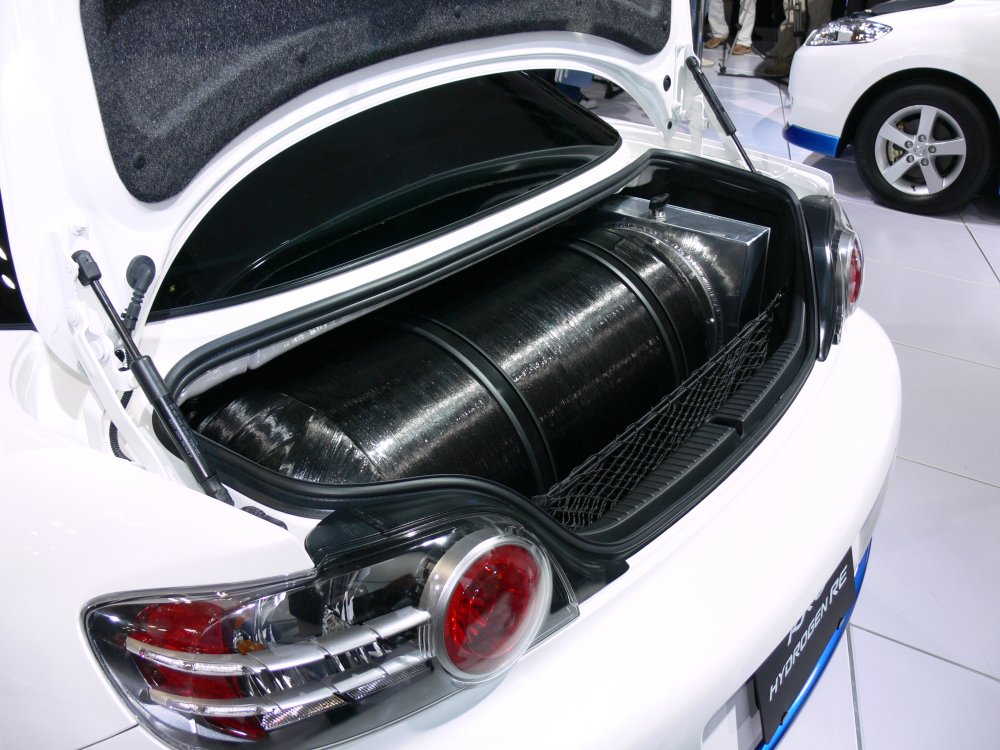
I was going on the hydrogen powered RX8 and assumed it was high
pressure gas.
Paul Lamar
The Rotary Engine NewsLetter. Powered by Linux.
ACRE NL web site.
http://www.rotaryeng.net
Copyright 1998-2006 All world wide rights reserved.