These were a bear to draw :) First 3D jpg.
Pratt & Whitney style herring bone with oil pressure release.
Pratt & Whitney claims over 99 percent efficiency for the PSRU
they
made.
These gears are 48/36 (1:33) reduction after the
9:1 traction drive giving an over all reduction of
12:1. At a turbine RPM of 85.000 the small pulley will
be turning at 7083 RPM.
The big gear has P.D of 2 inches and the small a P.D of 1.5
inches.
each gear is a half inch wide. The herring bone arrangement
cancels
out the helical gear thrust. The gears can be reversed as can
the multi V belt pulleys to give a range of adjustable ratios.
The HP is anybodies guess as Boston Gear does not rate them for
3900 FPM pitch line velocity. The formula says 56 HP but they
talk about 1500 FPM max. They are the best Boston Gear makes
with hardened steel and polished teeth. Hopefully they will live
long enough to get some dyno data.
Of course they reverse the direction of rotation making this box
work with a stock Rx7 Turbo II engine turbo charger putting
excess
turbine
power into the nose of the e-shaft.
------------------------------------------------------
Here is what the complete box looks like with out shafts and
traction drive
parts. It is a check on fit and assemble. Also no helical gears
as
they take
up considerable megabits. Yes There are a few holes missing hear
and there.
I cannot imagine doing projects like this before 3D programs. For
the guys
designing engines in the old days it must have been a major
undertaking.
Second 3D jpg.
Paul Lamar ...No rotor no motor.
Hi Paul,
Could you please remind me why you need the clutch(es)?
Thanks,
Matt-
Well the engine has the potential HP to destroy the gear box.
If the engine drives the gear box it would attempt to accelerate the
turbo charger
and the rotational inertia of the turbo charger is enormous as it is
sped up at least ten times faster than the engine. That turbo charger
will look like a huge flywheel to the engine and the gear box is not
designed
to endure those kinds of torques or loads.
In addition to that if that were not enough the engine could in theory
drive the turbo charger to an RPM it was not designed to sustain.
Lets say the best overall fixed ratio is 12 to one without clutch.
At 72,000
RPM from the turbo charger the engine is running at 6000 RPM cruise.
If you took off at 7500 engine RPM the turbo charger would be running
at 90,000 RPM which may be detrimental to its health.
The centrifugal loads on the hot turbine blades are enormous at 90,000
RPM and above. With a waste gate we can limit the turbo charger RPM
to something reasonable.
Paul Lamar ...No rotor no motor.
Thanks Paul..
So the clutch will engage when the turbo wants to turn faster than the
engine (via the gear reduction)... Any problem associated with rapid
deceleration of the engine (throttle snap closed)? I suppose the
deceleration forces are lighter than the acceleration forces (throttle
off vs throttle on rate of change of RPM)..
How noisy is the traction drive unit? Is it lubricated or bathed in
oil? Does it need cooling? Seems like the drive unit depends on the
components being springy. How much heat is generated by flexing the
pieces? Any resonance issues? Will any of the clearances dramatically
change with temperature such that the mechanism won't work (not enough
traction)?
Matt-
Yes I think you have some thing there. The inertia of the prop should
slow the acceleration and deceleration. Hopefully the belt will slip
in both case as it too has limited HP transmission capabilities. The R3350
TC had
fluid couplings which I am trying to avoid. I have no idea so far on the
noise
but helical gears are supposed to be quieter than straight cut spur gears.
Heat on flexing the ring piece is reputed to be rather high and that is
why
an active cooling system is required. For the dyno model we will use
an electric pump to pump oil through the box to cool it.
I am thinking those helical gears will make a pretty good oil circulation
pump on their own.
I am sure there are resonance issues. There are always resonance issues :)
I hope to demonstrate the principle to the engine engineering world and
hopefully someone with huge resources will take over R&D. Mazda
would be the logical choice. A small all aluminum turbo compound light
weight
rotary would make an excellent generator driver for a hybrid car as they
run at one RPM most of the time.
Paul Lamar ...No rotor no motor.
My kid was watching CSI last night and one of the themes was street racing,
some of which caught my eye. In particular was a scene where a
mechanic/racer is explaining to the cops how his car has a turbocharger with
the compressor removed and the turbine puts power back into the engine via
the fan belt. Now I know this is just Hollywood but it might be interesting
to see if there is anything to it, are the street racer doing this and how ?
I don't know anyone who seriously hot rods anymore but I bet there are a few
in Lamar Land.
John Gibbons
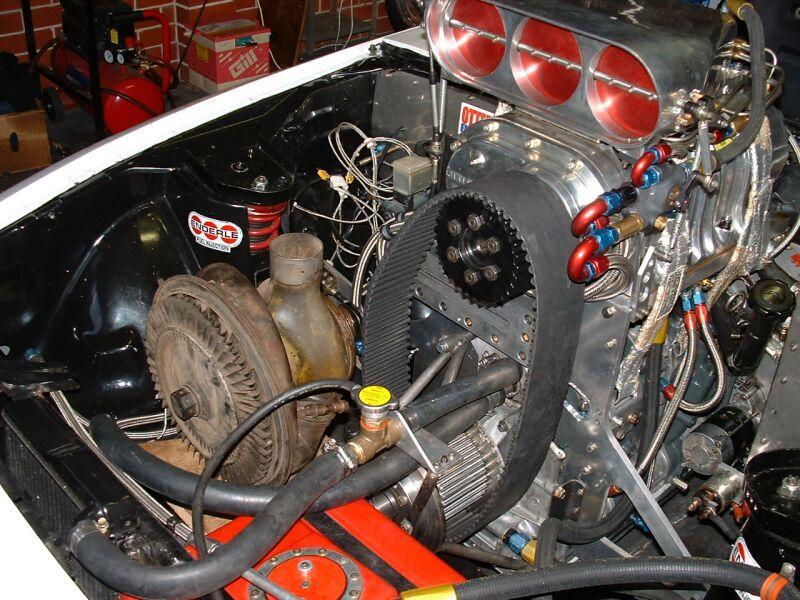
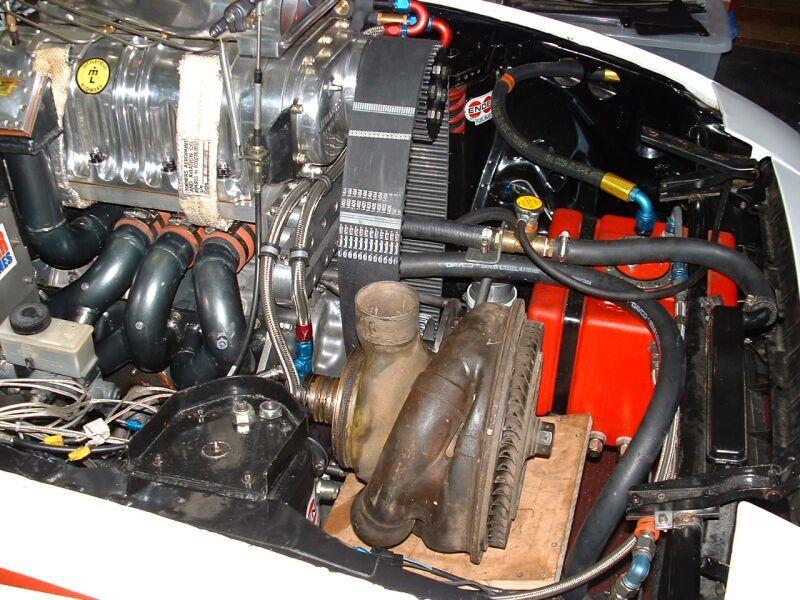
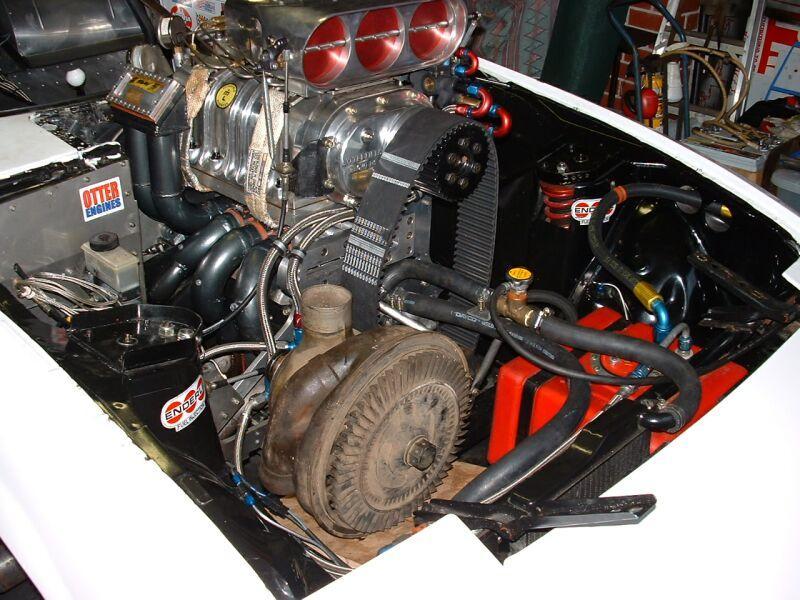
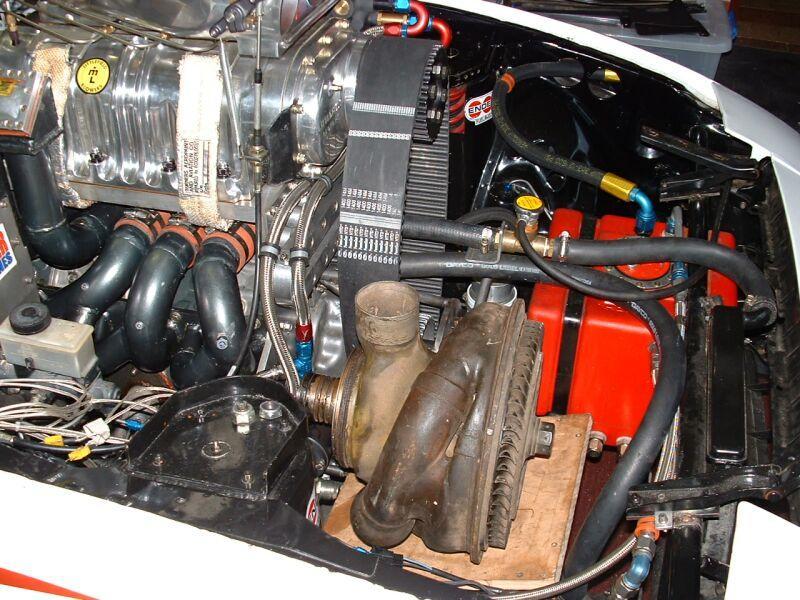
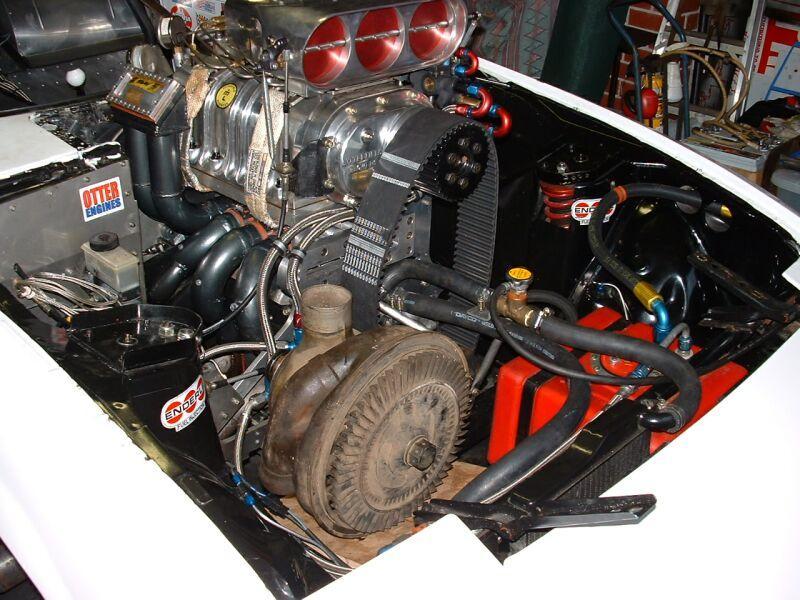
That is funny! ROFL The Hollywood types must have found our my web site :)
"Art" imitating life. There was a guy in Western Australia doing it.
Paul Lamar ...No rotor no motor.
The Rotary Engine NewsLetter. Powered by Linux.
ACRE NL web site.
http://www.rotaryeng.net
Copyright 1998-2006 All world wide rights reserved.