>
> Hi Paul,
>
> Just for info, the front housing is one to two months from first
> test. CNC programming is done and minor pattern corrections were
> made.
> The first handful of potential production housings should be
received
> from the casting shop next week. They must go to the machinist and
> then
> to the flame sprayer. After that, they will be installed into a
> waiting
> all-aluminum peripheral port engine for evaluation and, once they
are
> proven, promotion. We have never promoted the parts in the
> past because we were waiting until we had all three completed. That
> time is now very close. As an aside, I delayed the front housing
> for a
> few years because of the rumors we heard about the Renesis engine -
> potentially making the peripheral exhaust engine obsolete. That is
> now
> clearly not the case, and I plan to build an aluminum side intake -
> peripheral exhaust port engine after the Peripheral intake test
engine
> to determine if we can get better results - power AND bsfc - than the
> Renesis.
>
> To date, we have never had a case of coating lift in service -
> except where other engine failure resulted in extensive damage to
> everything in the neighborhood.
>
> The flame spray powder is a carbide material. In the past, I was
> not being coy about the material. The flame spray shop simply
didn't
> give me any real spec on the material. We went to them for their
> engineering opinion on what would work best, and they used it. In
> fact,
> the material used changed a couple of times when some powders
went out
> of production. At the very beginning, we were very concerned about
> coatings. The first part we tested (an intermediate housing) had
> different materials on the two sides. We have never been able to
tell
> any difference in wear with any different carbide coating - they
> are all
> so good, it just doesn't matter.
>
> Jim Mederer [Racing Beat]
Hi Jim,
Thanks for the update. Would you consider selling a raw casting
or two for an experiment? Some of the guys want to try something
like this. It would be a hardened and ground sheet of 4130
or some such steel alloy. Roughly .090 thick as a first guess.
It will be locked in place by the main bearing housing bolts
at the center and the rotor housings at the periphery. Perhaps
a stud or two in a blind hole in the center housing. Heat sink
grease can be used between the steel and the aluminum to
enhance heat transfer. Perhaps the steel can be porous chrome
plated instead of hardened and ground which works great for
the rotor housings.
Paul Lamar ...No rotor no motor.
Hi Paul,
I suppose we can sell uncoated housings. They are .005" thin/side,
so you would have to remove more of the face to add a steel plate. I
believe you will have trouble keeping the steel flat on the aluminum due
to cyclic heating in combustion areas. I think you will also be
challenged to find a way to bolt down the inner area without subverting
oil sealing. If durability is the goal, I think you are guilding the
lily. If heat transfer reduction is the goal, go for it - but you may
be introducing durability problems from the steel plate (sealing, moving).
Jim Mederer
I think we are willing to find all that out with a couple
of experimental engines running on a dyno or test stand with
a prop load. We can always go up on the sheet thickness
incrementally.
OK here is another idea. We will just copy Mazda.
----------------------------------
OCR
"Investigation of material compositions and heat treatments led to
adopting, as the base metal of the rotor housing, a T6 heat treated
aluminum alloy AC4D (5i 5.0%, Cu 1.2%, Mg 0.5%). The trochoid surface on
which the apex seal slides is given hard chrome plating to provide good
wear resistance. To prevent the chrome plating from fatiguing and peeling
off under the apex seal's vibrating load, study was made on how to
provide a better trochoid surface for chrome plating adhesion. As a
result a new process called SIP (Sheet metal Insert Process) was developed.
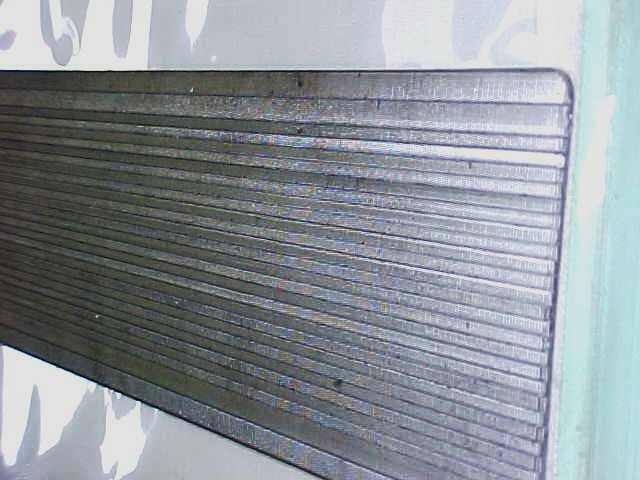
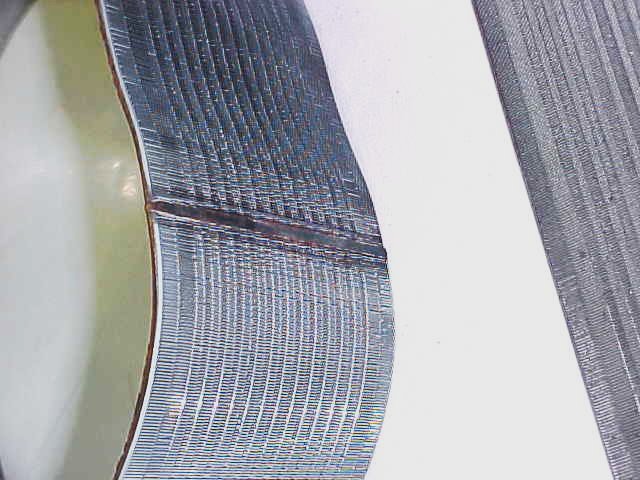
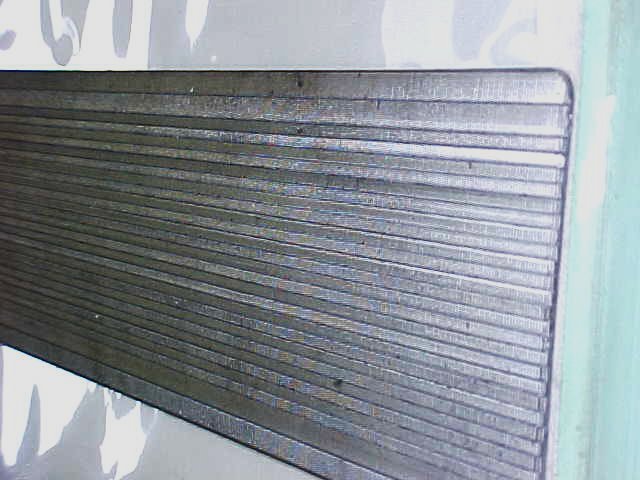
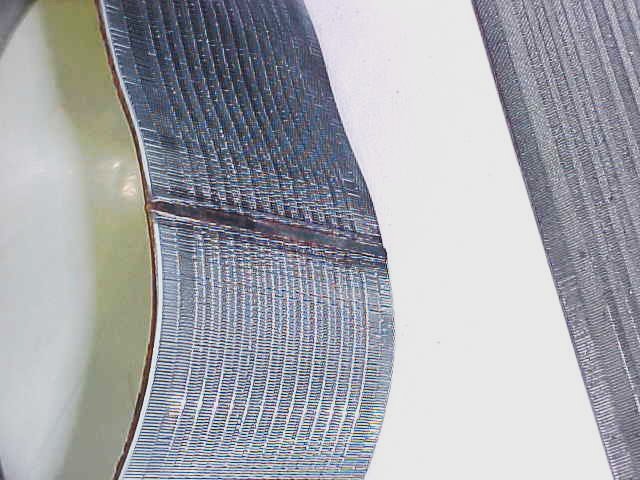
As shown in Fig. 3, the aluminum rotor housing is die-cast under high
pressure to the trochode-shaped sheet metal with one side jagged in the
saw-tooth manner for better bonding with the aluminum alloy. The SIP rotor
housing offers a markedly improved surface insuring proper adhesion of
chrome plating. The effect this development was evaluated using a
contact rolling fatigue tester in which a loaded test piece is rolled
as shown in Fig. 4. Fig.5 indicates that SIP offers ample adhesion
to the chrome plating."
----------------------------------------------
The foundry that did my intake manifolds is in regular
production of cast in steel inserts in aluminum sand
castings. Years of experience.
American International Engineering & Manufacturing
860 Arroyo St.
San Fernando, CA 91340
Phone: 818-365-8000
Fax: 818-365-8819
http://www.aiem.com/-
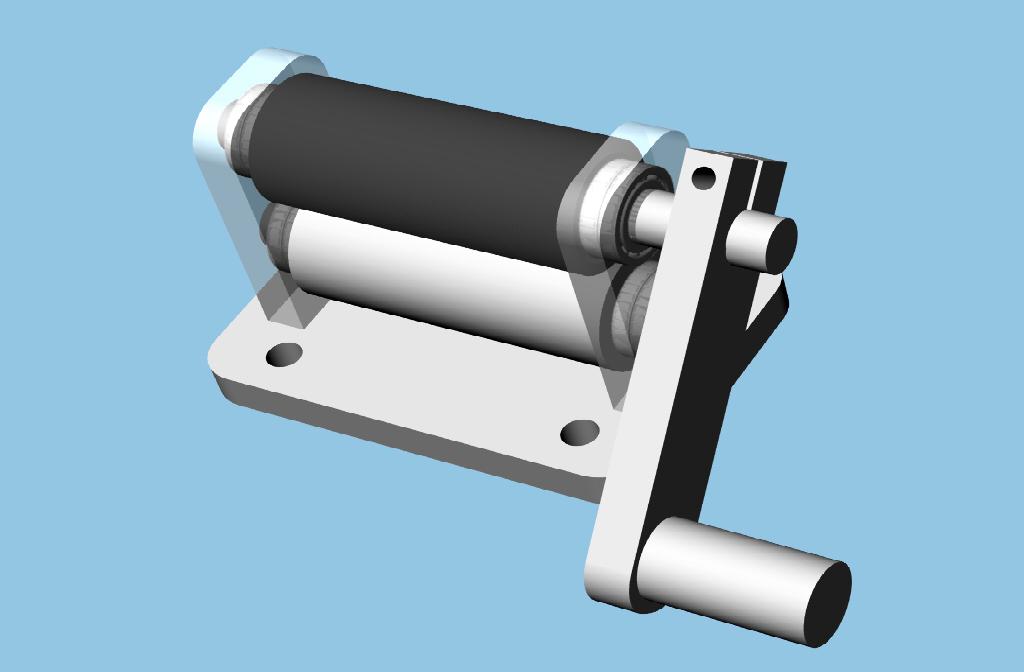
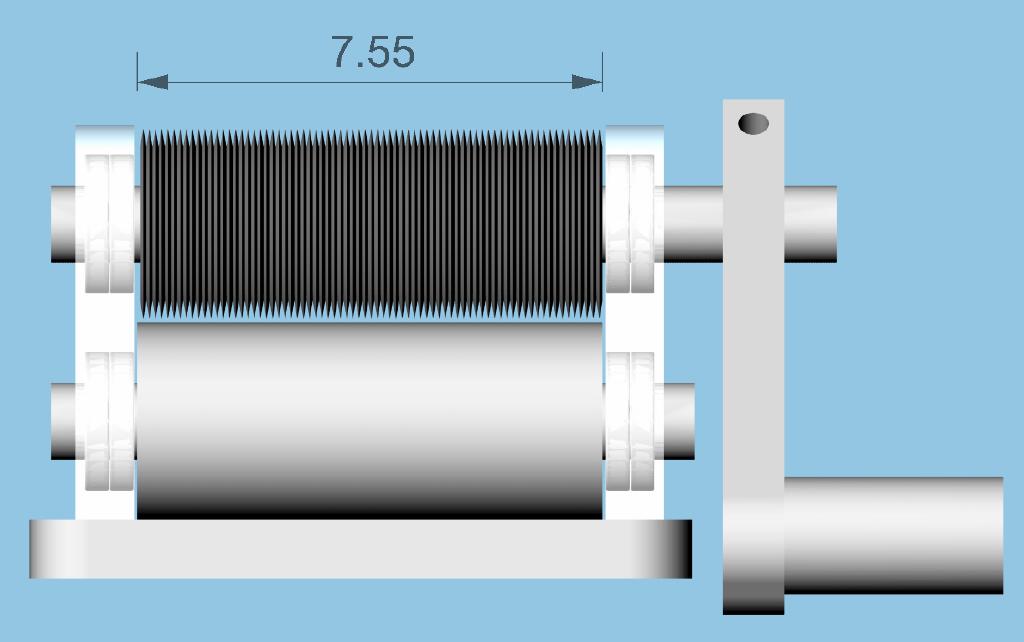
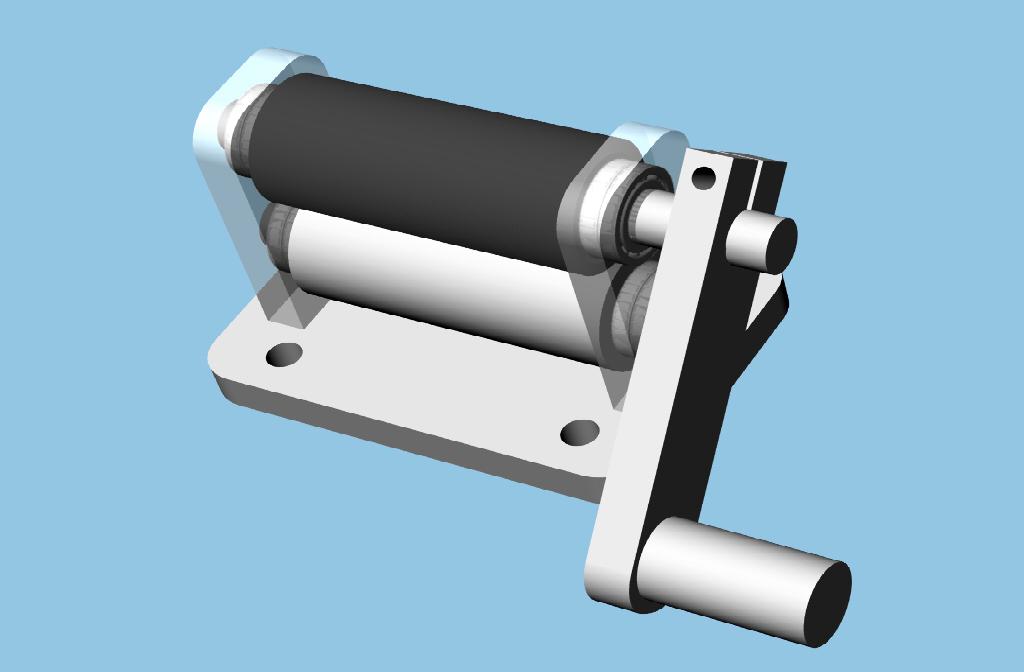
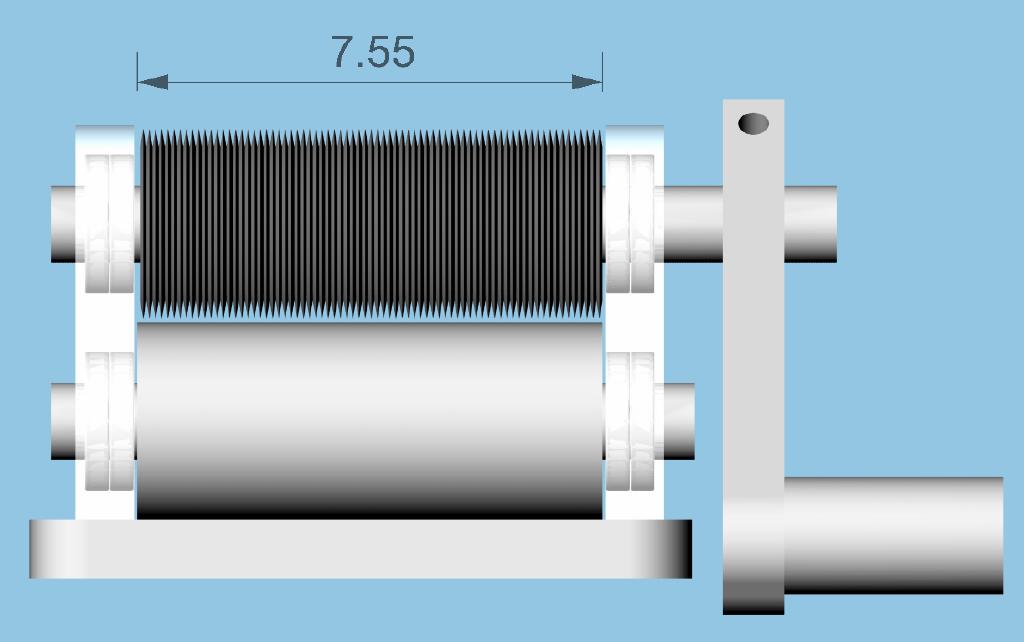
First thing we need do is make a SIP roller.
Two three inch rolls. One machined from 4140 bar on
an NC lathe with a bunch of wedges. Heat treat to Rc60.
The rest is cold rolled steel rod or plate flame or laser cut.
7.5 inches is about wide enough for mild steel sheet
for end housings. Ground flat after casting. Then of course
it will have to masked off and be porous chrome plated
like Mazda rotor housings.
BTW Francois, this will work for your certified rotor housings
as well.
I am just very very skeptical of flame spraying.
Detonation coating as I understand it is a very expensive
and time consuming process as each tiny piece of carbide
must be shot at the surface and then the surface diamond ground.
Paul
Why not just spline the aluminum and the edge of the
steel insert or broach it. That's easy to do.
Tony
I don't follow you Tony. How is that going to keep
the steel and the aluminum in close contact?
--
Paul Lamar ...No rotor no motor.
The Rotary Engine NewsLetter. Powered by Linux.
ACRE NL web site.
http://www.rotaryeng.net
Copyright 1998-2006 All world wide rights reserved.