Paul,
My Renesis has been moved forward 8" on my RV10. As a result I have
15"
between the pulleys and the firewall. Studying high pressure areas on
aircraft there seems to be almost as much high pressure at the base of
the windscreen as on the nose of the plane. I was wondering if this
area could be used to feed a radiator. Any experience with this
method in race cars?
Bobby
I am going to be brutally frank. DO NOT ATTEMPT TO FLY WITH THAT MOTOR
MOUNT. If you bought it... DEMAND your money back!
Motor mounts are subjected to 6 G's vertical load.
Since the engine PSRU prop and all accessories add up to close to 300
pounds and the Cg of the combination is near the rear (in the car) end
housing there is a 1800 pound down load on the end of this mount. I
guarantee it will bend or worse case break. If you wish to verify this
you can try to pick up the front of a 3000 pound car using this motor
mount static test diagram. The top and bottom diagonal tubes MUST
intersect this CG point in the vertical plain.
snips.....
Paul Lamar ...No rotor no motor.
Paul
You have me concerned. I ordered a CSI mount for a Cozy and a
Renesis.
http://www.conversionconcepts.com/cozymk-iv.htm It has been on order
for nearly one year and I was told it is being shipped next week. I
am anxious to see it. What is your opinion on the construction of
this mount?
Rick Irwin
If it is NOT extended way aft and the lower tubes have a substantial
angle down and back to the firewall they are barely adequate. I don't
think the mount above was made by Conversion Concepts but I could be
wrong. At least it does not look like a CCI motor plate.
Here is a chart that illustrates the problem.
What you have in effect with a CCI mount is a virtual firewall where
the top tube becomes horizontal. Start calculating the loads from
there.
For more info read the motor mount section on our web site.
http://www.rotaryeng.net/motor.html
----------------------------------------------------------------------
--
Bobby,
Send some more pictures of this mount. Preferably a straight-on view
from the side. Also a detail shot of the vibration pads. Paul is
correct, this mount is not adequate, yet. It may be OK with the
addition of a tube on each side from the upper firewall mount to the
front engine mount pad. I can't see enough from your picture to make a
judgment about the lateral strength.
With this mount you would also need to do a study of the loads during a
hard landing where there would be landing gear loading and g-loading
from the engine.
Aubrey
I do not have a digital camera with me today but the mounts is a CCI and
the workmanship is excellent. Lateral stability is not an issue with
this design. The am also not worried about the rest of the design. Yes a
very hard landing or pancake might produce 6 g's on the engine mount but
the aircraft is only designed for 4 g's. In flight I do not see the
difference between the airframe and engine ever being 4 g's.
Bobby
Well 4 G's is still 1200 pounds. I am willing to bet it will bend at
1200 pounds. Also you have the prop torque adding a twisting force to
the mount.
Engine Torque = 200 HP X 5250 / 7000 RPM = 150 foot pounds.
Prop torque = 150 ft# engine torque X 2.85:1 PSRU ratio or
427 foot pounds.
BTW the one of the two Nemesis Nxt flying crashed on the way back from
Sun n Fun. The consensus is a severe gust load damaged the prop GOV or
the prop itself causing a massive oil leak and a rapid fall in oil
pressure and a rapid increase in oil temperature requiring a forced
landing.
The point is you can have a 4 G gust load.
Don't fool yourself Bobby. Better safe than sorry.
Paul Lamar
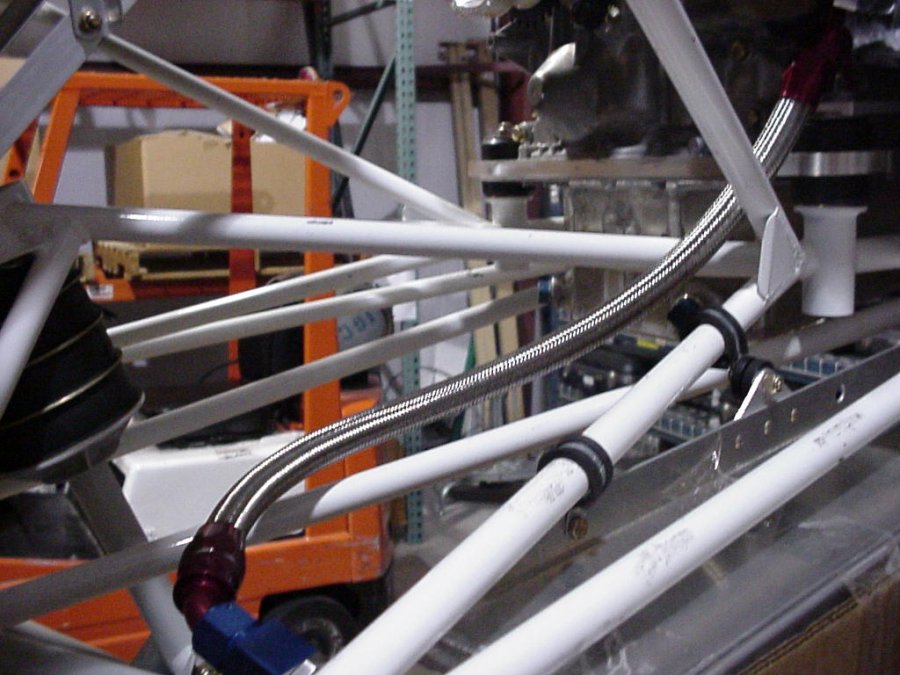
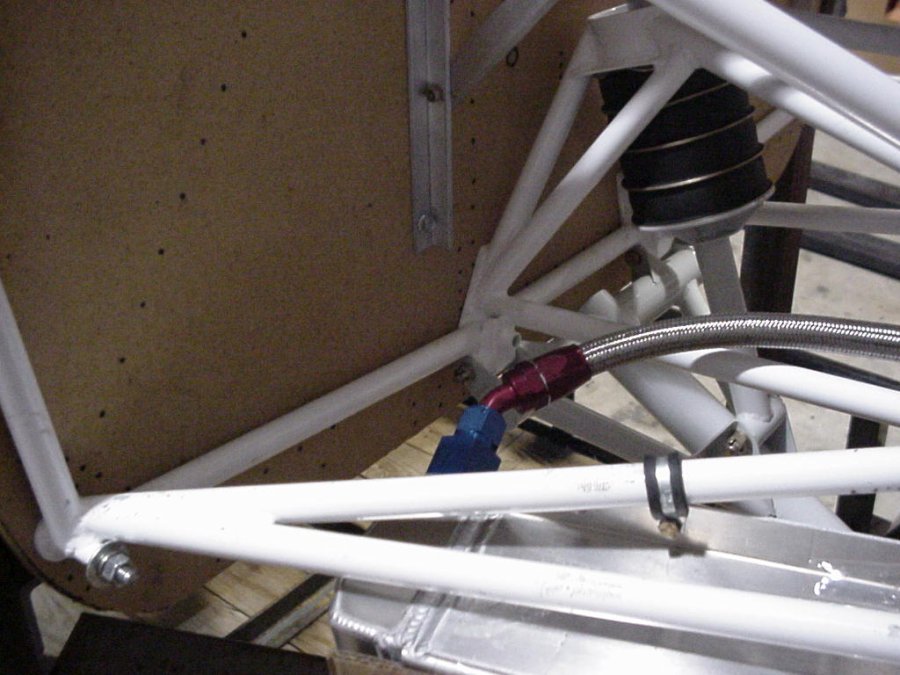
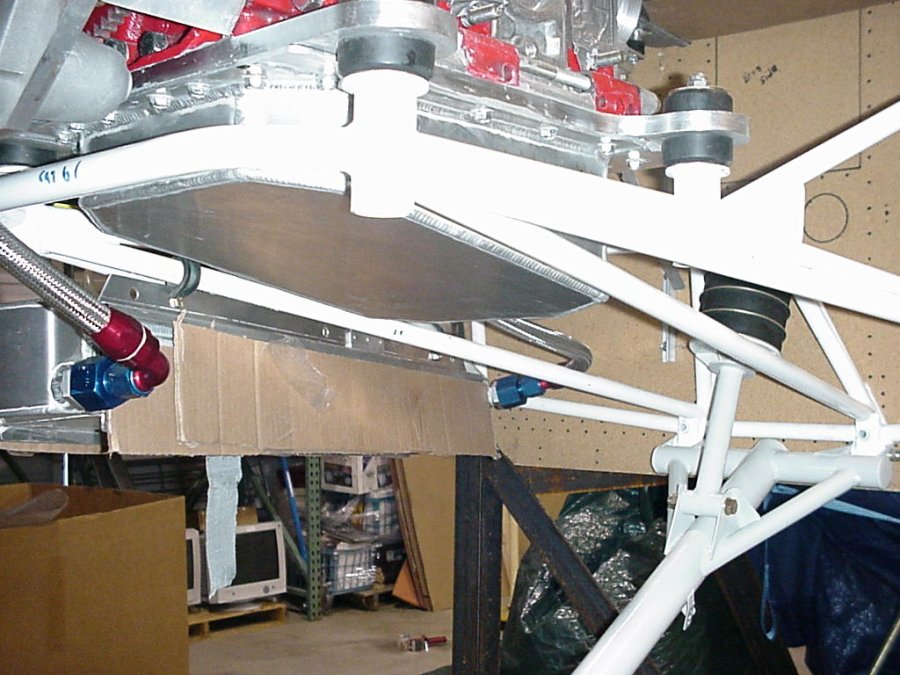
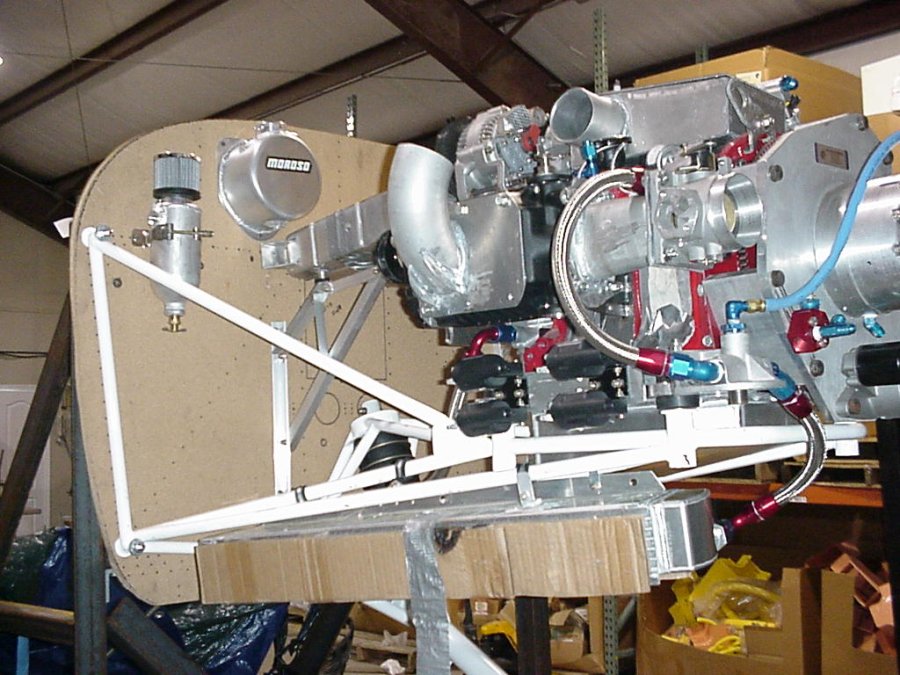
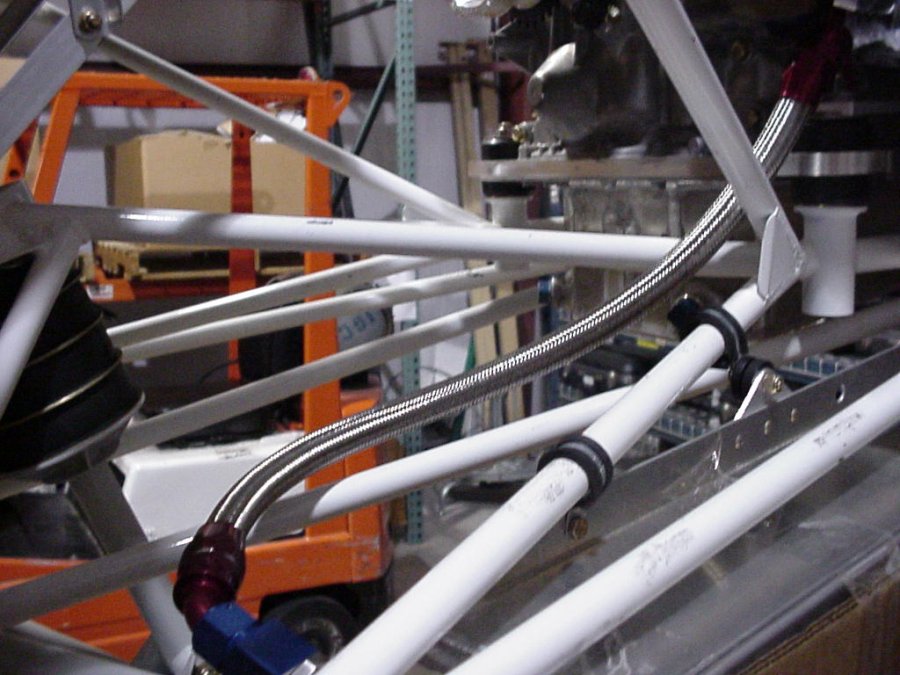
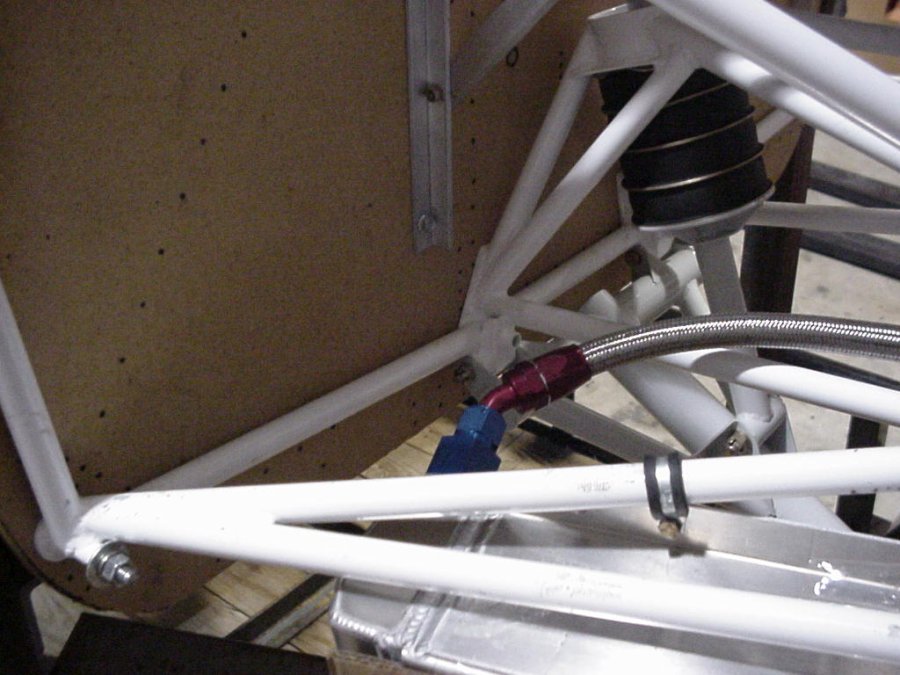
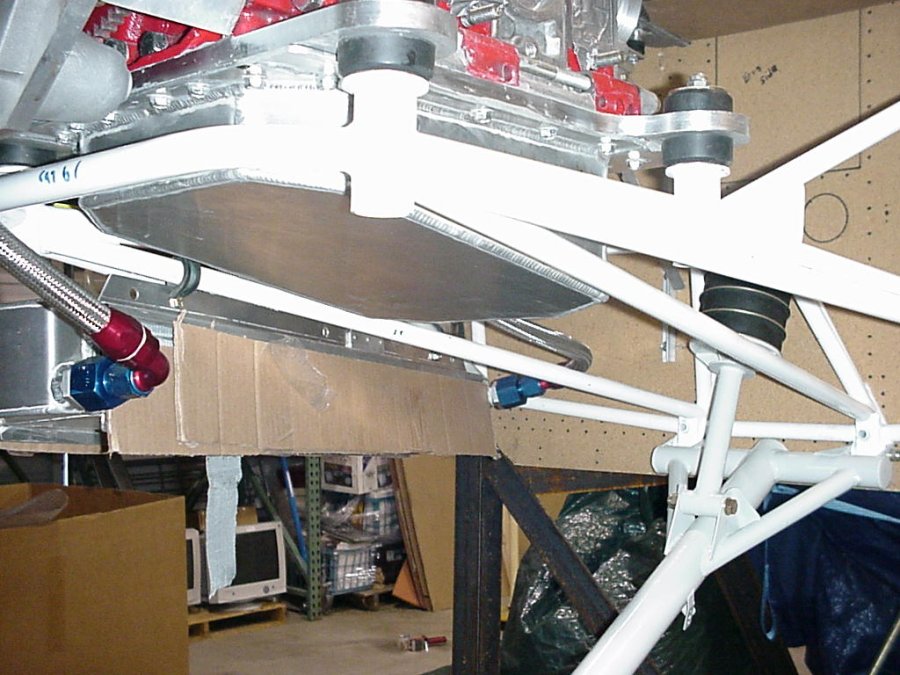
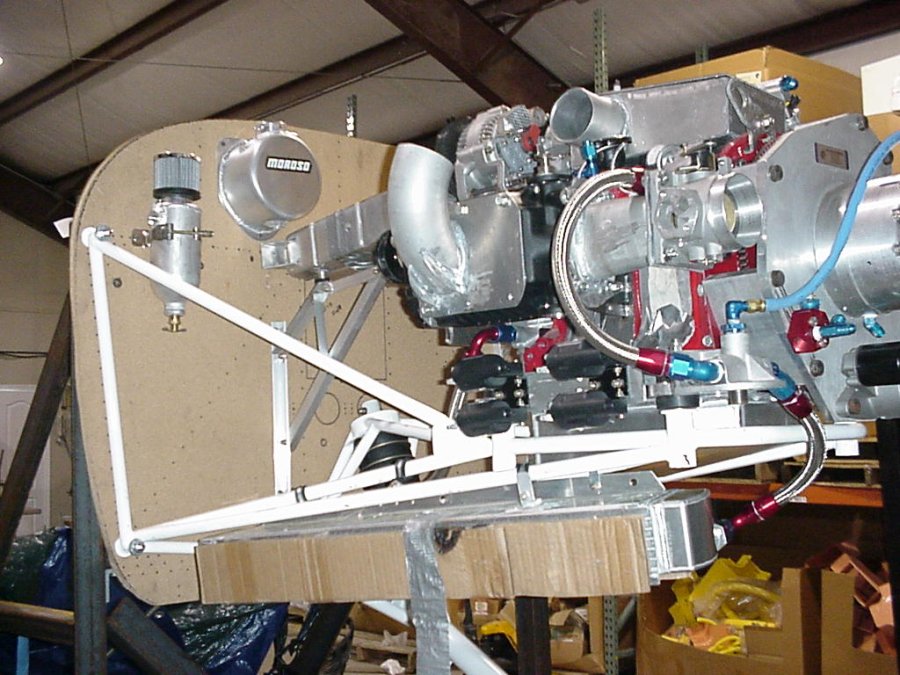
More Pics
Bobby
The Rotary Engine NewsLetter. Powered by Linux.
ACRE NL web site.
http://www.rotaryeng.net
Copyright 1998-2006 All world wide rights reserved.