I was reading the response from Powersport and noticed a comment about
future plans to incorporate a single adjustable flap at the back of the
cowl exit plenum. I have pondered this for my setup as it seems quicker
to build and cleaner and less complex than the multiple cowl flap and
associated linkage . I had previously decided to stick with the multiple
adjustable cowl flaps based on some discovery from your dodge caravan
mounted rad/ plenum/manomometer testing that stated any obstructions
within 10" of exit area would reduce cooling efficiency.
I would rather use the cowl as the exit plenum but not sure of a size
and shape that might work with reasonable results if at all.
My current rad/oil cooler is aprox. 18 by 18 by 2 with a 30 % inlet
based on my 130 mph cruise
I was also thinking of putting a small adjustable butterfly valve in
the inlet wedge at the beginning of the oil cooler to divert some air to
oil cooler as I suspect most airflow may bypass . Any comments welcome.
Geir Murphy Elite
Two things. Not using the cowl as an exit plenum means
not subjecting the whole rad to under cowl heat which
can be much higher than out side air. One degree increase
in the temp of the air around the rad will reduce the cooling
eff. by 1%. Also if the rad "sees" the exhaust pipes it will
gain heat by radiation.
Keep the air going into the rad and the rad itself as
cool as possible.
Also something like the bottom of the oil pan being too
close to the rad will reduce the air flow.
If you turn your rad 90 degrees it will be easier
to plumb.
Paul Lamar ...No rotor no motor.
---------------------
Paul,
My plan was to use the rad frame to support the lower portion of the
cowl whether I install cowl flaps or build an integral cowl exit plenum.
Either way I plan to seal engine ambient air from rad exit air. I hadnt
really weighed the huge benefit of the temp differential at the back
side of rad with direct exposure to outside ambient air , as in using
short cowl flaps instead of an enclosed plenum with a single flap at the
end. The cowl flaps would clearly increase temp diff. sooner and provide
better heat transfer. Hmmm , decisions decisions
BTW I did rotate the rad after the light bulb went on . However do to
oil cooler mounting in front of rad I rotated rad 180 to keep the end
tank from disrupting air flow to rad. I may end up going back to side by
side rad/oil to get more even air flow over both rad and oil as opposed
to installing a butterfly valve to divert air to oil cooler. No issue
with the rad end tank sticking up into the incoming air stream that way.
Hmmm, decisions decisions
Geir
Are those aluminum extrusion Geir? They look real handy.
You do nice work. I would not worry too much about the end
tanks disrupting the air flow if you are using the
wedge. The air should be going fairly slowly by that
point and the pressure should be up compared to
static.
Paul Lamar
---------------------------
Paul,
The rad frame is 1/8" rectangular box tube with one side cut out using a
table saw. I recently purchased a miller syncrowave tig welder and dont
know how I survived without it sooner. Lots of trips to the local welder
for every little task along the way.
So assuming I sealed the exit plenum from hot cowl air how much
efficiency do you suppose is lost using the exit plenum with a single
flap as opposed to multiple flaps that exit right into cool slipstream
air. I'm guessing the sealed exit plenum if designed properly should
have some degree of minor vacuum from slip stream air passing by at hi
velocity.
Not sure if my thinking is realistic or other factors come into play I'm
not considering.
Geir
Well the Germans did some data taking on different
configurations. It all depends on how far away the lower
cowl surface is from the rad core. The reason this the case
is because the air flowing through the core has some
velocity. Consequently the impact of the air on a
surface too close to the rad core will build a dynamic
pressure on the surface which in turn will reduce
the air flow through the core. As a rule of thumb, for
most of the rad cores we use, the lower cowl surface should
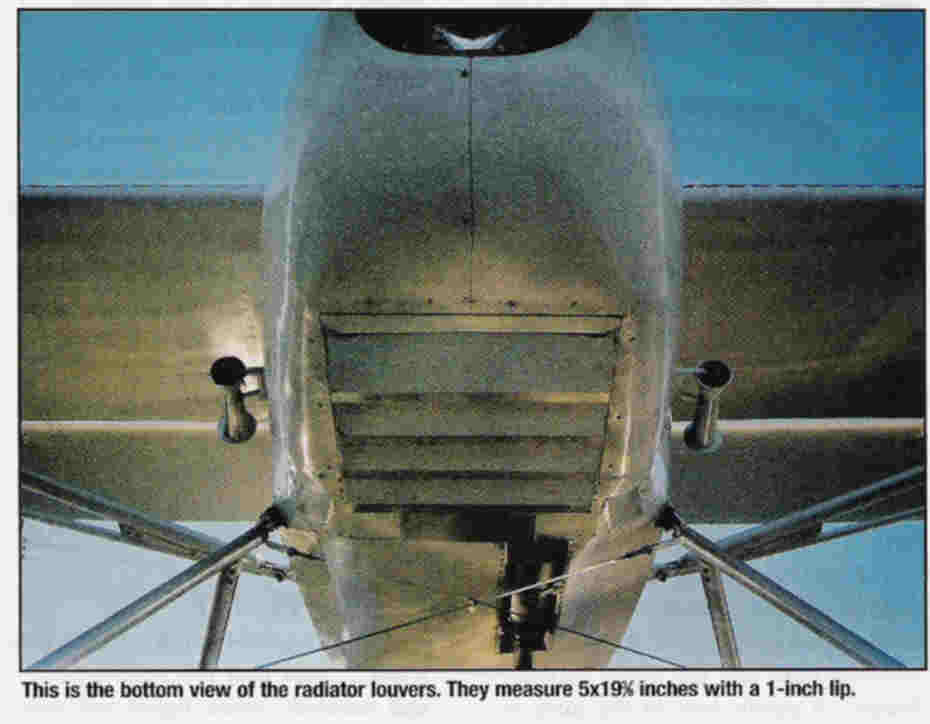
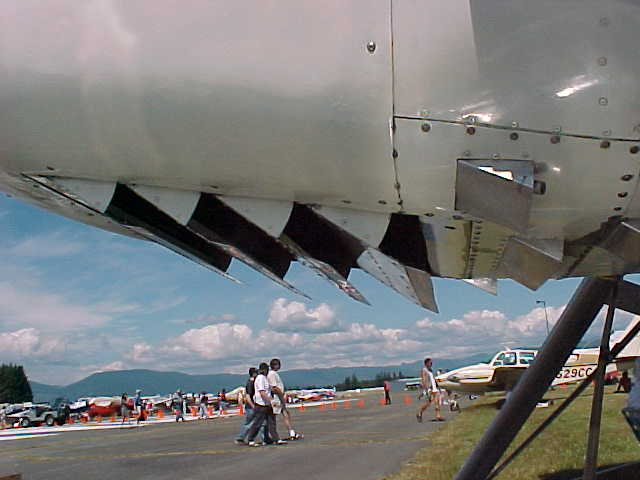
be about ten inches away. In general that is not possible
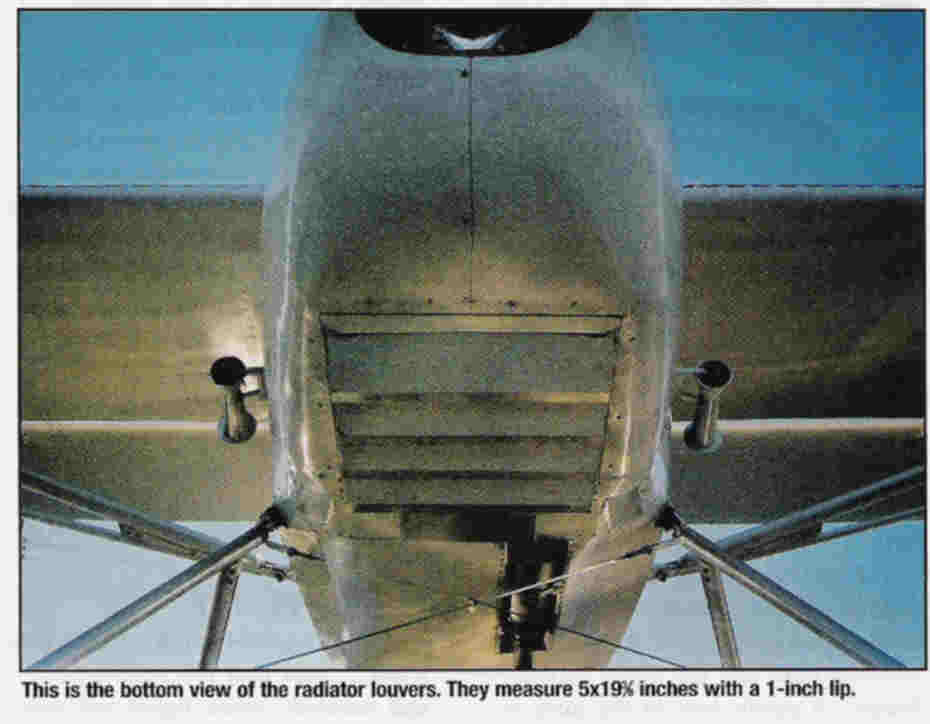
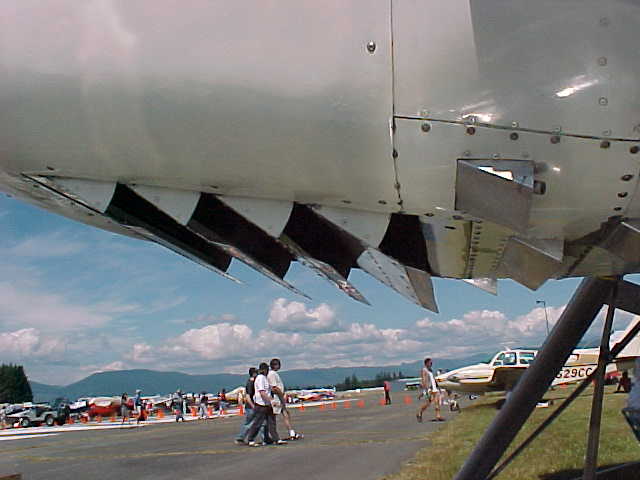
so that is why I recommend the louver system.
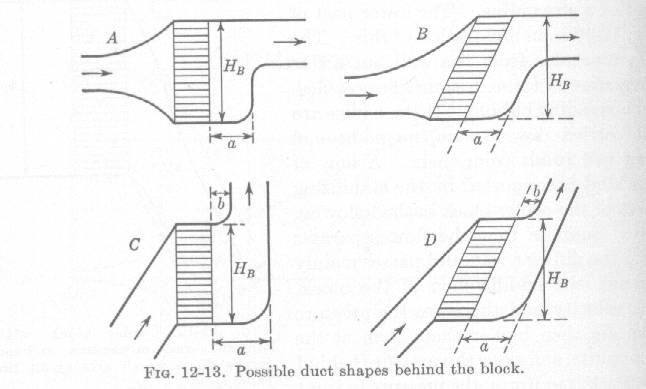
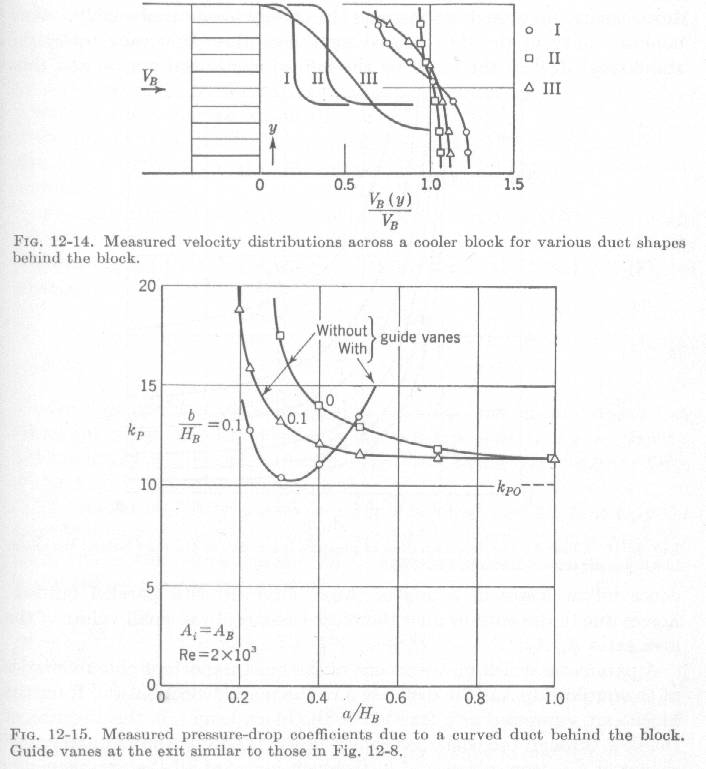
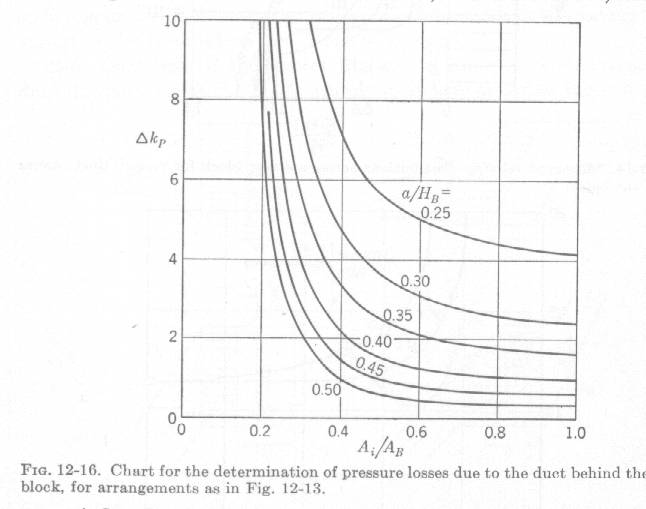
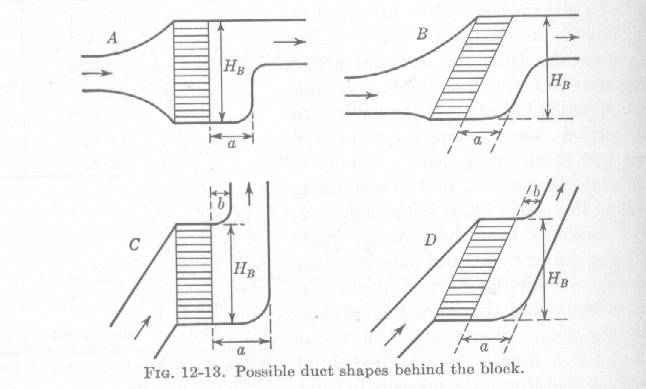
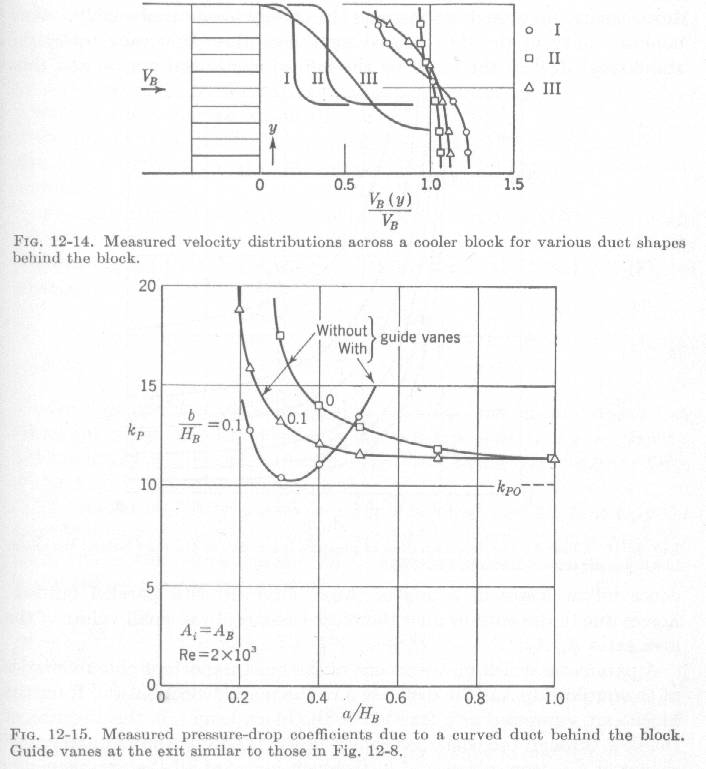
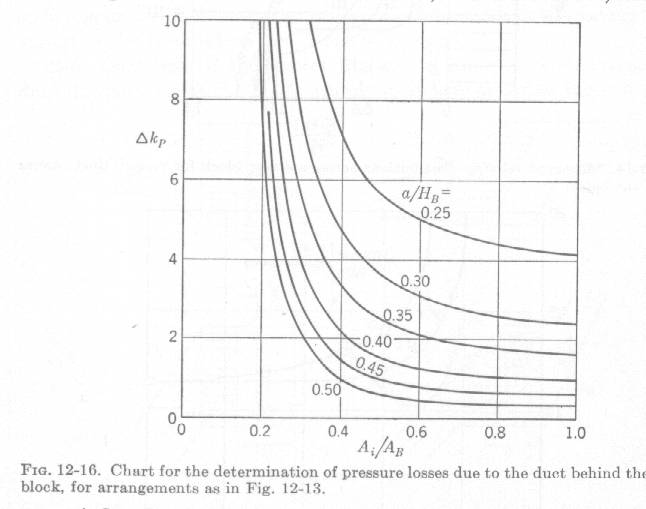
Here are a bunch of charts and curves on the subject.
Kuchemann and Weber refer to the rad core as "the block".
Your situation is similar to "C" in Fig 12-13
You can estimate the loss by referring to Fig 12-16
One cowl flap is better than none however.
Also read
http://www.rotaryeng.net/how-to-cool12.html
if you have not already done so.
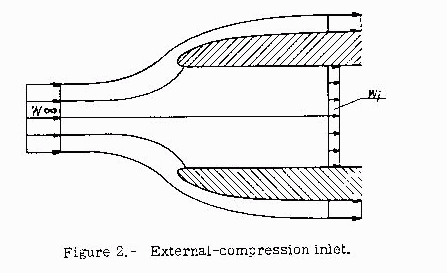
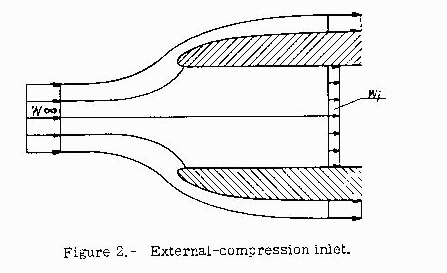
BTW the inlet area is sized for max climb and not cruise.
If you close the cowl flap at cruise the air pressure
in the inlet scoop will increase encouraging the air
to flow around the opening. Sort of a self streamlining
effect called external diffusion.
Paul Lamar ...No rotor no motor.
The Rotary Engine NewsLetter. Powered by Linux.
ACRE NL web site.
http://www.rotaryeng.net
Copyright 1998-2006 All world wide rights reserved.