Hey Paul,
I'd like to propose a non-rotary question to all you smart people..
Most factory horizontally opposed powered factory airplanes use
downdraft cooling, and I wonder why. I notice that there are a few
updraft installs - like on some twins, especially.
Factors involved that I can think of:
1. Single engine, tractor config fuselage shape. High pressure area
ahead of the windshield makes it more of a challenge to exhaust updraft
air. Also, if you get a big oil leak, updraft cooling seems more likely
to dump oil on the windshield.
2. Exhaust stacks are very hot. Updraft cooling causes cooling air to
be heated by the stacks before it passes through the cooling fins on the
cylinders. Less available cooling capacity for the cylinders.
3. Easier packaging. The baffles/plenum on downdraft setup may be
simpler to design on most HO engines.
The question I have really relates to factor 2.. It has been shown that
some HO engines run hotter if the exhaust stacks are covered by tight
fitting heat shields or pipe wrapping tape. It turns out that
insulating the stack causes the pipe to run hotter which apparently
conducts more heat back into the cylinder. Not so good. Updraft
cooling provides the chance to cool the exhaust stack further because
the coldest air passes over the stack first. Is that good?
Or is it likely that the engine/airframe designers have developed a
system that works. Bare pipes in a downdraft installation which
provides cold air direct to the cylinder, and enough cool enough air
coming from the cylinder to adequately remove enough heat from the
stack. Maybe the 150F rise from the cylinder doesn't have much effect
on how efficiently heat is removed from the stack, which contains 1500F
gas on the hot side..
On the updraft side: Klaus's Varieze uses updraft cooling, as do the
stock Varieze plans. He uses a single flush inlet, which is not
according to the plans. As far back on the airframe as the inlet is, I
would have guessed that he loses pressure recovery because of boundary
layer thickening. That the inlet is on the bottom of the airplane
probably helps the situation.
Other canard airplane builders/modifiers have gone to downdraft cooling,
and claimed benefits in cooling efficiency. I could rationally believe
that.. For one thing, LongEZs and Variezes have the engine mounted so
that the cylinders are about halfway above the top of the wing/strake.
The cowling humps that cover the cylinders would seem to be ideal
locations for cooling air inlets. They stick up high enough that the
boundary layer is probably pretty thin, the local pressure should be
relatively high.
So, I guess I have two questions. One is about thermodynamics, and the
other is about aerodynamics... Any thoughts people might provide would
be appreciated.
Regards,
Matt-
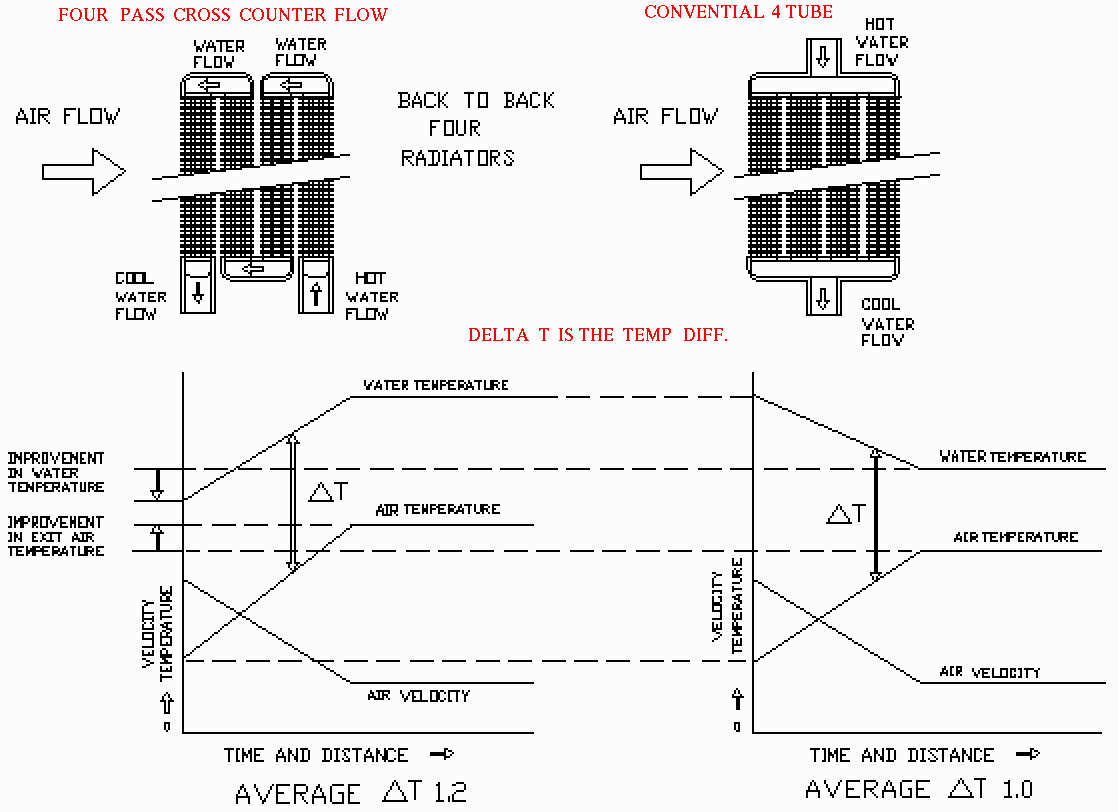
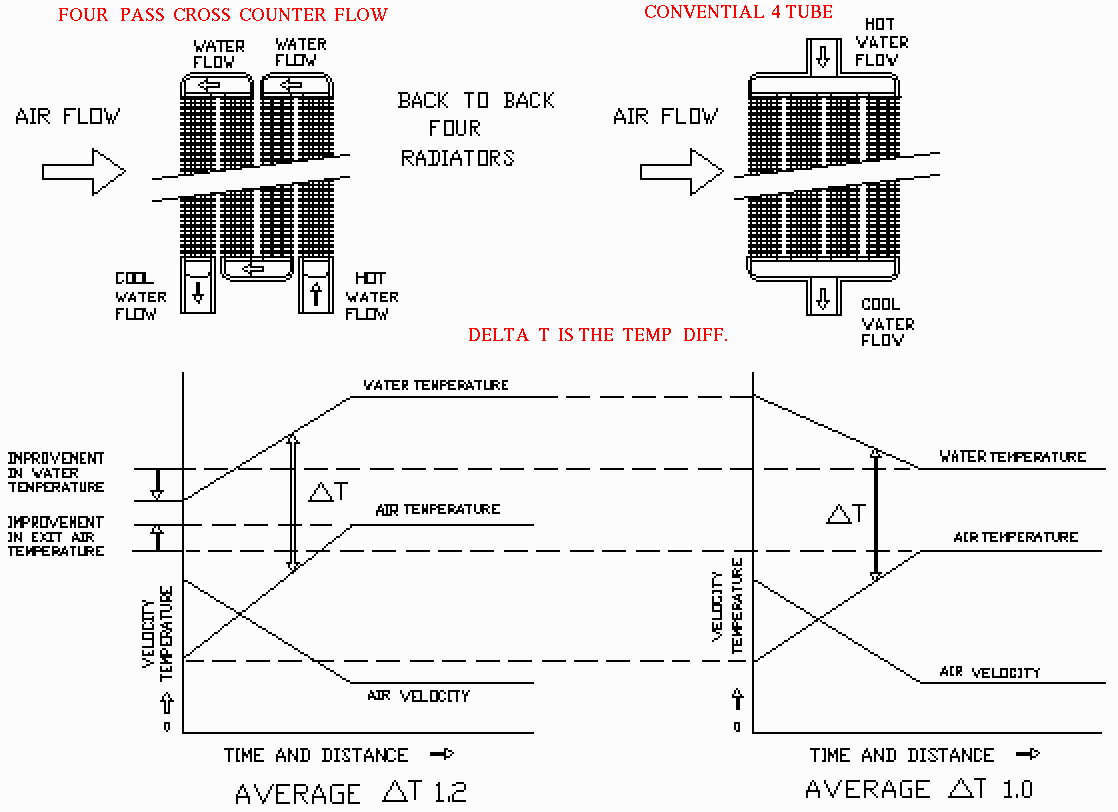
There is another factor discovered by Franklin in the early 30's
Rate of heat transfer is proportional to delta T.
It is best to pass the cool air over the coolest part
of the engine before passing it over the hottest parts.
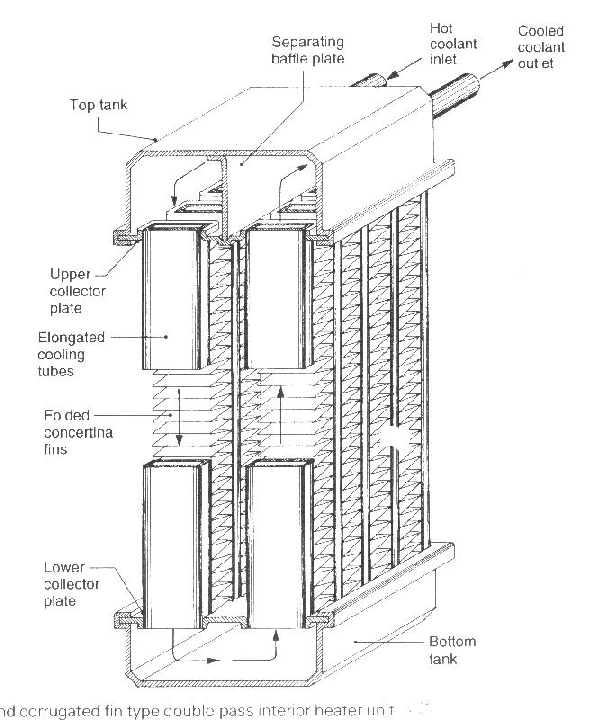
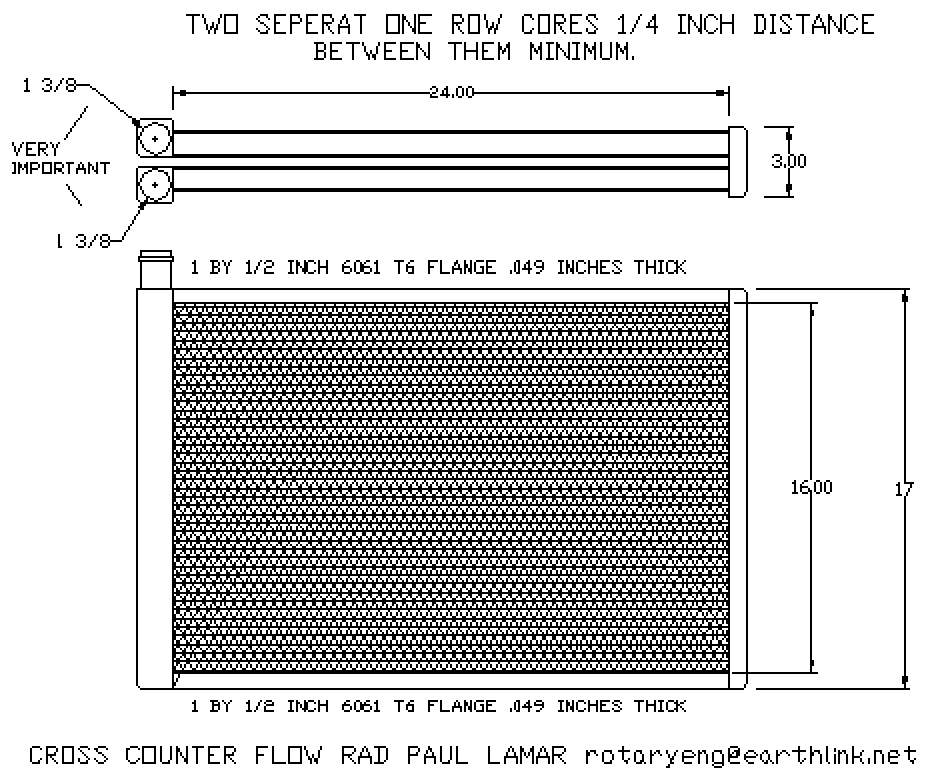
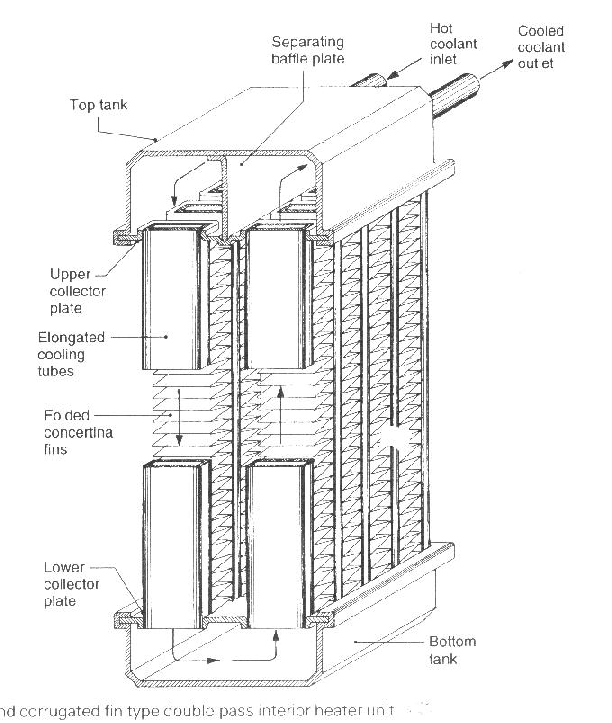
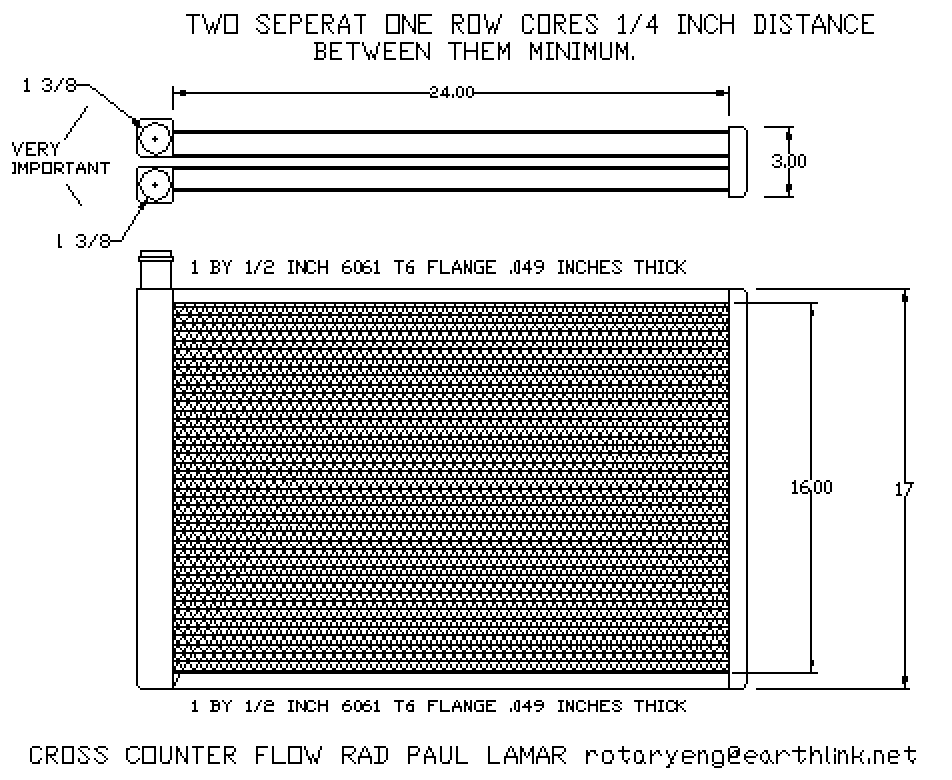
Average delta T is higher. It is called cross counter flow.
See Kays and London for more info.
Also on the web site.
http://www.rotaryeng.net/cooling.html
Paul Lamar ...No rotor no motor.
The Rotary Engine NewsLetter. Powered by Linux.
ACRE NL web site.
http://www.rotaryeng.net
Copyright 1998-2006 All world wide rights reserved.