Paul,
I have been reviewing my p-porting notes. Could you tell me where the
throttle is on these pictures of Allen Toole's engine is. I am guessing it
must be in the intake chamber surrounding the air filter but it is not
shown.
Thanks
DougFir
There are two butterflies almost in the rotor housings.
The pressure drop across these and the smaller size
of the runners, about 1.75" OD instead of two inches OD,
limits the HP to about 215 at 6500 RPM instead of 240
to 250 at 6500 RPM we got using 2 inch OD runners and
a Weber carb. You will get more with the slide throttle.
http://www.rotaryeng.net/Weber58-24.5inch-runners-dyno-curve2.jpg
http://www.rotaryeng.net/Weber58-28inch-runner-dyno-curve.jpg
Paul Lamar ...No rotor no motor.
Paul
Thanks for the info. Something Fred said last year got me thinking that if
the slide throttle hole in the throttle plate was designed correctly (sort
of like a 'comma' mark on its side, only the top corner of the hole could
be exposed during idle. This might possibly eliminate port overlap during
low rpms.
Here is what Svens at NRS told me about his apex seals.
"Hi Doug,
My website does not say what the material is but believe me it is Silicon
Nitride.
The results achieved with my product speak for themselves, I see no need to
disclose proprietary data on my seals that will only benefit my competition
and leave me at a disadvantage. If and when I see the specs for Iannetti
seals I might consider offering this info more freely. We have several cars
in Australia running the seals in circuit racing with unprecedented
reliability and performance. One of my AU clients recorded the highest
cranking compression ever with the 2 pc 3mm grey's (over 25 years in
business) and all he ever buys now is 1 pc seals because he claims they
perform well enough to keep him in front of the pack. The 3mm 1 pc seals in
the crispeed built "V8 killa" car pulled slightly more vacuum than stock 2
pc 3mm steel seals after about 2 hours at idle. More importantly to this
builder was the fact that the seals were able to take stresses that would
have normally began to warp the factory 2 pc 3mm seals or flatten the apex
springs. In fact they were not even being affected after back to back runs
at 685 RWHP. The vacuum is perfect run after run and even after a full pull
it settles back to perfect idle and vacuum. Stock seals after continuous
running and heat soak would have started to compromise sealing until the
engine cools down.
Thanks
Sven Nielsen"
Cheers
DougFir
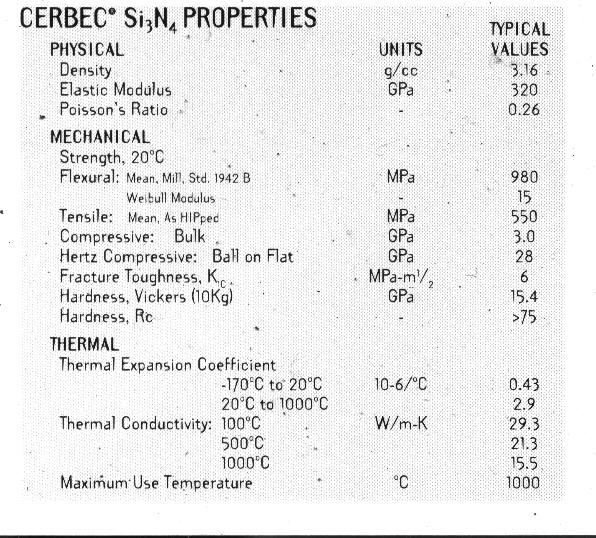
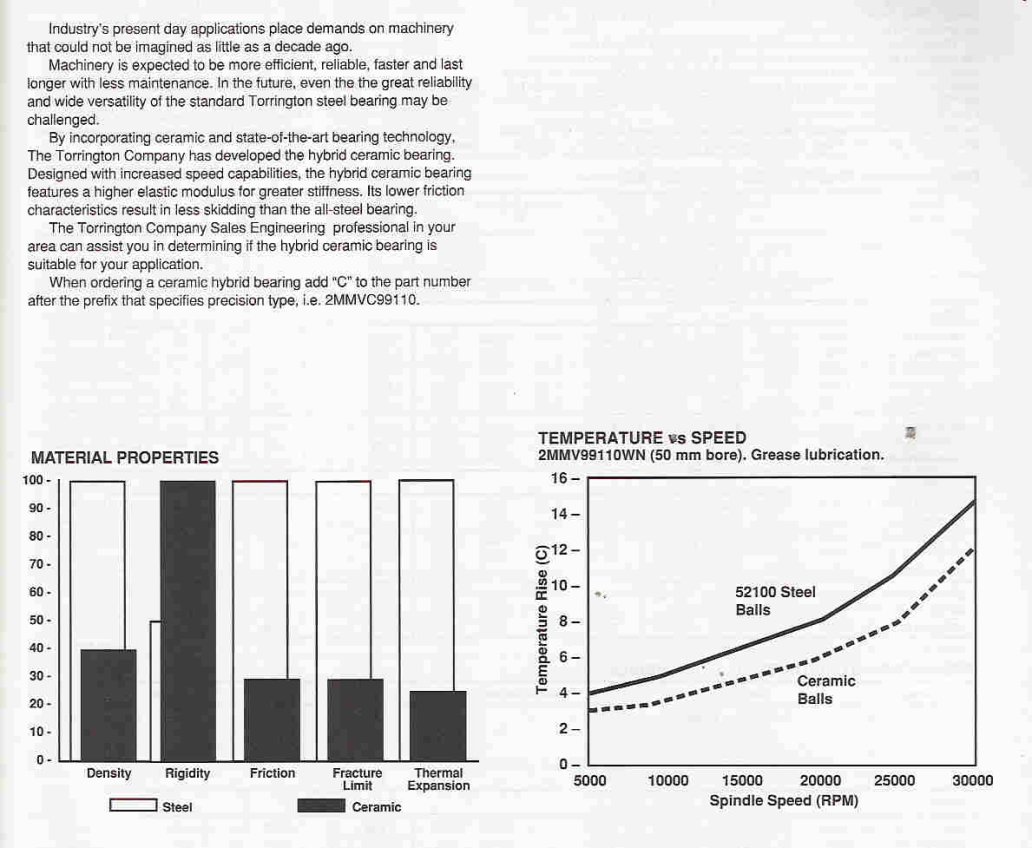
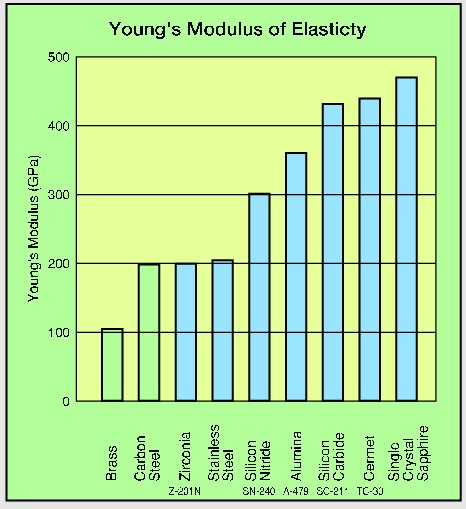
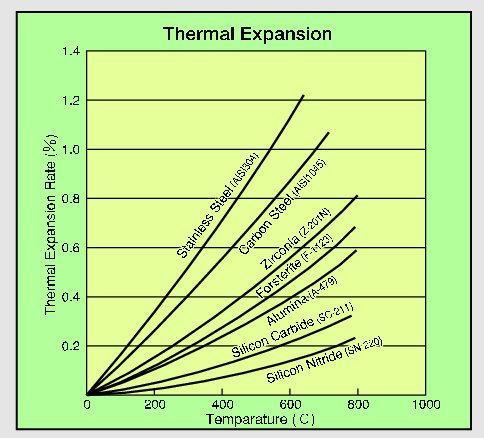
There is no doubt that SiNi ceramic seals will distort less
at 500 to 750 F or so than iron seals. This is due to
the lower thermal expansion coefficient.
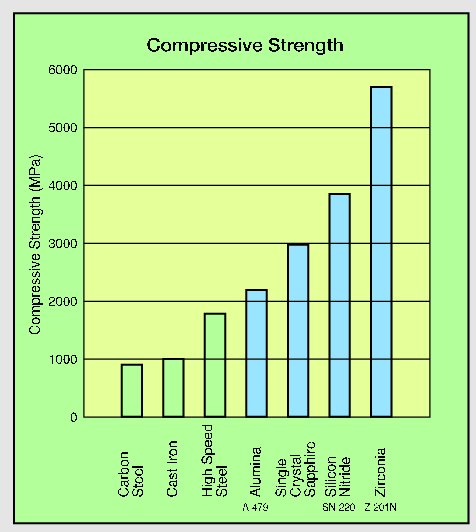
I would still like to see a simple impact comparison test between
SiNi seals and stock Mazda cast iron seals. Just clamp them
in a vice and drop a large ball bearing on them from a known
fixed height.
I would also like to know what the surface finish is compared
to the latest Mazda stock apex seals. Surface finish is very
important.
--
Paul Lamar ...No rotor no motor.
The Rotary Engine NewsLetter. Powered by Linux.
ACRE NL web site.
http://www.rotaryeng.net
Copyright 1998-2006 All world wide rights reserved.