O.k so just so we are clear I'm not disputing the validity of your
work. I love it, it's great! but I feel like there are times when
i'm drowning in a pool of what IF's could B'S and there is no clear
cut path to success. Let me ask you this right now ,and what ever
your answer is going to be is the direction I'm going to take and
i'm not going to look back. Do I P-port this motor or not YES or
NO what about idling? is it going to be an issue?
how much power
can I see out of a p-port N/A with turbo housings?
I'll send it out, have it balanced, with new apex seals, and I'll
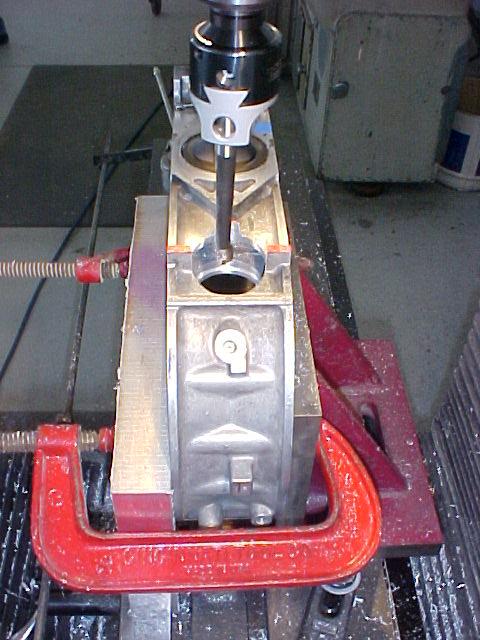
cut the ports myself on the milling machine do you have dimensions
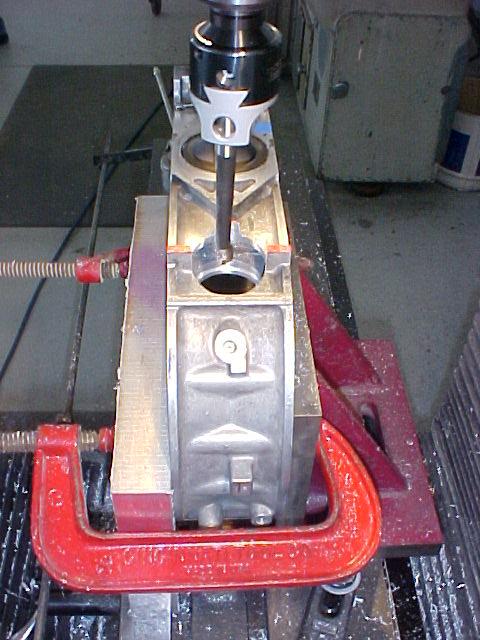
for that? also how did you indicate the housing to the milling head
or did you? Is it a straight bore hole? Did you ream it out to the
final DIM? is there a spot on the housing that is true that I can
indicate the dimensions from. I'm willing to do the work , I just
want someone to hold my hand while I'm boring holes in my very
expensive rotor housings. Do you know if they can be waterjet
cut? BTW that web site has 2in ID tubing with .025 wall. Don't
know if that matters or not. I like what guru motorsports has done.
I would like to follow there look in p-porting.
Tony
YES.
A geared AC engine does not need to idle at 750 RPM.
The prop is turning 750 RPM when the engine is turning 2137 RPM
with a 2.85:1 gear box. Just about any p-port will idle at 2000 RPM.
A slide throttle P-port will easily idle below 1000 RPM with a few
misses now and then. That is because the volume of exhaust gases
trapped in the intake runners is minimized with the slide throttle
mounted close to the rotor housings.
You will see at least 230 HP at 6500 RPM.
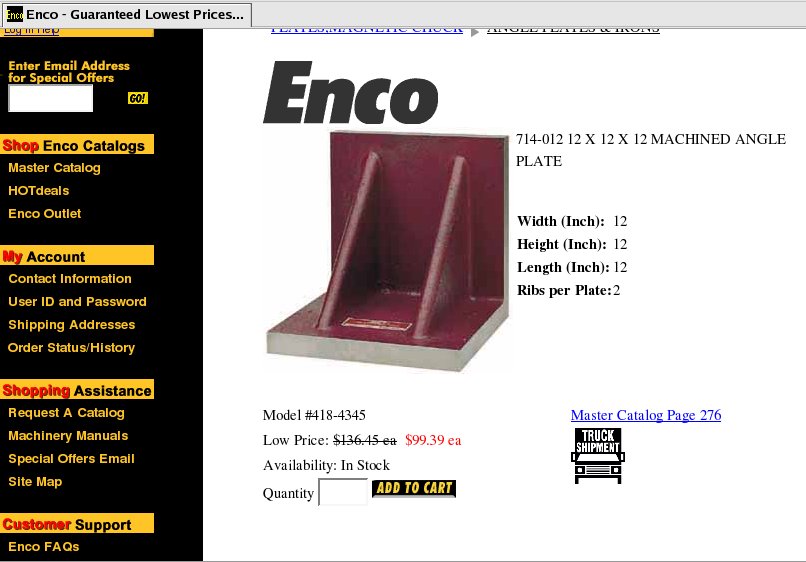
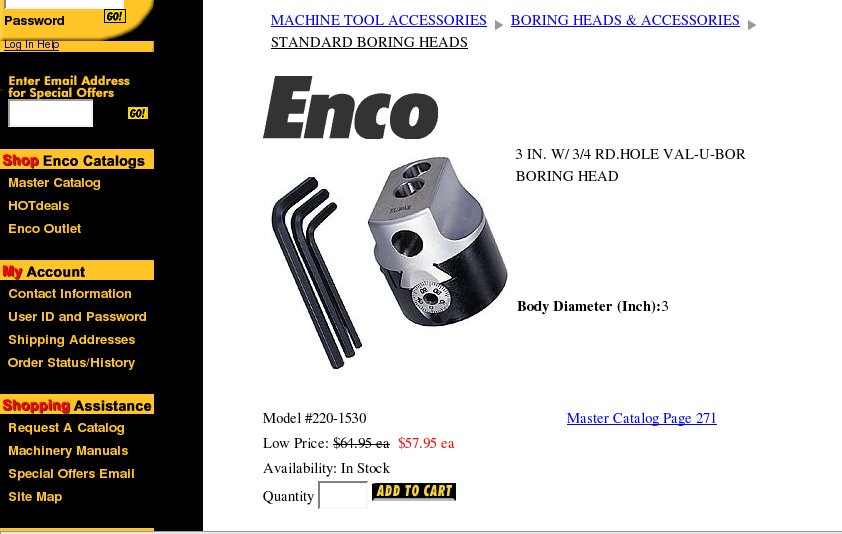
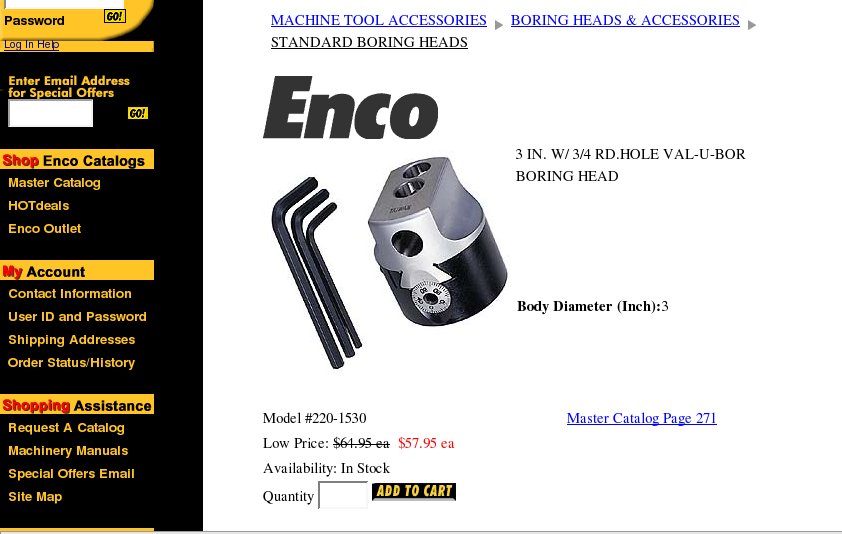
Now before we start you will need two crucial tools for
your mill. A 12 inch square right angle plate and a boring
head. Do you have those or can you borrow them?
Paul Lamar ...No rotor no motor.
The Rotary Engine NewsLetter. Powered by Linux.
ACRE NL web site.
http://www.rotaryeng.net
Copyright 1998-2006 All world wide rights reserved.