Paul, what happened to the little prop dyno that you had mounted on
a trailer? I have been waiting for you to use it, to see what
changes if any you would recommend, before building one for
myself. Could you put Mark's engine on it? BTW, I have no need
for the trailer version. Mine could be solid mounted bolted down to
the shop floor. Jerry
The house project is eating all my spare time.
Extend the bottom legs further up under the engine
to balance it better. You don't need the static thrust
measuring capability as it can be misleading.
Rather than the bathroom scale there are other ways
of measuring the torque. A calibrated garage door
spring is one of them. Use a shock absorber to damp
out any oscillation.
Let me know if you need any advice.
Paul Lamar ...No rotor no motor.
Use a hydraulic cylinder with a gage and calculate the psi
into lbs pull.
Ken
Yes that will work too. Lets see what McMaster Carr has in cheap
cylinders. You can get up to a four inch stroke for the same
$213.
Pressure gages run another $10 to $100 depending on accuracy
and diameter.
Its a bit more money than the spring and a ruler but it
will probably be more practical to read.
Paul Lamar ...No rotor no motor.
For this use I think you could use the cheep Bimba type disposable
air cylinders which will also work with hydraulic fluid.
Ken
Ken
I believe you have a lot of experience with Warp Drive propellers. I am
thinking of making a portable dyno room with a steel square tube frame that
is experimentally 6' high, 6' wide and 8' long. It would be totally
skinned in plywood on the outside for strength, and thin sheet metal on the
inside with fiberglass sound insulation in between with wired safety windows
on both sides. Actually the room splits apart and allows one to pull the
engine mount and frame on wheels on out the back. Imagine the back and
bottom side mounted on a L-shape frame on wheels while the rest of the
'room' remains on four anchor bolted legs and you'll get the idea. Air
intake is through the front duct in front of the prop and exhaust would be
though the back outlets around the peripheral of the engine and firewall.
Obviously the fire wall will need some frame members ( X shape?) to support
it. They should be faired where they enter the air stream. Interior walls
of the chamber would have to be optimized to increase the speed but
The purpose is to size the adjustable outlets to get an airflow of at
least 100 mph through the enclosure. Perhaps I could test cooling duct
design at the same time as I'm running the engine.
Seeing those props on an air boat gave me the idea.
Assume I found a inexpensive way to make a CS electrically driven
Warp drive that is good enough for test purposes only. Would six blades be
enough to absorb the power of a 300+ engine? I heard someone say 50 hp a
blade but their website is not clear to me.
Doug Fir
I like the rad test idea. Makes making the dyno more worth
while. You simultaneously have an unlimited source of heated
water and a significant air flow. If you make a convergent
duct for the prop you could get much more than a 100 MPH
through your cooling tunnel. Very good idea Doug.
Paul Lamar
Paul
I think you meant unlimited source of 'cool' water but then again if you
loop the flow through your floor heating system you can shed a few more BTUs
and heat the building (cockpit) at the same time.
Perhaps a simple cylinder dyno room with the convergent duct and flow
straighter grill is the way to go. How far away from the cowl does the duct
need to be? I am assuming the duct inside is smooth. Perhaps a cardboard
'Sonotube' coated with a fire proofing liquid would be a quick and easy way
to make the middle chamber. 42" or 48" diameter should accommodate all
single engine cowls.
Engine and cowl could still be rolled out of the back, on a stand like yours
if you wish. Of course the prop or fan would have to be connected from the
front.
Here is a stateside tube source.
http://www.valleysupply.cc/SONOTUBES.html
Doug Fir
Cool water is not the problem when testing rads.
Plenty of hot water is.
At 200 net HP out (25% eff.) the engine is generating about
240 HP or 180 KW or 615,000 BTU of hot water if my conversion
and arithmetic are correct in a closed system.
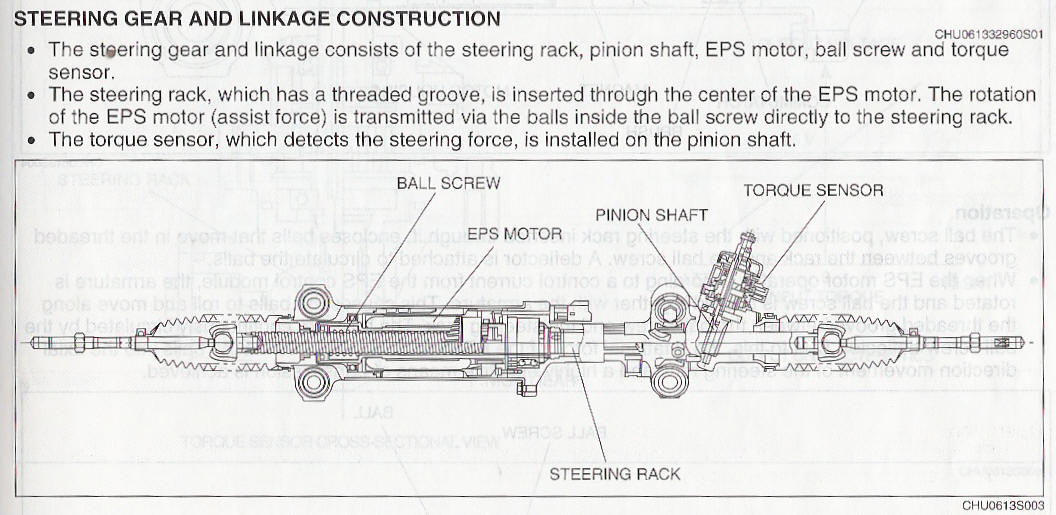
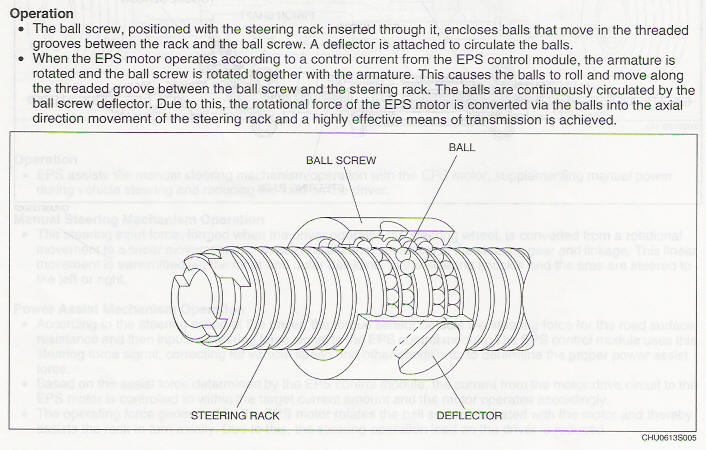
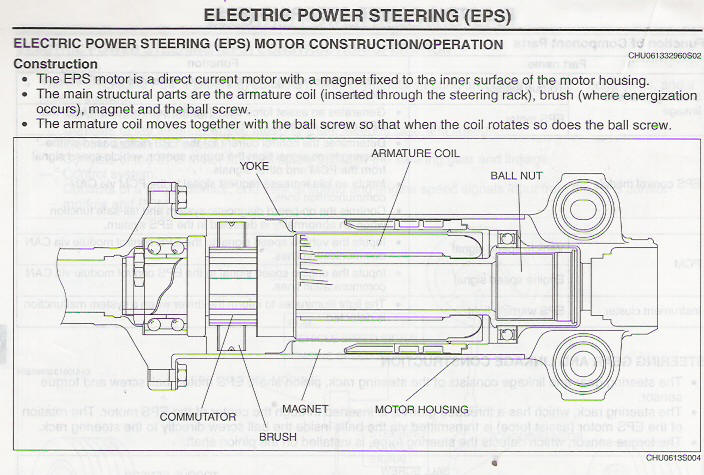
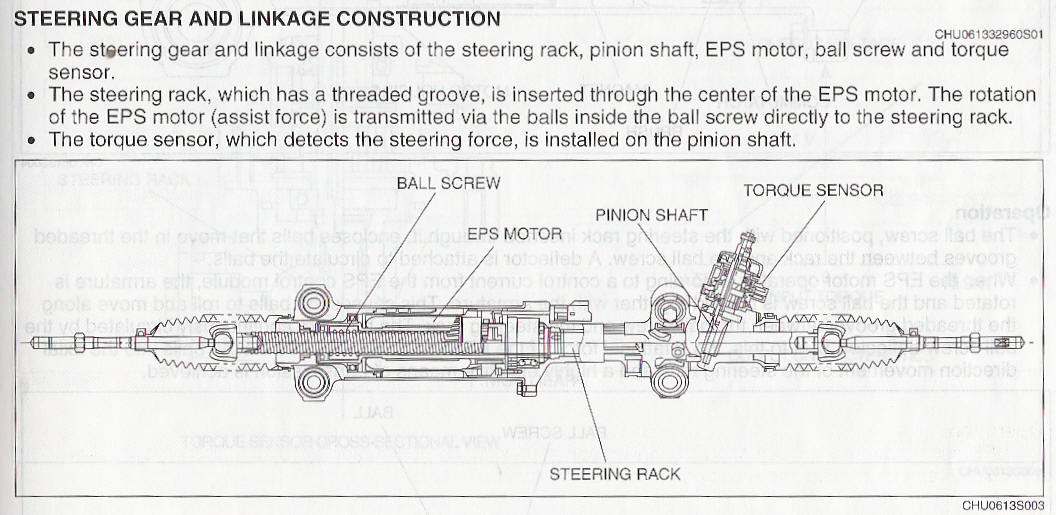
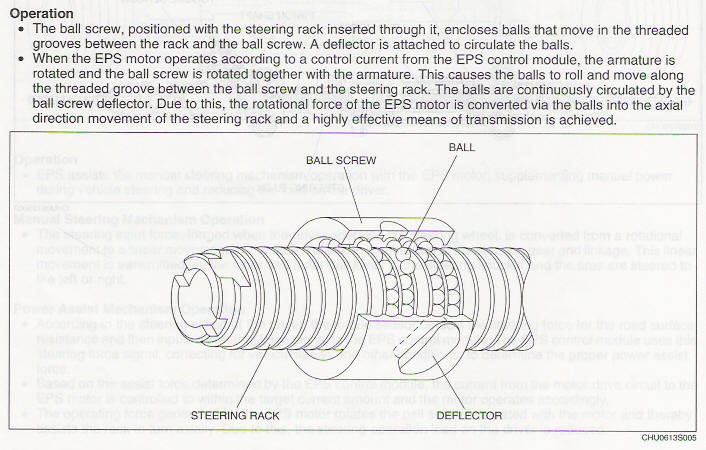
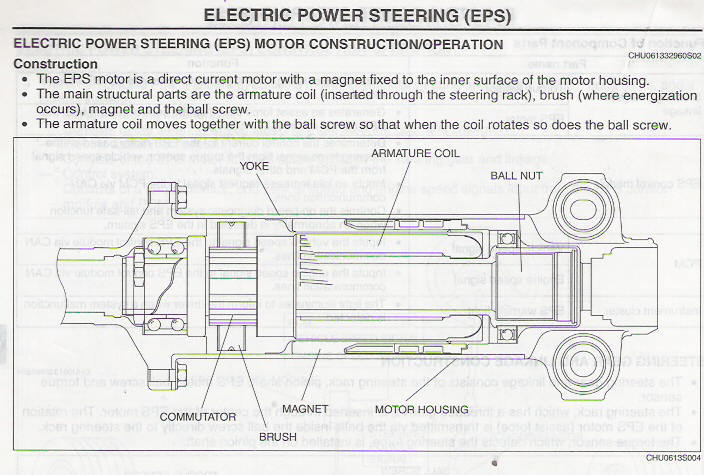
Get yourself an RX8 electric rack and pinion steering gear
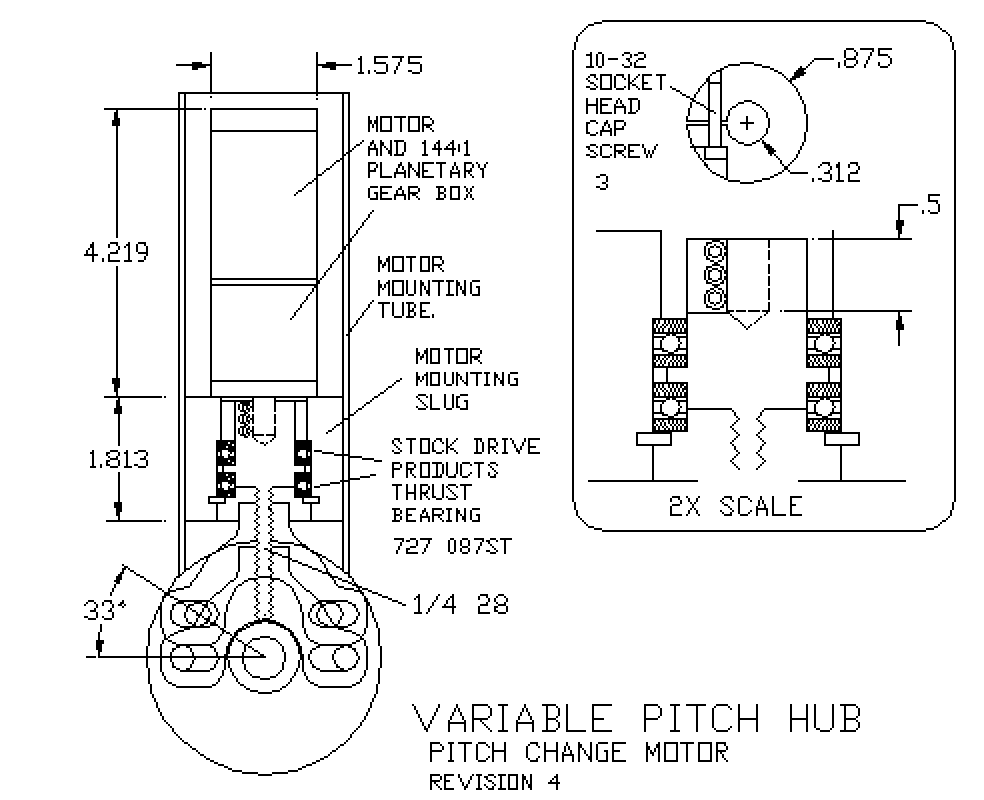
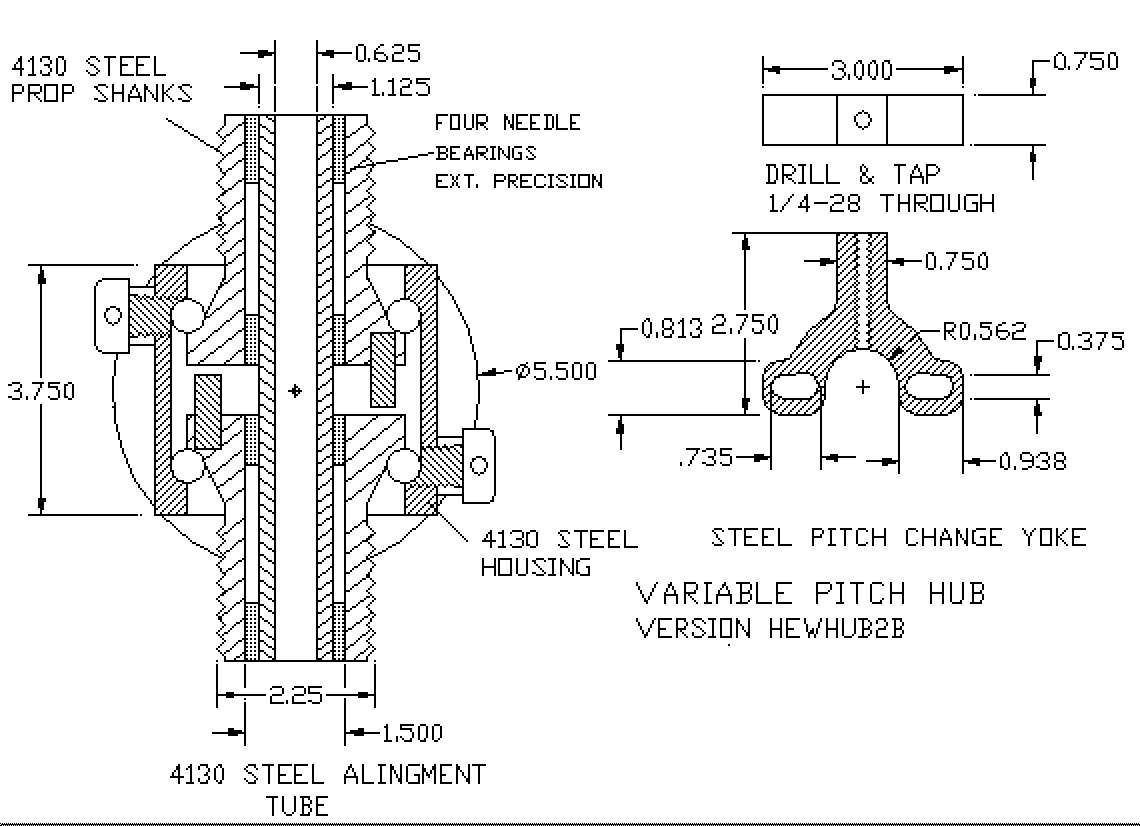
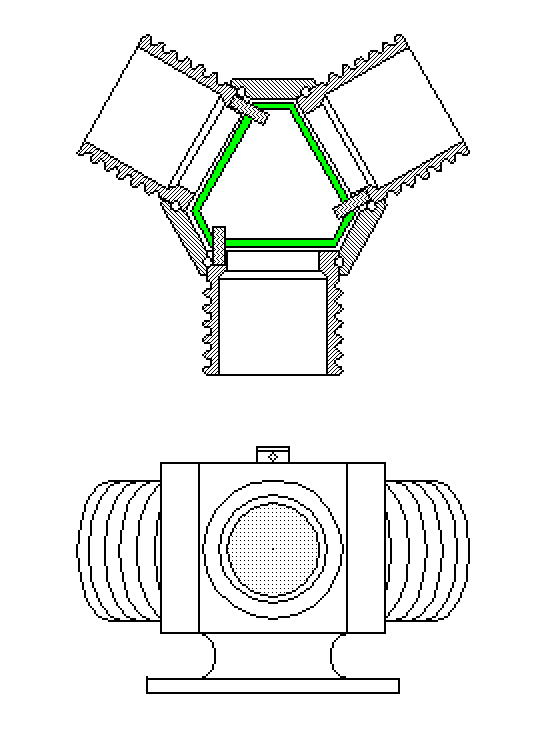
from a crashed car. Makes a great prop pitch change mechanism.
Very fast too. Will change the pitch on six blades no problem.
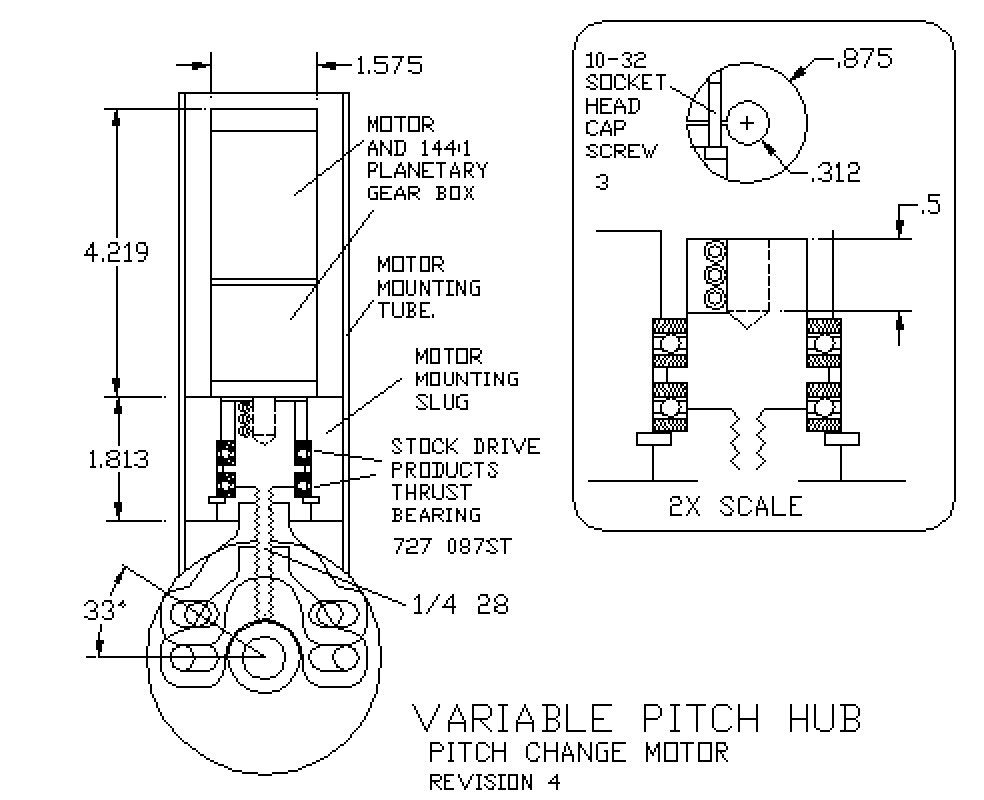
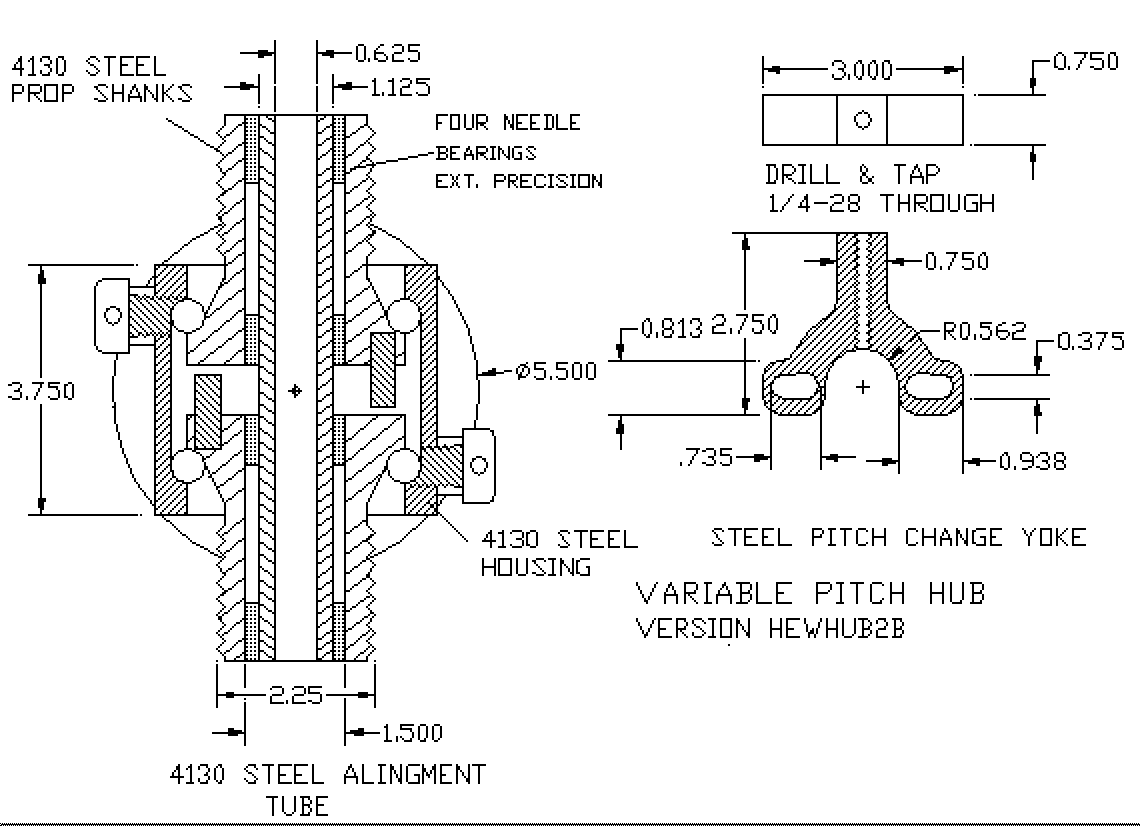
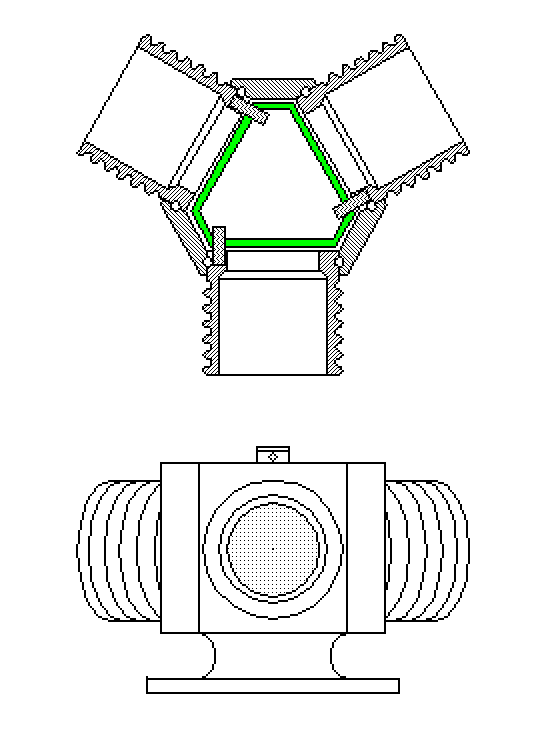
Attach a short section of the rack to a disk with a slot
in its circumference. Pin the disk so it can not rotate.
Paul Lamar ...No rotor no motor.
The Rotary Engine NewsLetter. Powered by Linux.
ACRE NL web site.
http://www.rotaryeng.net
Copyright 1998-2006 All world wide rights reserved.