Mr. Lamar,
I came across your excellent web site this morning while searching for
info on Max Bentele (from Curtiss Wright).
I was thinking about adding stratified charge direct injection to
a peripheral port Mazda 13B engine along with a small turbo to flush the
exhaust gas out before it gets a chance to mix with the incoming air charge.
Various stratified charge Wankels were tested at Curtiss Wright in the 60s.
The main engineer was Max Bentele who, sorrowfully, passed away this
year at the age of 94.
I see you have a positive interest regarding stratified charge
with Wankel engines. Why do you think it was never used on any of the
Wankel engines available commercially ?
If you would be kind enough to send my your phone number, and good time
to call, I would surely appreciate the opportunity to speak with you for
a few minutes on this subject.
Sincerely,
Bruce Toski
Mazda Certifications
Master ASE Certification
Former Auto Vo-Tech instructor
1972 Audi 100LS and 1986 Audi 5000
1974 Mazda REPU (Rotary Engine PickUp truck)
(Former owner of R100, RX-3, RX-2, RX-4, Cosmo, NSU RO80 engine, Sachs
Wankel chainsaw, Sach Motocross prototype motorcycle, Graupner radio
control airplane engine,84 RX-7 SE, Hercules W2000 Wankel motorcycle,
Suzuki RE-5 Wankel motorcycle)
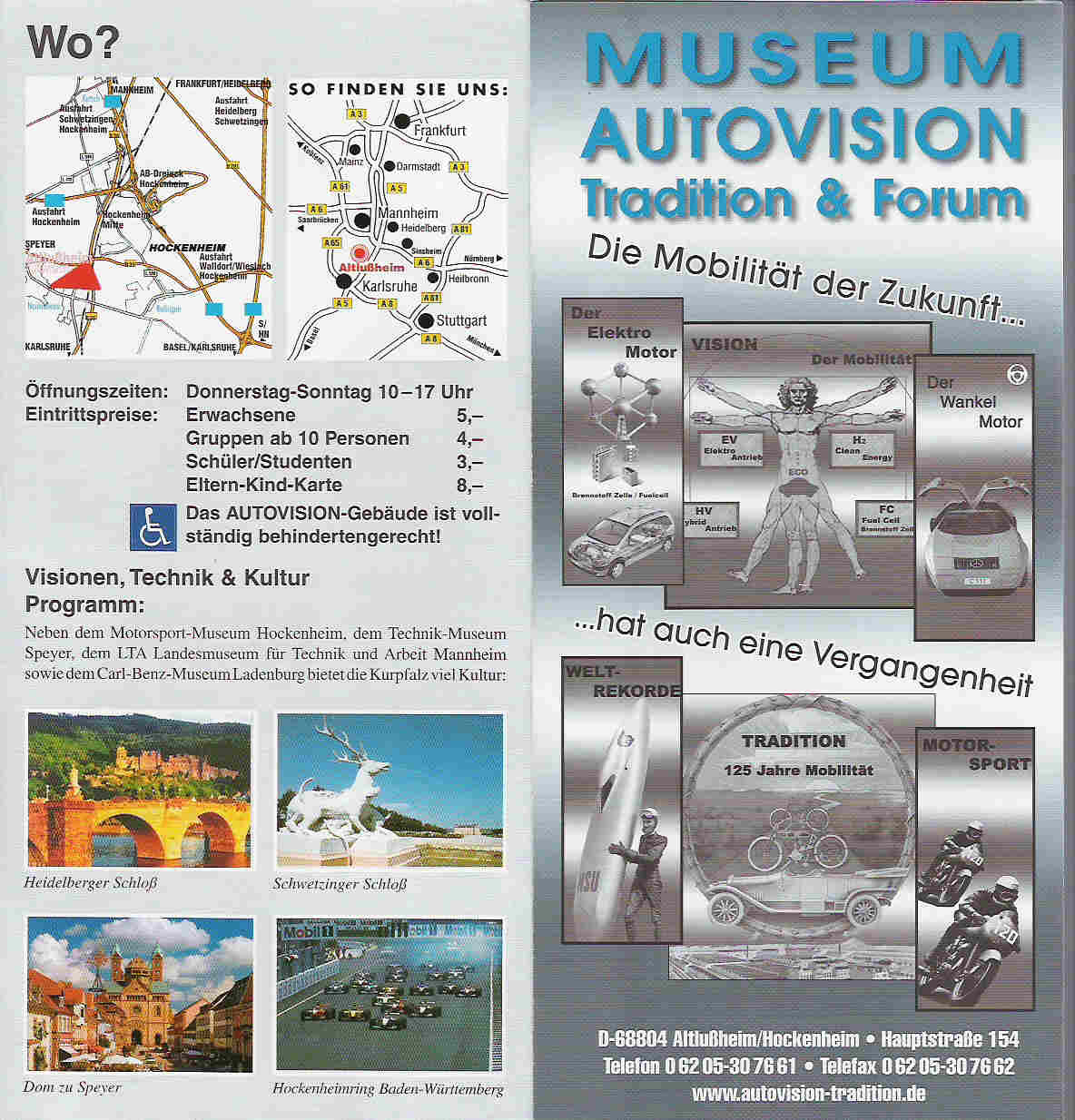
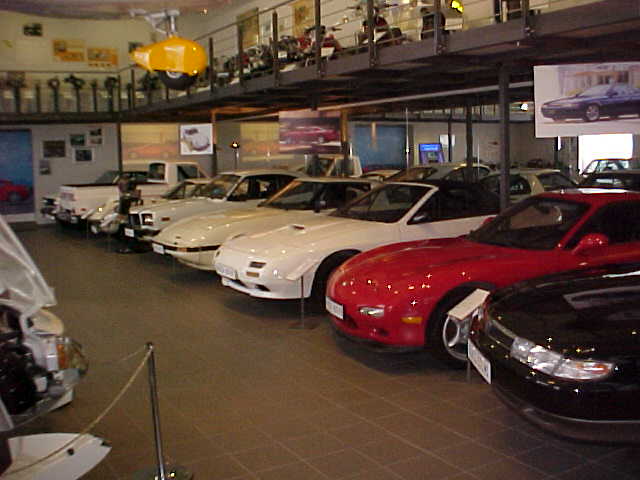
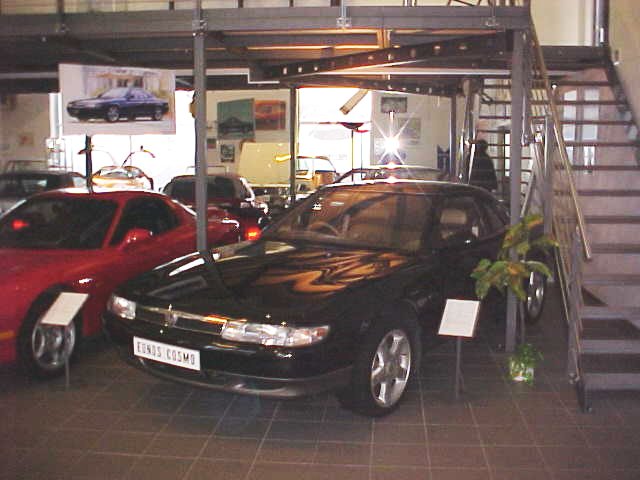
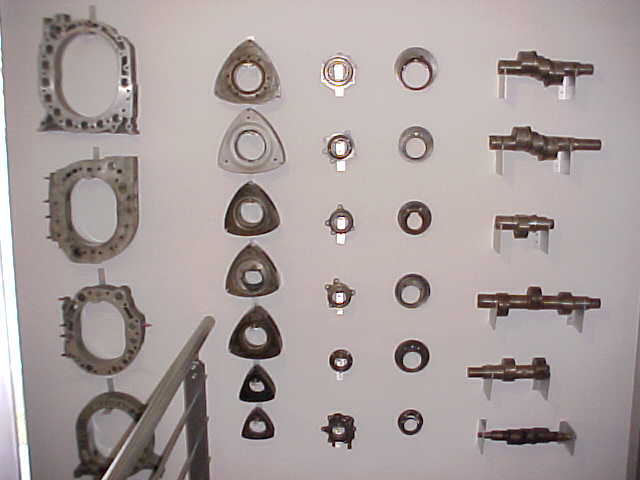
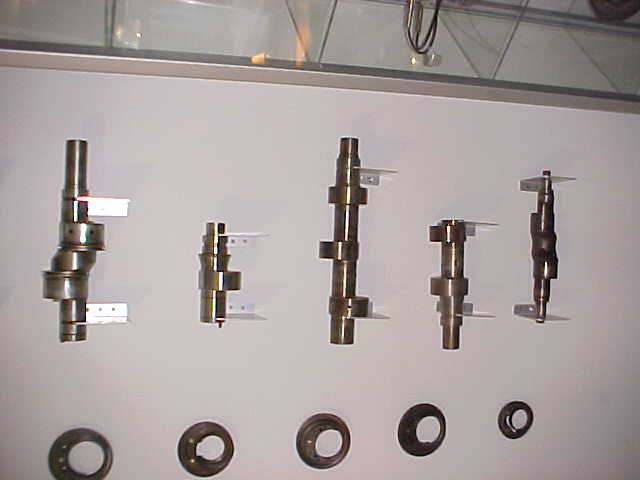
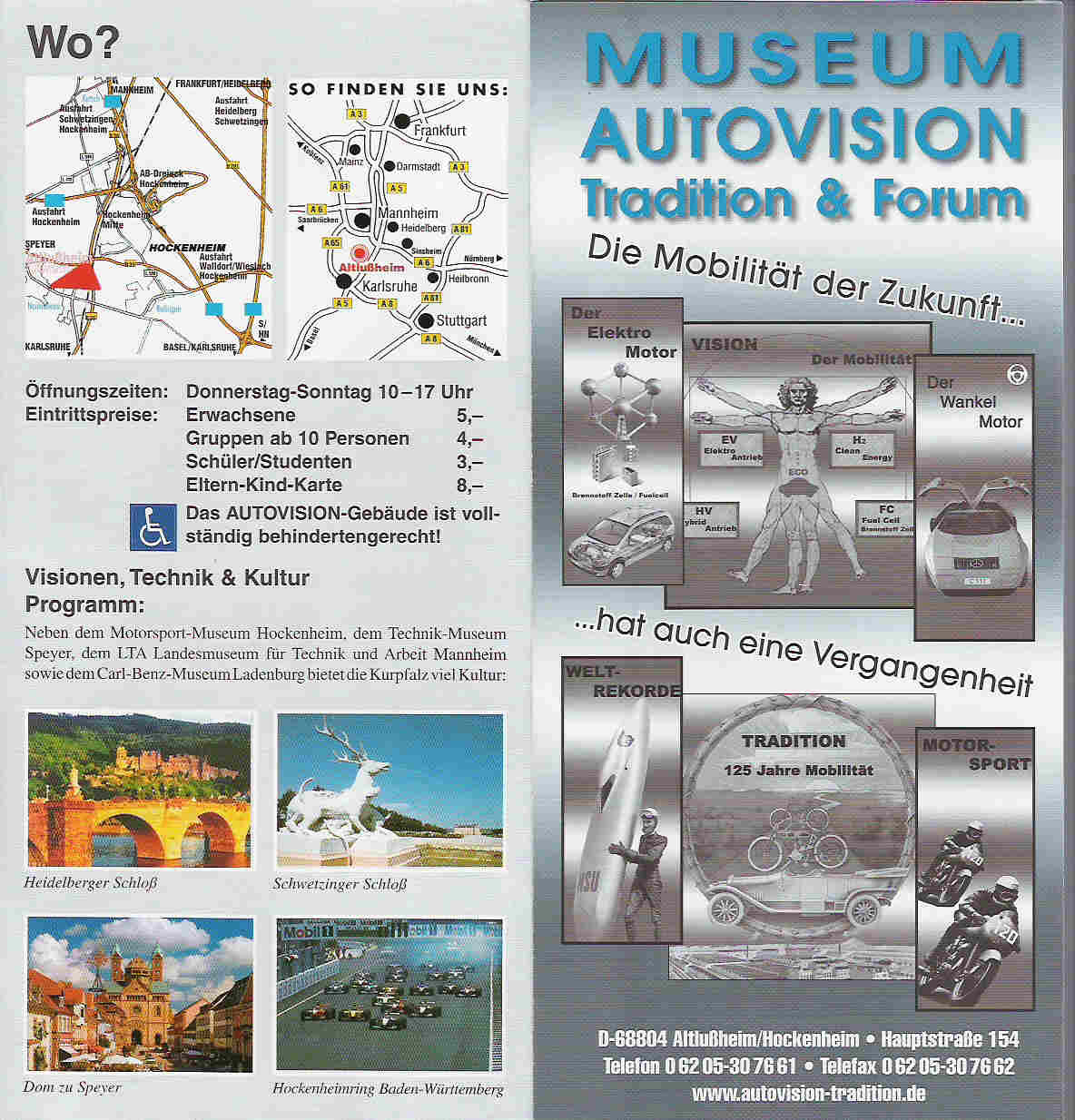
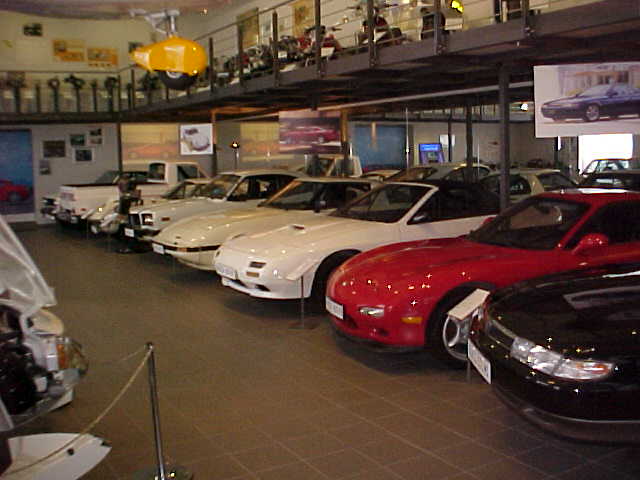
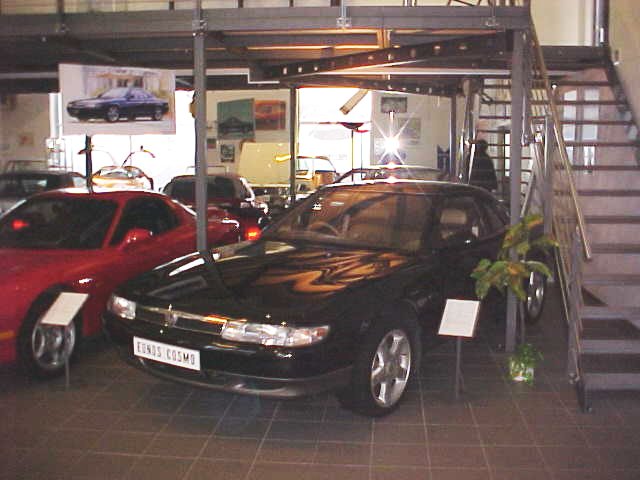
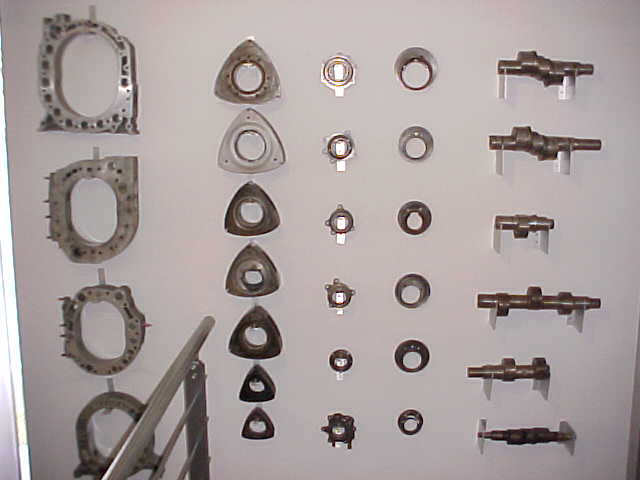
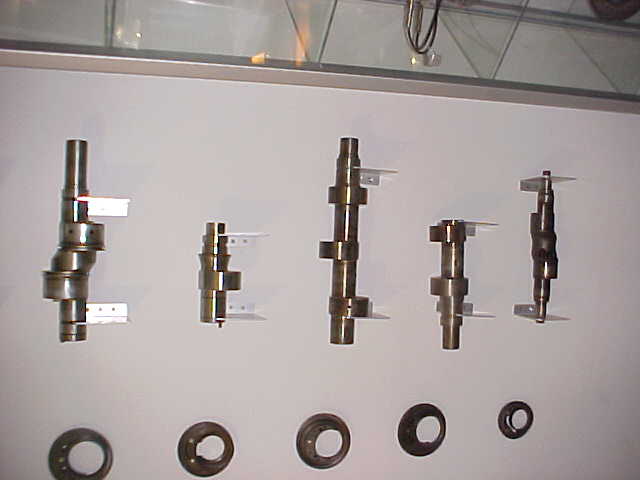
Do you have a museum Bruce? You should have. There is one
like that near Hockenheim Germany.
IMHO it is near impossible to see what is going on in
there in 3D. Tracy Crook thinks the engine is naturally
stratified charged due to the centrifugal effect on the
mixture. The best RPI could do after trying
everything CW, JD and RPI tried was .47 BSFC. About what we
are seeing and Mazda achieved in the Lemans engine.
The best you can do is come up with a new idea and try it.
--
The natural stratified charge that Tracy discovered is
mainly at RPM's over 5000 and power levels in the 50%
to 75% range running the mixture at 18:1 to one or higher
with EGT's up to 200 F lean of peak.
If you succeed in introducing and maintaining
lateral swirl motion with side ports you are going to need
spark plugs out near the edges again due to the centrifugal
effect. My guess six would be better
than three on the center line. Take the spark to where
the rich mixture is.
To expand on this a bit more the main problem is at
low RPM light loads where you have a small fire in a large
poorly shaped container. Too much heat is lost to the container
walls. A wider rotor as in the 16B should help
slightly as a square flat box is better than a rectangular
flat box. The ultimate is two or more different sized engines
combined scaled to fit the power level required.
--
Paul Lamar ...No rotor no motor.
The Rotary Engine NewsLetter. Powered by Linux.
ACRE NL web site.
http://www.rotaryeng.net
Copyright 1998-2006 All world wide rights reserved.