Hi Paul,
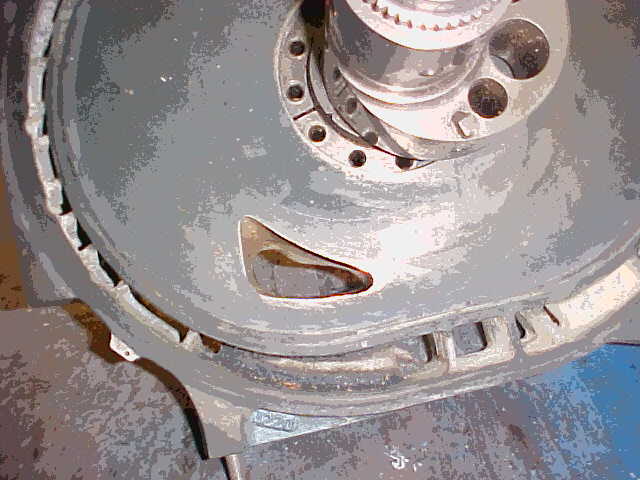
Just to clarify, our aluminum side housings come with a 1/8"
aluminum web at the bottom of a .060" deep side intake port shape (which
is generally necessary to avoid contact between the rotor and side
housings). For peripheral ports, the web should be backed up with
aluminum Devcon filler to support it. For side intake, the web can be
removed.
Jim Mederer
Paul,
I wondered how they got around that?
George ( down under)
Are you talking about "avoid contact between the rotor and side
housings."?
If so, Jim explained that pressure builds up on one side of the
rotor or the other, pushing the rotor towards one or the other
side housings in a p-port engine. It is therefore necessary
to relieve that pressure with residual side ports.
I have not figured out where that pressure comes from so far
so I'll take Jim's word for it for now :)
When you pot the side ports with JB Weld leave a bit of depression.
--
Paul Lamar ...No rotor no motor.
Paul,
I was alluding to how they cast in the side port. One of the most difficult
things to accomplish in a sand cast. Seems they only do half and cut in the
entrance.
On the extra wear on the Housing, it is as a result of flex of the e-shaft
on ignition of the fuel, this pushes the opposite side of the rotor which
has the smaller footprint and bites in, how some pressure relief would help
here is beyond me - HOWEVER it has been stated that leaving the inlet
totally vacant has no effect one way or the other, provided it is sealed-off
of course.
George
A side housing of any kind requires a lot of core boxes
so that is one reason they are so expensive.
A pattern maker needs a lot of experience on how to support
these cores.
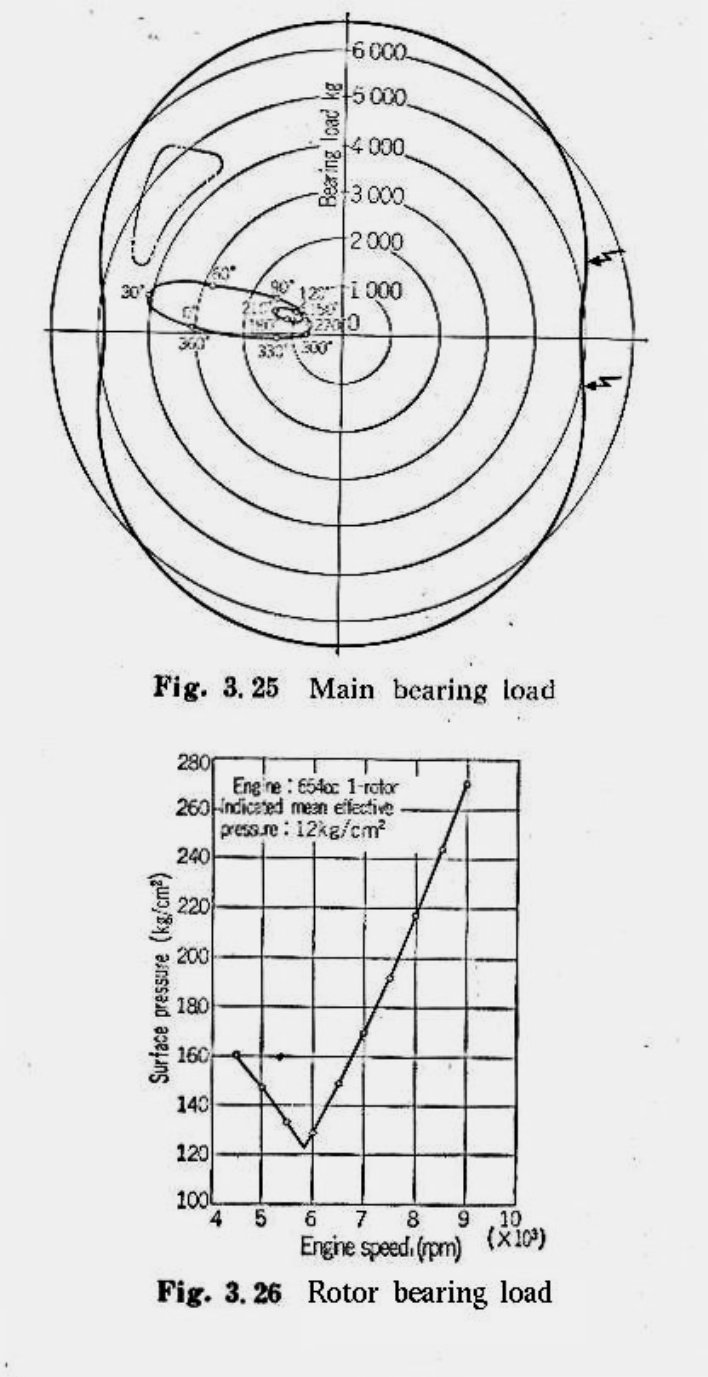
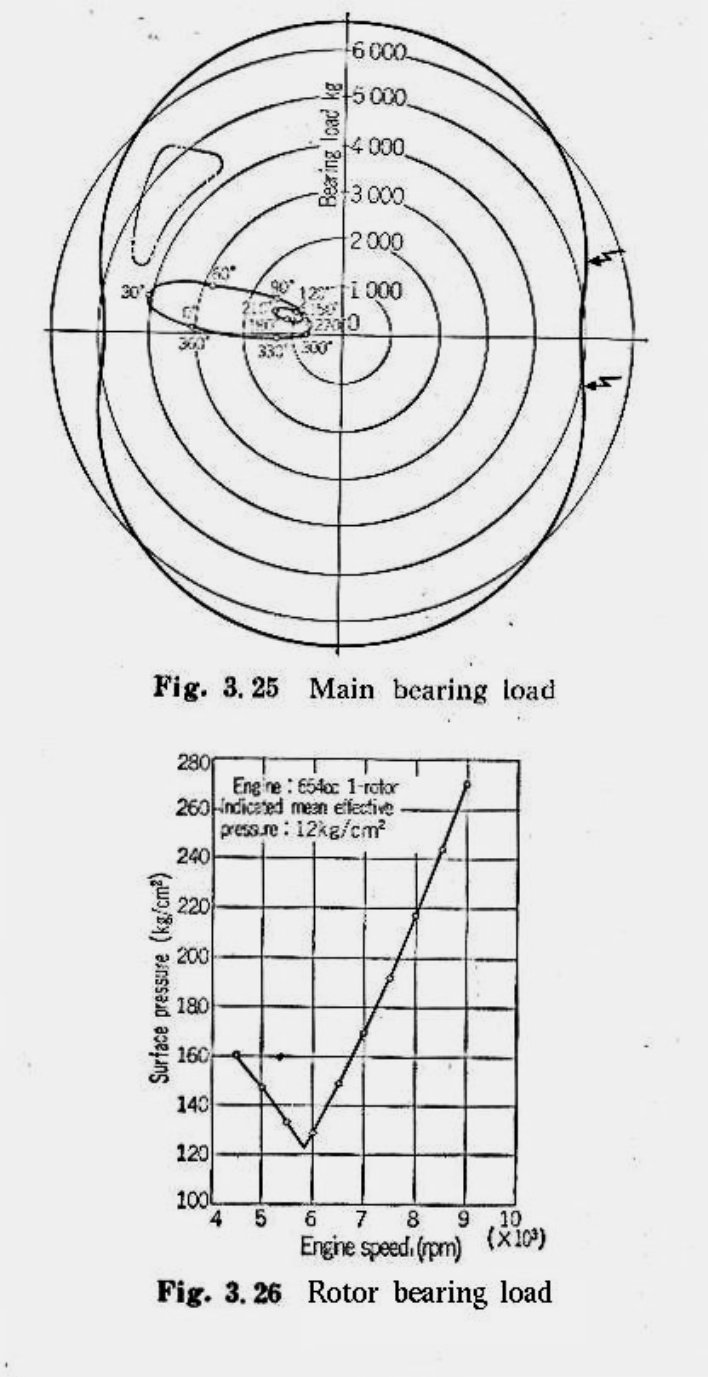
As far as E-shaft flex is concerned you get far far more flex
at high RPM than you get from combustion pressure in a
NA engine. In fact e-shaft flex is a minimum at 6000 RPM and then
starts going back up. E-shaft flex tracks rotor bearing loads.
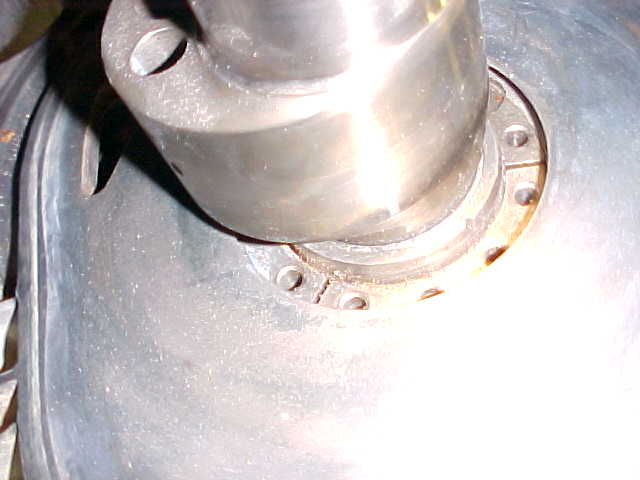
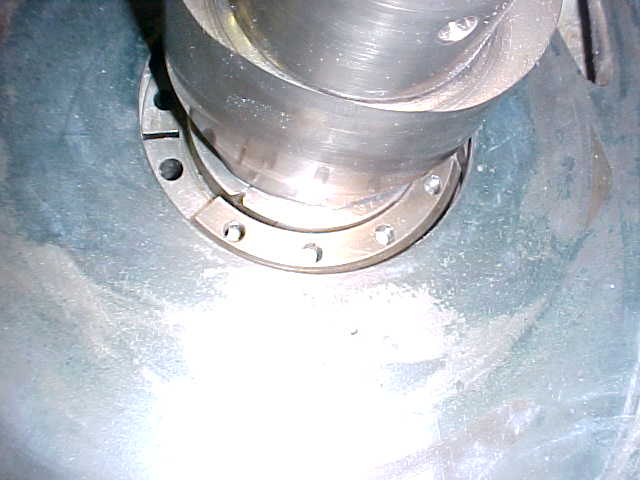
Some racers running their engine over 10,000 RPM add
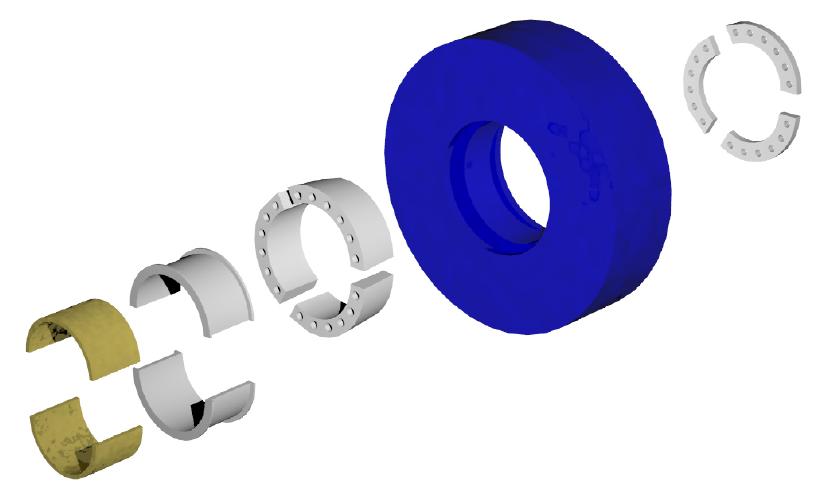
a center main bearing. Here is the way Curtiss Wright did it
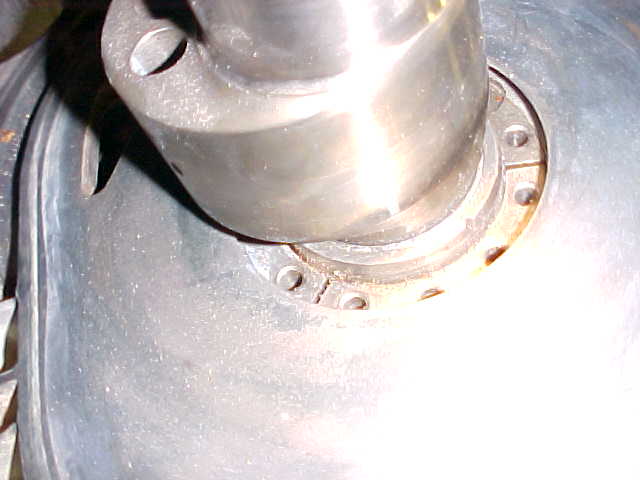
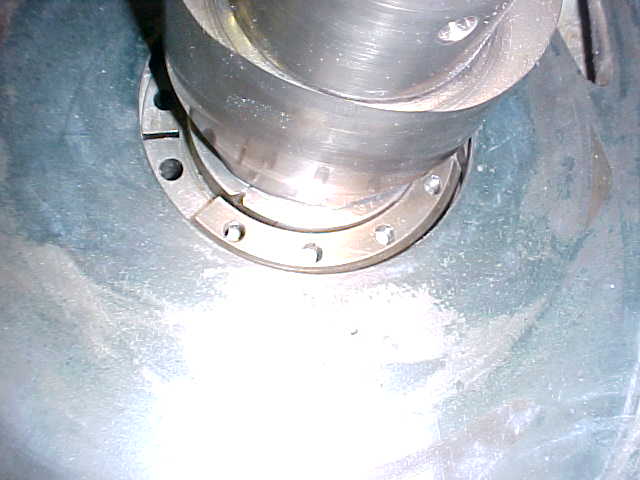
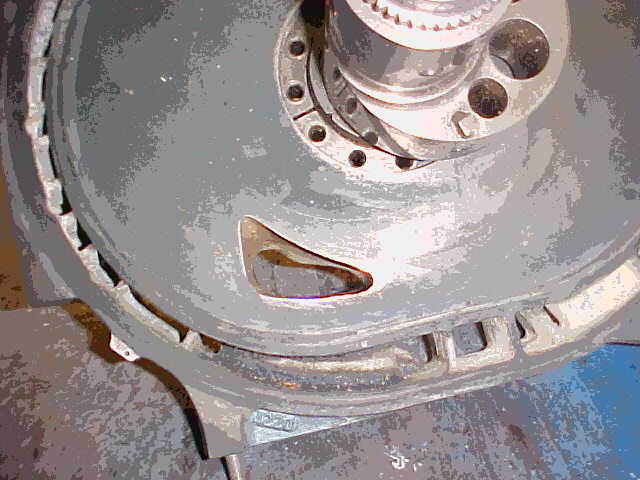
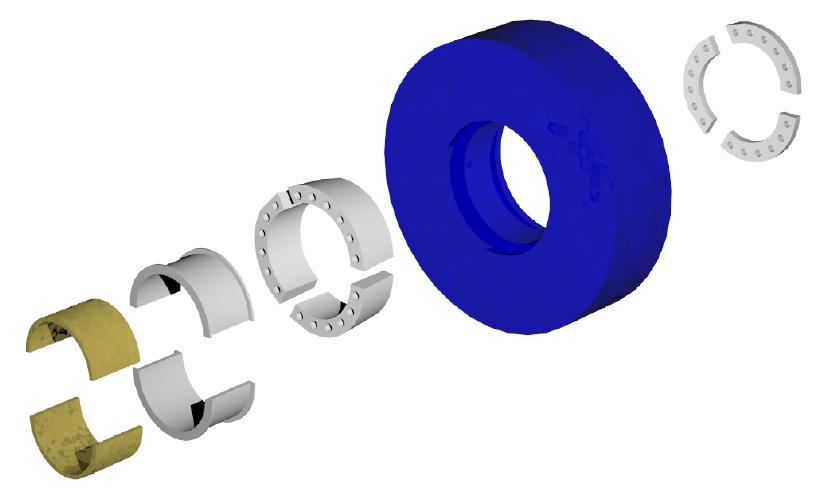
with a one piece e-shaft and a plain journal bearing. Guru
Racing and others use a two piece shaft and a roller bearing.
Paul Lamar ...No rotor no motor.
The Rotary Engine NewsLetter. Powered by Linux.
ACRE NL web site.
http://www.rotaryeng.net
Copyright 1998-2006 All world wide rights reserved.