Hello Paul,
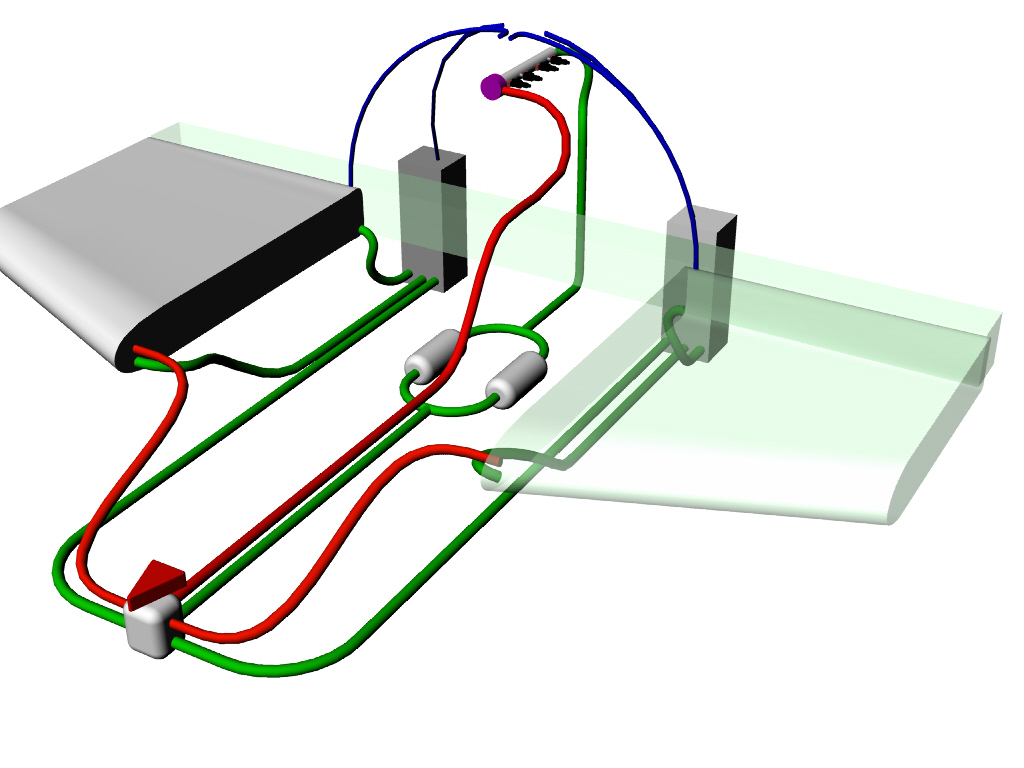
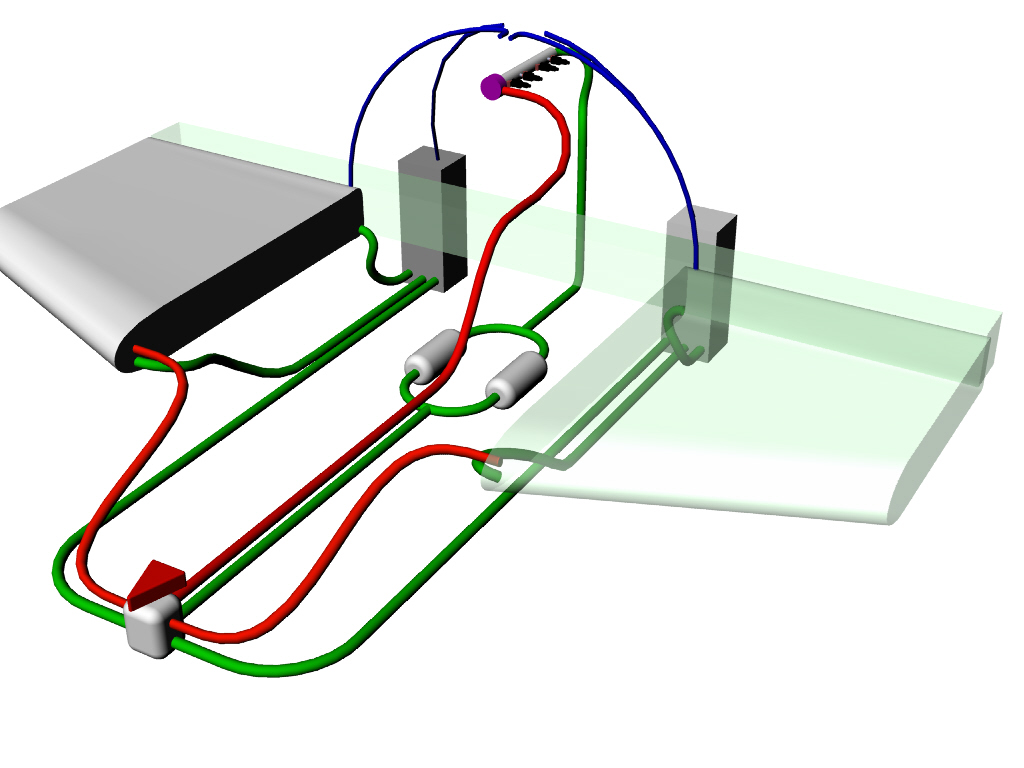
This is what I plan to do as fuel system:
In Canada we must have a gascolator, a valve to cut fuel from each
tank,a filter in front EFI pumps and a primer pump in front of EFI
pumps.
Basically, I draw fuel from the left tank and when fuel is getting
low I
turn the right ball valve on and start the right Facet pump running
from the
right side and filling the left tank. When level is fine I turn off
theright Facet and the right ball valve.
The left Facet is off unless fuel pressure is low, climbing and
landing. If
the right Facett fails when filling the left tank then I would turn
off the
left facet pump if it is on and the left ball valve to make sure
the fuel is
pulled from the right tank.
Can you see problems with this system?
Thanks Paul,
JP
It is too hard to manage fuel using this system. Too prone
to pilot error.
You are returning fuel to only one tank. The left side.
If you withdraw fuel from just the right tank you will
rapidly run out of fuel in that tank or pump fuel overboard
through the left tank vent line. As much as 80% of the fuel
is returned in some circumstances.
You need a TWO level valve that switches both the feed
AND the return lines so fuel is always returned to the
tank it is drawn from.
Don't nickel and dime the fuel system plumbing. Spend some money
and get the right two level valve.
If you have a pusher system you need one or two properly designed
sump tanks as well.
Engines stop for two main reasons. Lack of fuel and lack
of spark. Don't get creative with the fuel plumbing.
Use what is proven to work.
BTW please don't send doc files. Screen capture them and send
them as jpg's.
Paul Lamar ...No rotor no motor.
In the last drawing (Twin-fuel-sumps-bak-spar2.jpg), why not just use a
single header/sump tank fed from both wing tanks? A simple
(R-L-BOTH-OFF) valve selector could be used in BOTH during normal
operations, or turned to either LEFT or RIGHT tank for equalization or
timed fuel burn. The fuel rail returns to the header tank.
High-quality one-way valves would prevent backflow from the header into
a tank not in use.
Unless heat buildup is an issue, wouldn't this be simpler and more
fail-safe?
Scott Gettings
Yes if done right. That 3D is for your typical mid wing pusher.
Fuel systems are 3D problems. Header tanks themselves can be dangerous
if they are the wrong shape or the venting and other plumbing is
done incorrectly. In many cases air pressures are the culprits.
One needs to know what the air pressure are in each tank. Usually
the air pressures are very low. A 0.1 psi pressure can generate
a force on the fuel in a 20" by 20" tank of forty pounds.
At 150 MPH the dynamic pressure on a forward facing vent is
0.4 pounds per square inch. Then there is the heat issue you
mentioned.
On your high wing airplane you have a lot of room for a low mounted
header tank that would gravity feed through a selector valve.
However best to keep it as simple as possible.
Less potential for leaks.
When designing fuel system it is best to do 3 view drawing
or use a 3D drawing program. Exact configuration is everything.
Paul Lamar ...No rotor no motor.
The Rotary Engine NewsLetter. Powered by Linux.
ACRE NL web site.
http://www.rotaryeng.net
Copyright 1998-2006 All world wide rights reserved.