I recently bought a RV-8A project that has a mounted PS-215 13B with a
PSRV-300 reduction drive and complete firewall forward
equipment (radiator, alternator, starter, ceramic coated exhaust with
ducting, oil cooler, custom molded cowl, engine mount, 2 ECUs, etc.).
It was all purchased new several years ago from Powersport Aviation,
Inc. and has not been run (all zero time).
Initially, I was enthused with the possibility of having something
better than what you refer to as a reciprosaur but after researching
and reading your newsletters, I have come to the conclusion that I do
not have the necessary knowledge to get this engine running and then
maintain it in the way it should be to safely fly with it. There is no
one locally to help me with it, so I am thinking that I need to change
it out for a conventional aircraft engine; however, before I make a
decision I need an opinion regarding its marketability and ball park
value and believe you may be the most knowledgeable source for that
information. If you can help me with this I would greatly appreciate it.
Thanks,
C. C. Chamberlain
536 Applejack Dr.
Shreveport, LA 71115
318 797-3230 Hm
465-2346 cell
Well the best thing we can do is put it up for sale
and see what kind of offers you get. That is fine set
of equipment assuming the engine has been properly
protected.
Start by taking digital pictures of everything and send them to us.
If you want to proceed assembling it you can get the finest help
available for doing it on here. It is not that complicated
or that hard.
-
Paul Lamar ...No rotor no motor.
How close is it to being ready to run? It sounds like you have all of
the parts you need. Unless you need to take it apart, there's no
special knowledge -- everything bolts on.
When the time comes that you DO need to get into it, you have several
options. An overhaul is significantly more simple than any other engine
you could put on. If you are competent to build an airplane, working on
the 13B is child's play. To quote Patton the Elder, "Take no counsel of
your fears." You're worrying about the unknown, but come on in, the
water's fine!
Aside from simplicity (and the fact that you seem to already have what
you need), you eliminate a lot of vibration, meaning it's more fun to
fly. You'll also be the center of attention at a lot of the places
you'll go. Your plane will sound different, and people will want to see
your engine.
The big issue, though is GETTING HOME. Go to the NTSB database and do
searches on words like "broken," "fractured," "seized," "scored,"
"bent," "crankshaft," "piston," "connecting rod," "camshaft," "lifter,"
"valve" . . .there are over 4200 reports of incidents involving these
things since 1975, when people started putting Mazda engines into
homebuilts. Many were fatal. Look how many involved "off-airport
arrivals" were caused by those failures. I've been to Louisiana, and I
can't think of too many places that I'd want to put an airplane that I
was in -- or someone else. Nearly all of those places have numbers at
each end.
It is a personal goal never to have a Civil Air Patrol ground team
switch off my ELT. If you share that goal, it's a lot more attainable
with the engine you already have than any engine you'd go buy.
There are EIGHT reports with the word "Mazda" in them, and one of those
is of a Mazda CAR which was hit by a plane which fell out of the sky
following catastrophic engine failure (of a Lycoming)! NONE of them are
related to any flaw in the engine design or quality of materials (a
couple are from things guys did to the engine to screw them up).
Keith
Most of Mazda engine aircraft crashes are due to bad
plumbing; fuel, water and exhaust.
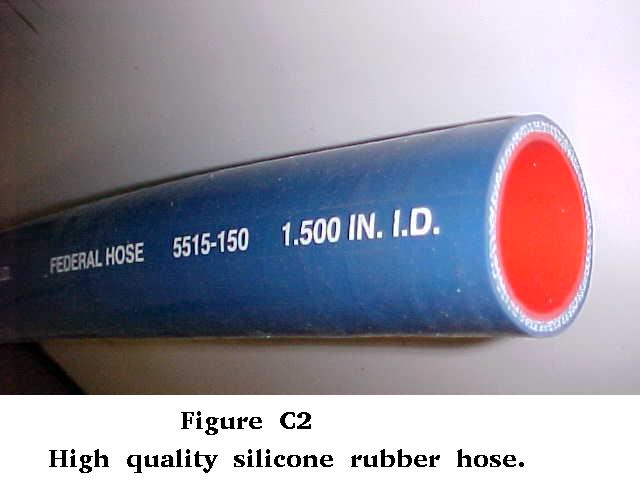
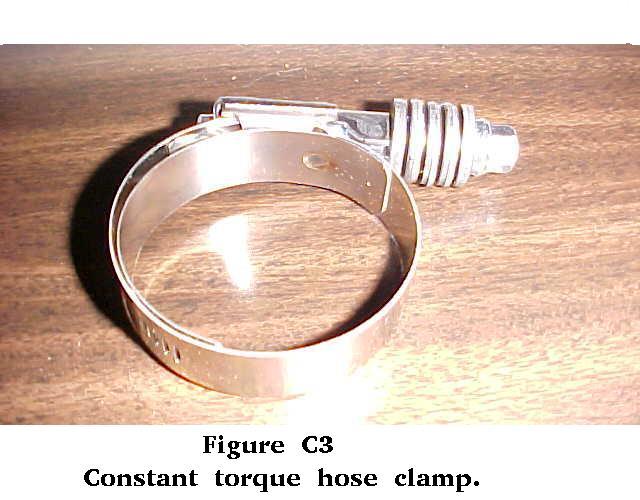
People still insist on using cheap hose clamps and cheap
black rubber hose. If they did it this way many crashes could have
been prevented.
http://www.rotaryeng.net/cooling.html
"An engineer working for Cummins Engines contacted me at OSH and told
me about a study Cummins did on the reliability of Cummins engines in
over the road tractor trailer type trucks. Cummins found that the most
unreliable engine system was the cooling system. It was the cooling
hose and hose connections. They found that the ordinary black rubber
hose actually was eroding from the inside due to differences in
electrical potential and hardening over time due to heat cycling.
The solution was change the hose material used to silicone and use
constant torque hose clamps designed for soft silicone rubber hose.
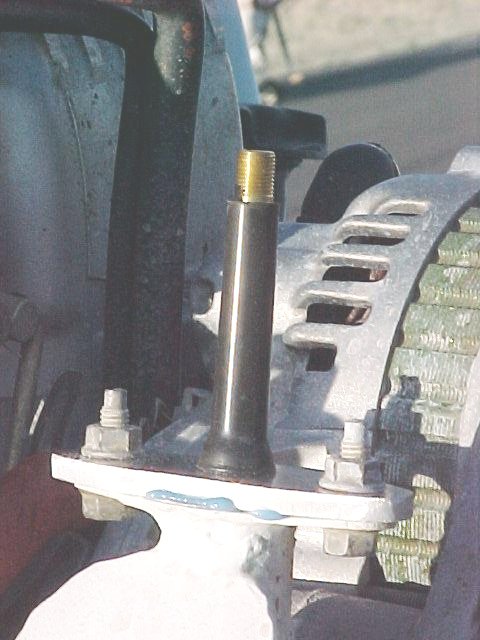
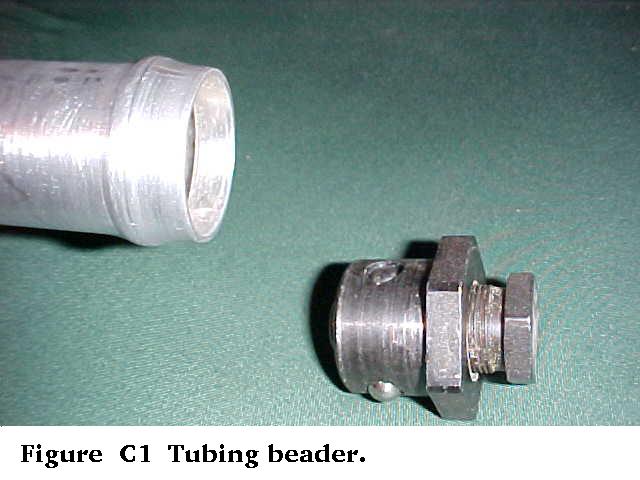
Constant torque hose clamps keep a constant pressure on the hose as
the aluminum hose barbs expand and contract underneath it. They also
have a stainless steel liner that protects the soft silicon hose from
destruction by the slots in the hose clamps. Automotive black hose
and fifty cent hose clamps are not going to cut it. In fact this is
so important and so critical it would be wise to use two hose clamps
per connection. Several rotary powered airplanes have crashed
destroying years of work and untold amounts of money because
the builders ignored these very very important details and saved
a few dollars on the plumbing."
Also preflite your cooling system using a tire pump to
pump it up to 30 psi and watch for a pressure drop on the
coolant pressure gage on your instrument panel.
Paul Lamar ...No rotor no motor.
The Rotary Engine NewsLetter. Powered by Linux.
ACRE NL web site.
http://www.rotaryeng.net
Copyright 1998-2006 All world wide rights reserved.